When you think of Vienna, you think of music.
Of the Vienna State Opera. Of the Musikverein. Of the Vienna Philharmonic. Of a city whose name has been inseparable from sound, culture and great concerts for centuries.
We admire conductors. Soloists. Musicians.
Yet hardly anyone thinks of those people whose work begins long before the first note. People who never stand in the spotlight — and whose signature is nevertheless audible in every concert.
Meeting Florian Köck
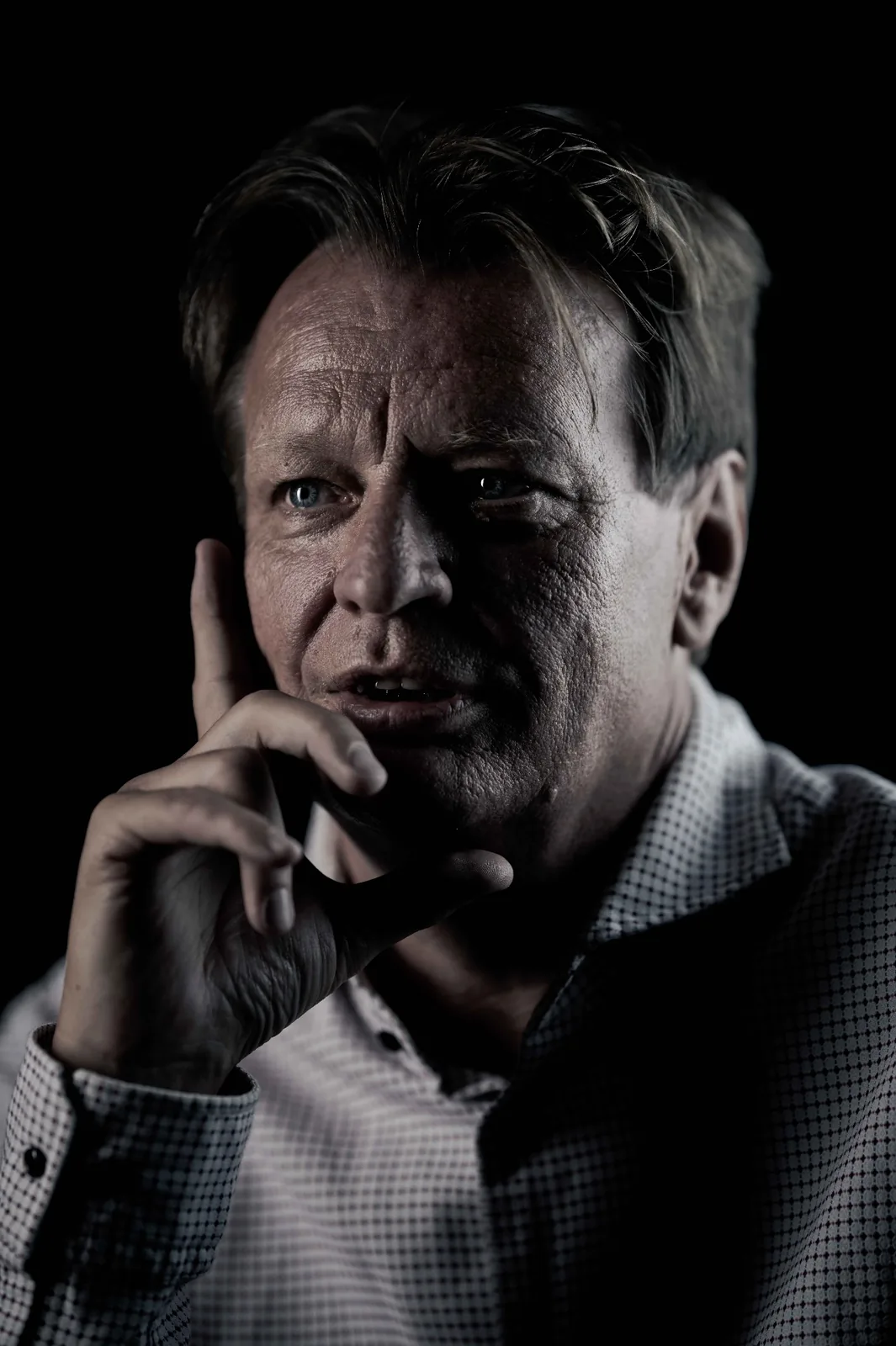
When I visited Florian Köck in his workshop, I expected an instrument maker. I met a musician. And a person who has not given up his passion — but rather given it a new direction.
Florian played clarinet and saxophone from an early age. Music was always part of his life. He completed his Matura at the BORG for Music and Art in Vienna, played in orchestras and ensembles, and later served as tenor saxophonist with the Gardemusik Wien.
He knows the stage. He knows the feeling when an instrument suddenly disappears and only music remains.
And precisely for this reason he eventually became interested in something the audience never sees. Why does an instrument actually sound the way it sounds?
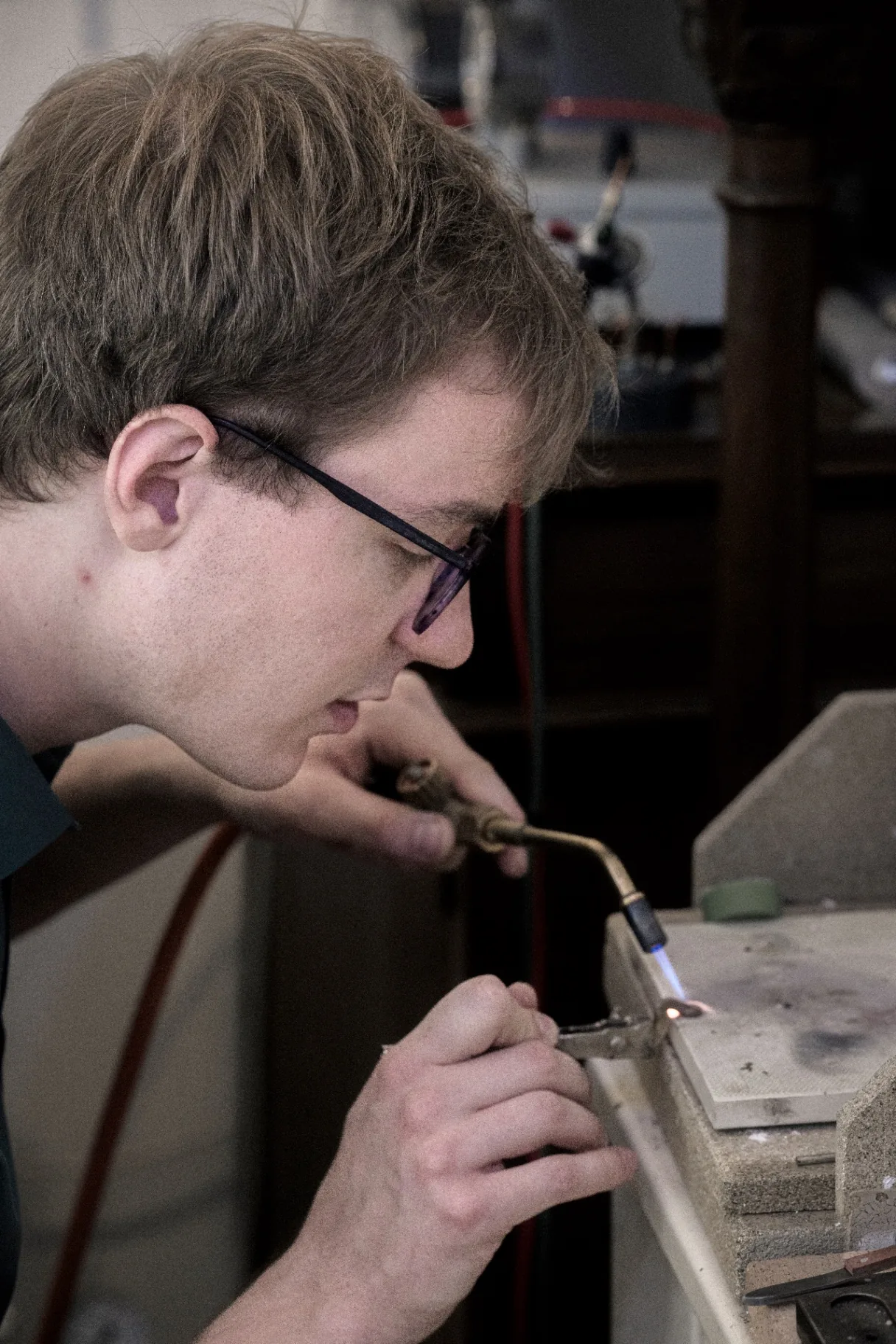
From curiosity to vocation
This question would not let Florian go. Curiosity became passion. Passion became vocation.
His training first led him to Maxton GmbH in Vienna. He then worked with Johanna Kronthaler in Karlsruhe. The renowned Master School for Musical Instrument Making in Ludwigsburg followed. With a self-developed master clarinet he completed his master examination successfully.
But for Florian the master title was never the actual goal. It was merely another step.
Further stations took him to specialised oboe workshops as well as to numerous master workshops across Europe.
Today Florian runs his own master workshop in Vienna. His focus lies on clarinets and oboes. Above all, however, on giving musicians back instruments they can fully trust again.
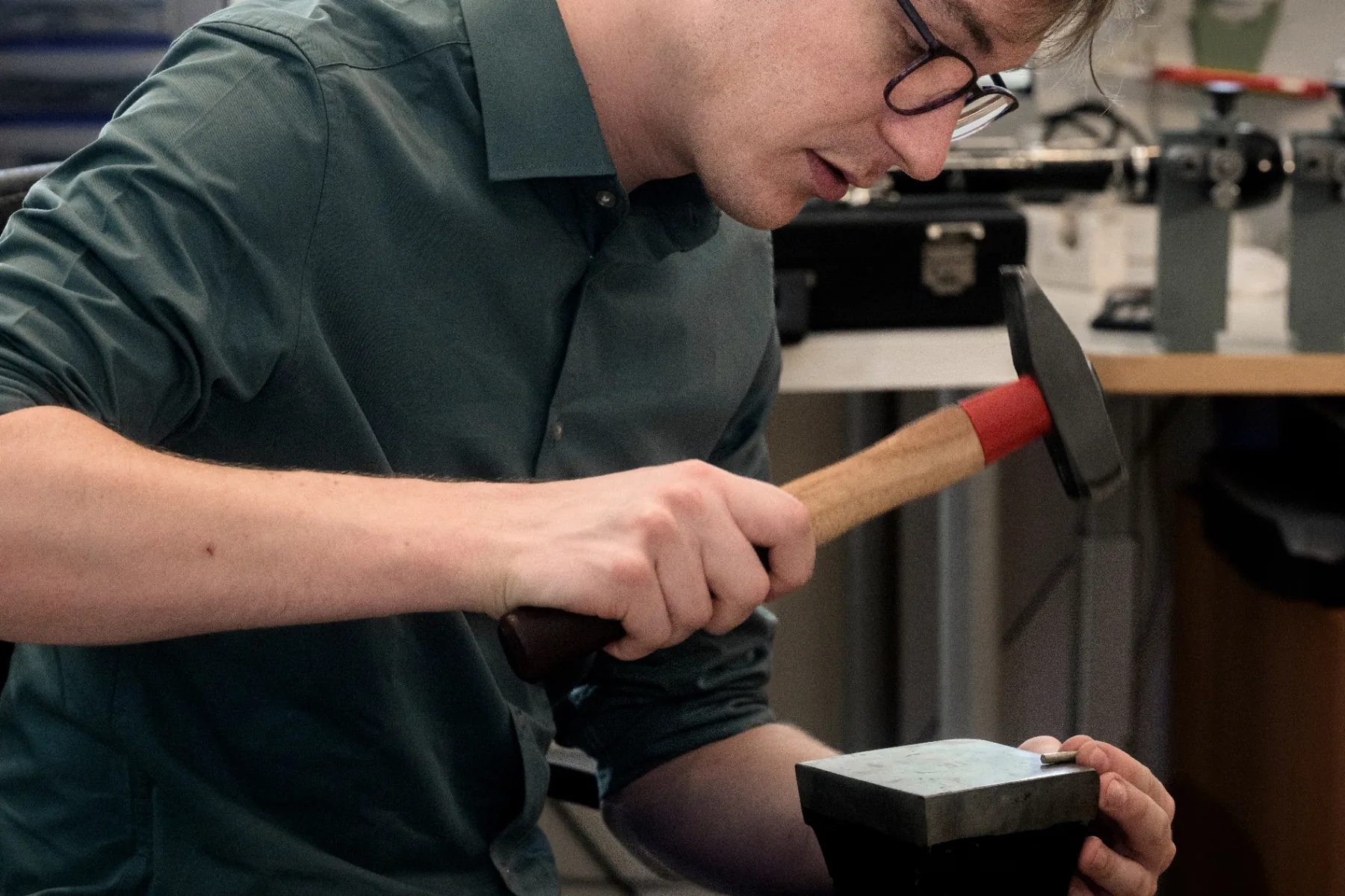
“Passion is not born from talent. It is born from thousands of hours.”
More than craftsmanship
There was a lot of laughter during our shoot. Florian spoke about instruments, about musicians and about his profession with an enthusiasm that was immediately contagious. Nothing seemed rehearsed. Nothing put on. It quickly became clear that this is someone who has not simply taken up a profession — but found a vocation.
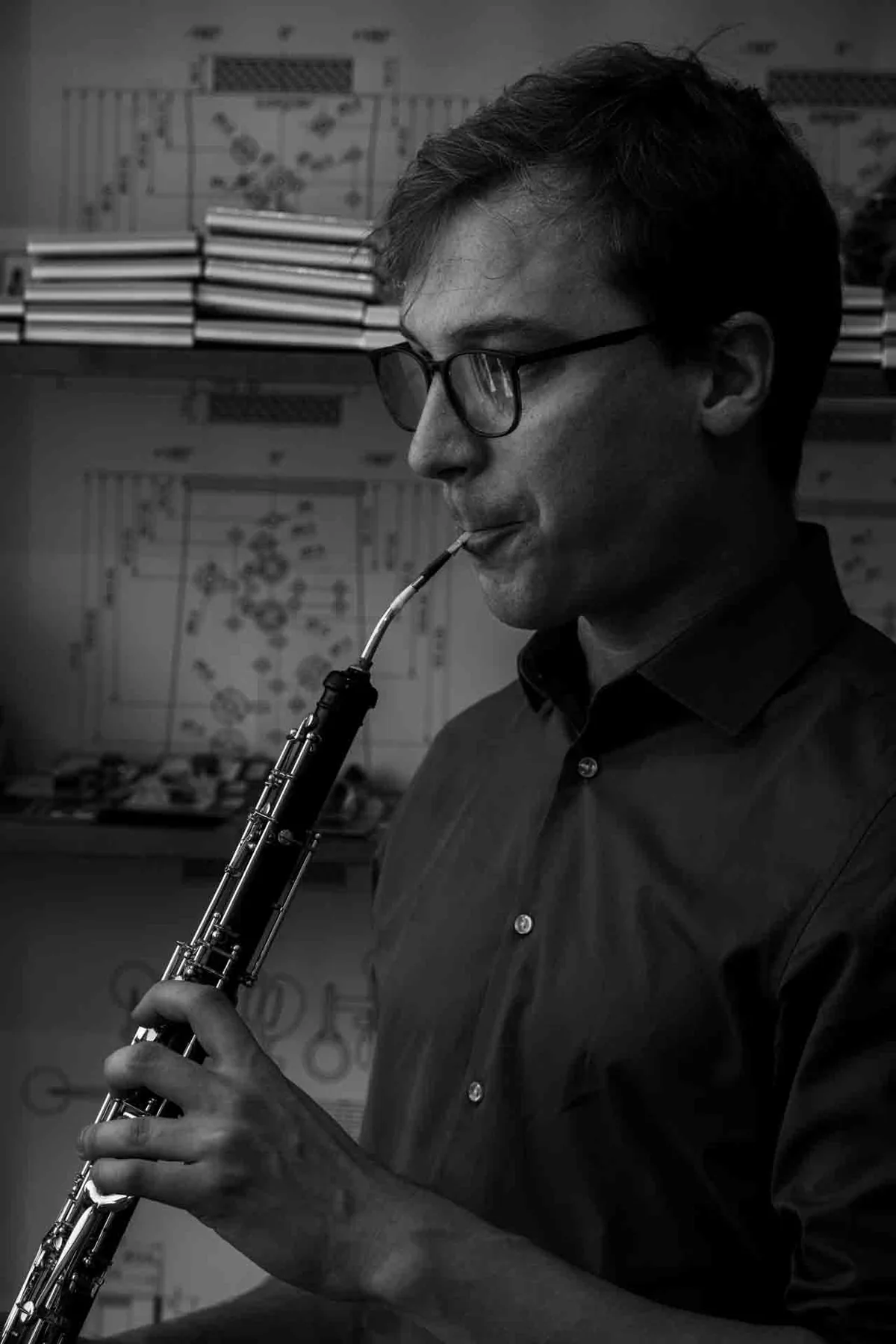
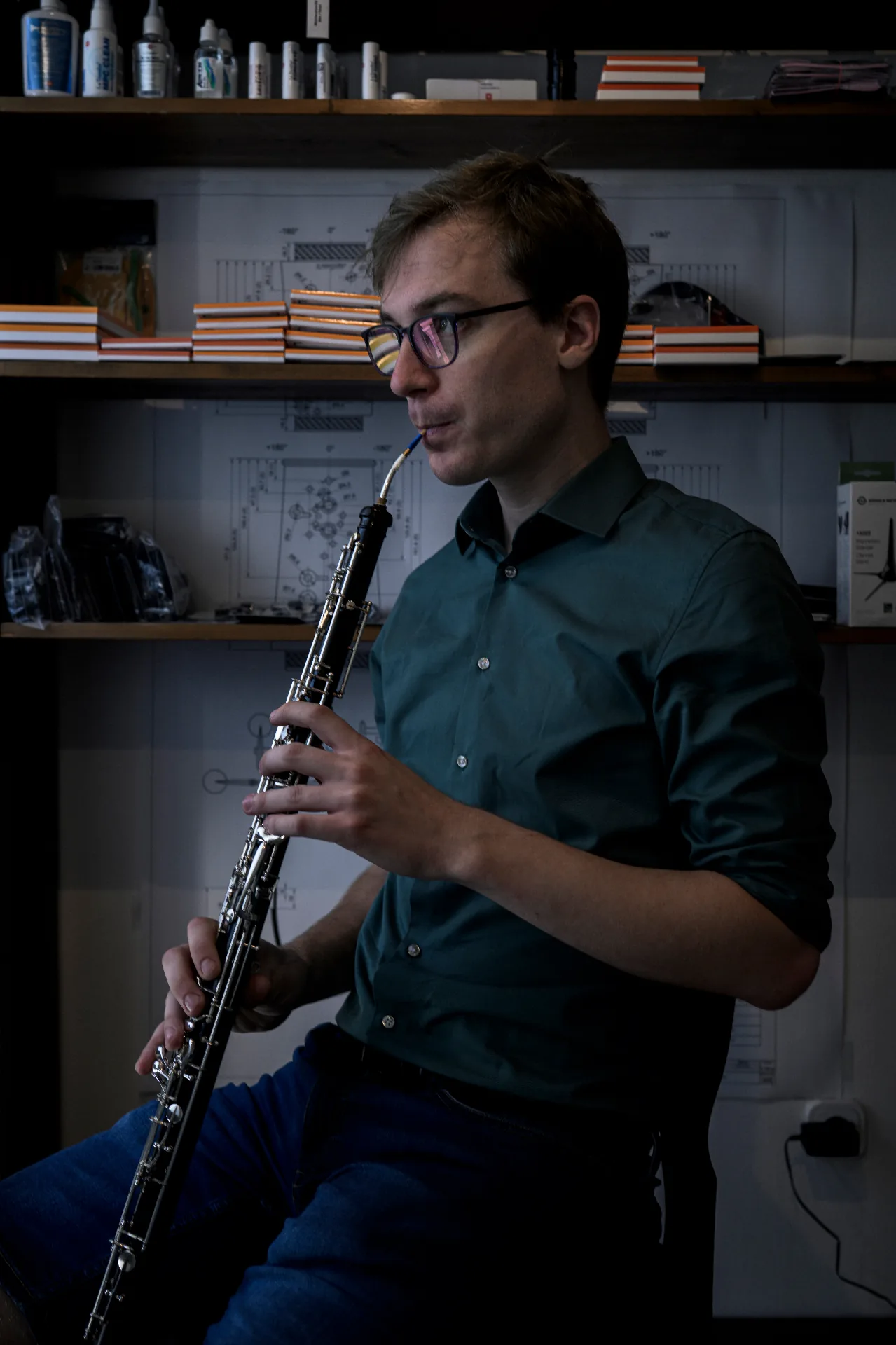
At one point Florian picked up an oboe. Not to pose for the camera. Not to demonstrate anything. But because for him it is self-evident to play every instrument himself.
A few notes filled the workshop. For a brief moment everything went quiet. No machines. No conversations. Only music.
It was one of those moments that can hardly be planned. And precisely for that reason it stays in memory.
In that moment I realised: no mechanic works here. A musician works here. One who knows exactly how an instrument has to feel. Because he himself stood on the other side for many years.
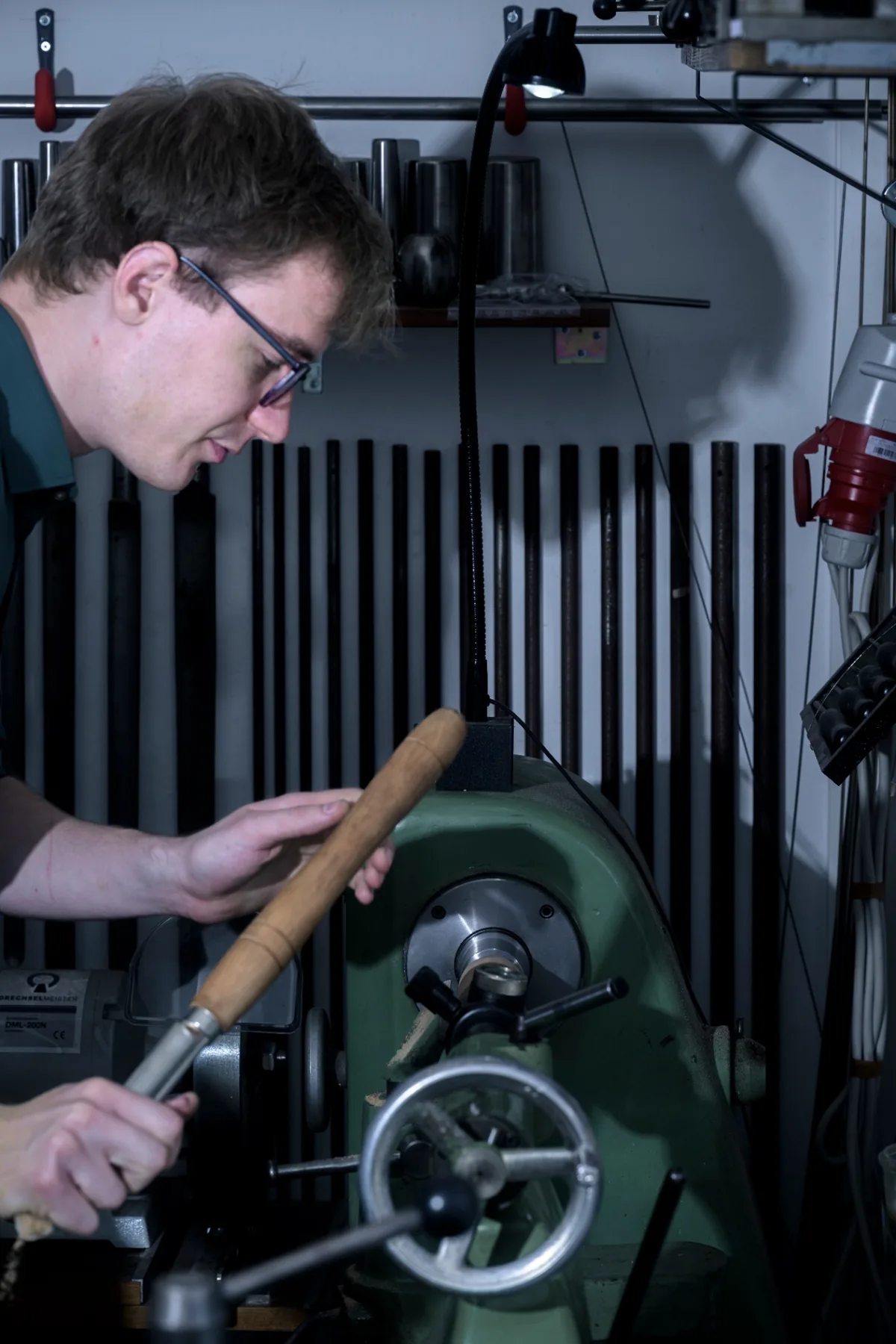
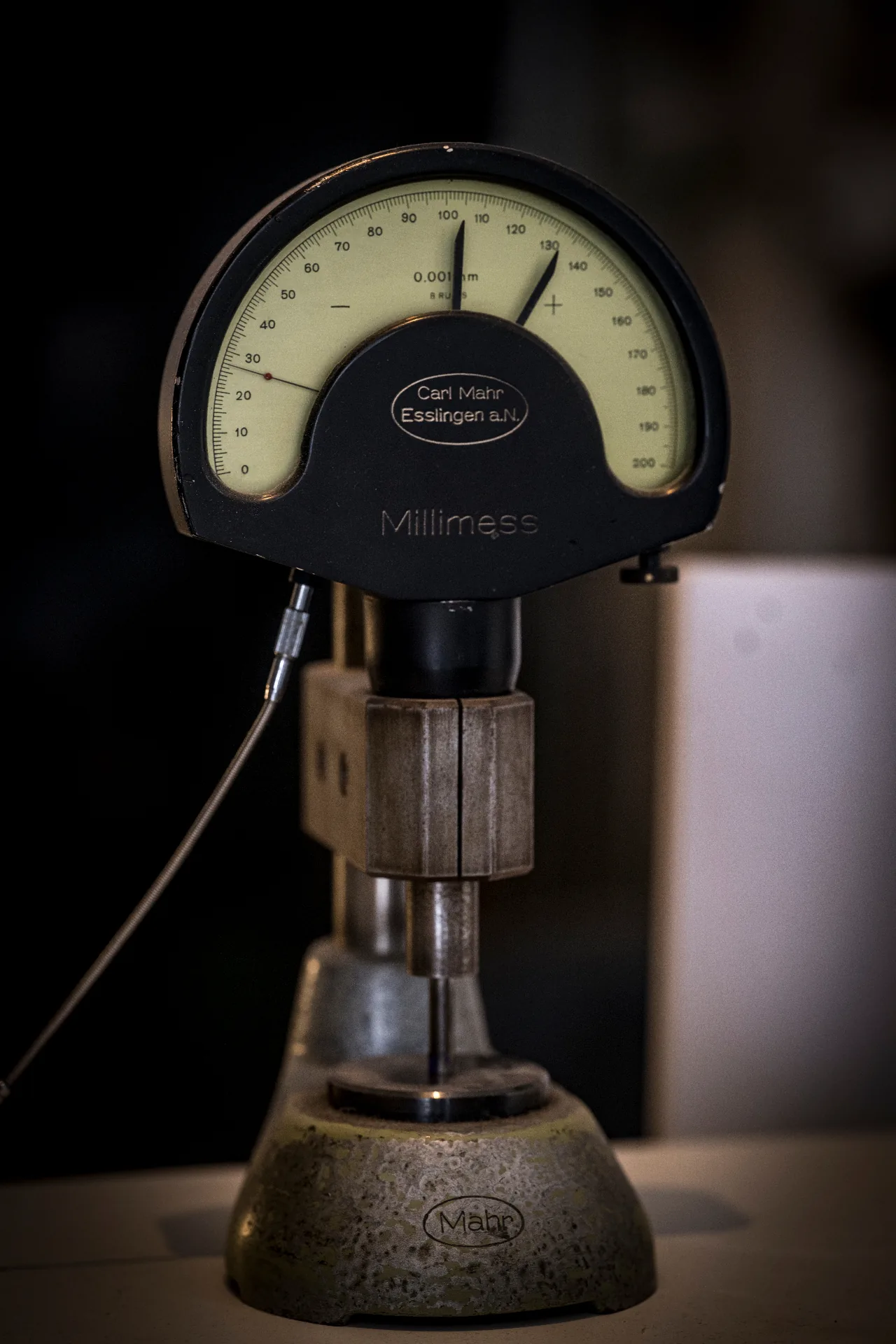
The language of small things
I play the saxophone and the flute myself. So even before our meeting I knew how incredibly delicate woodwind instruments are built. And yet it surprised me how much detailed knowledge is necessary.
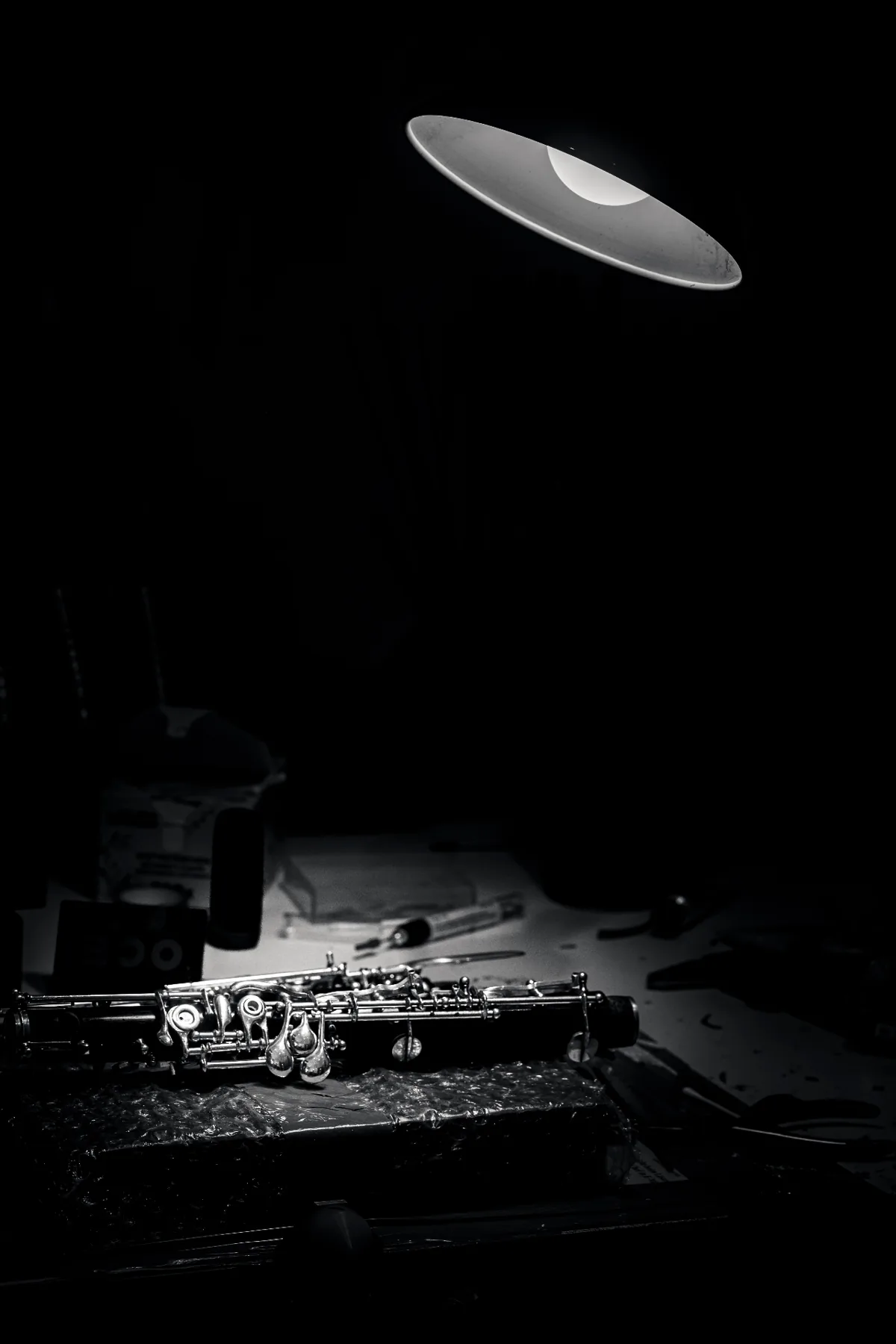
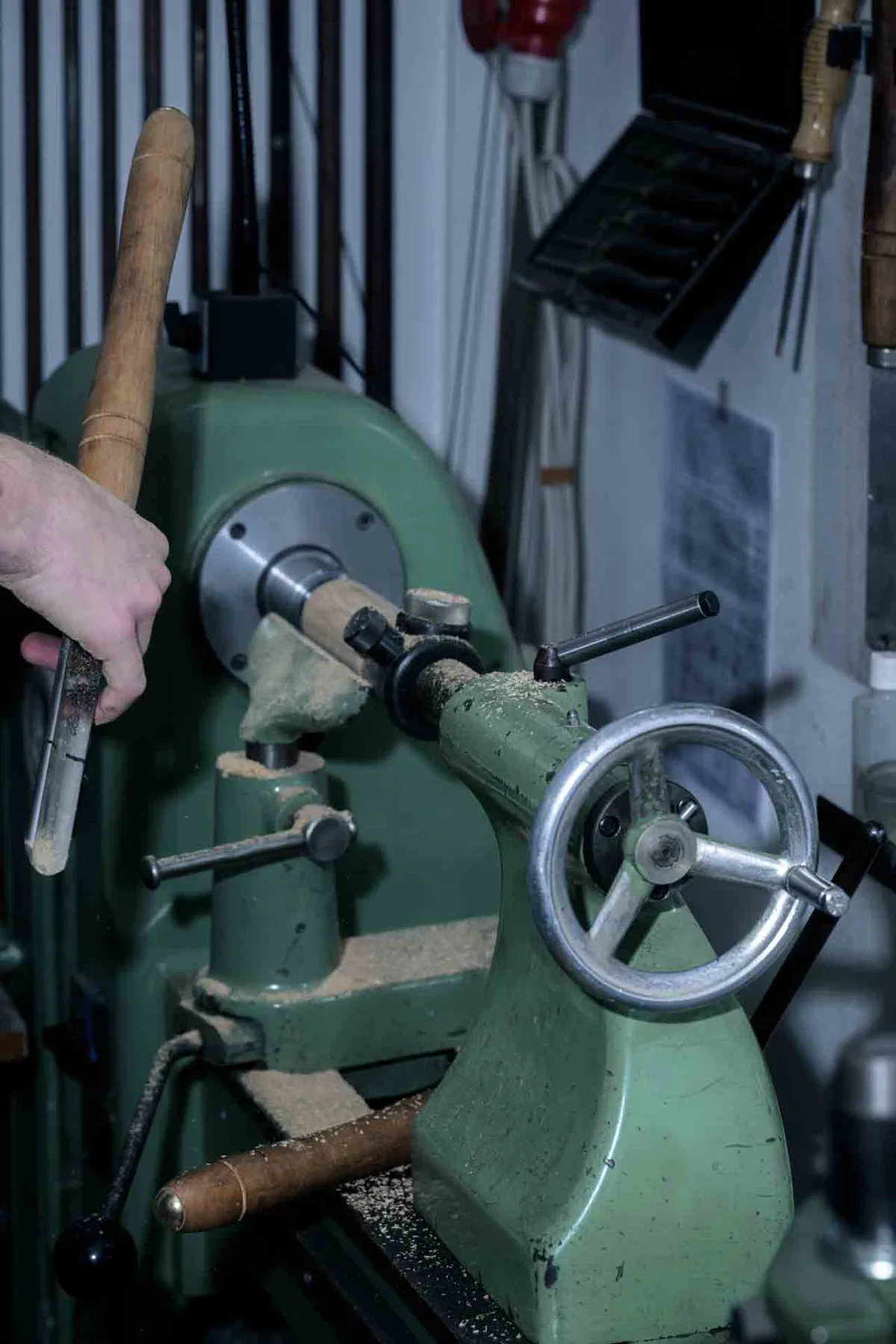
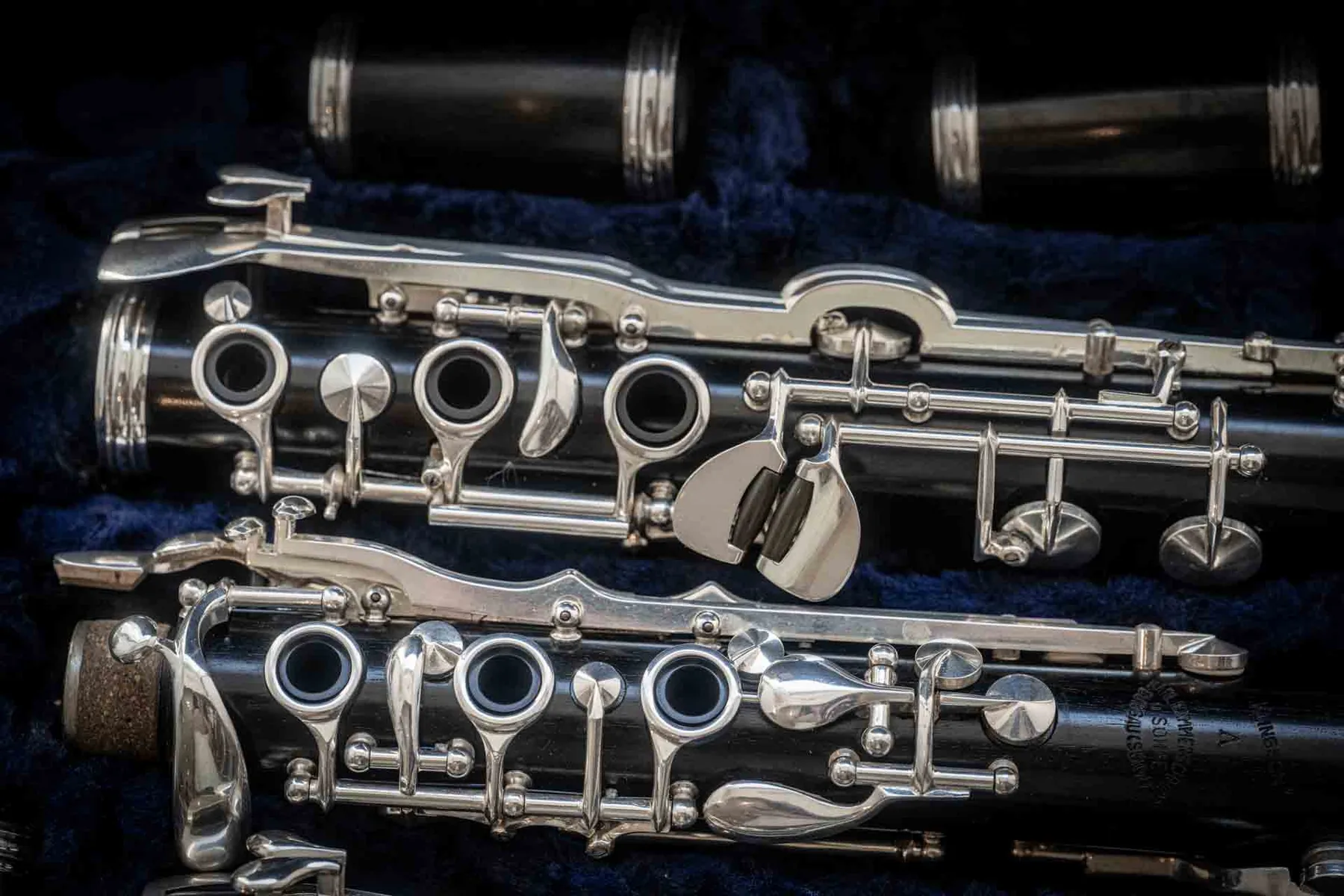
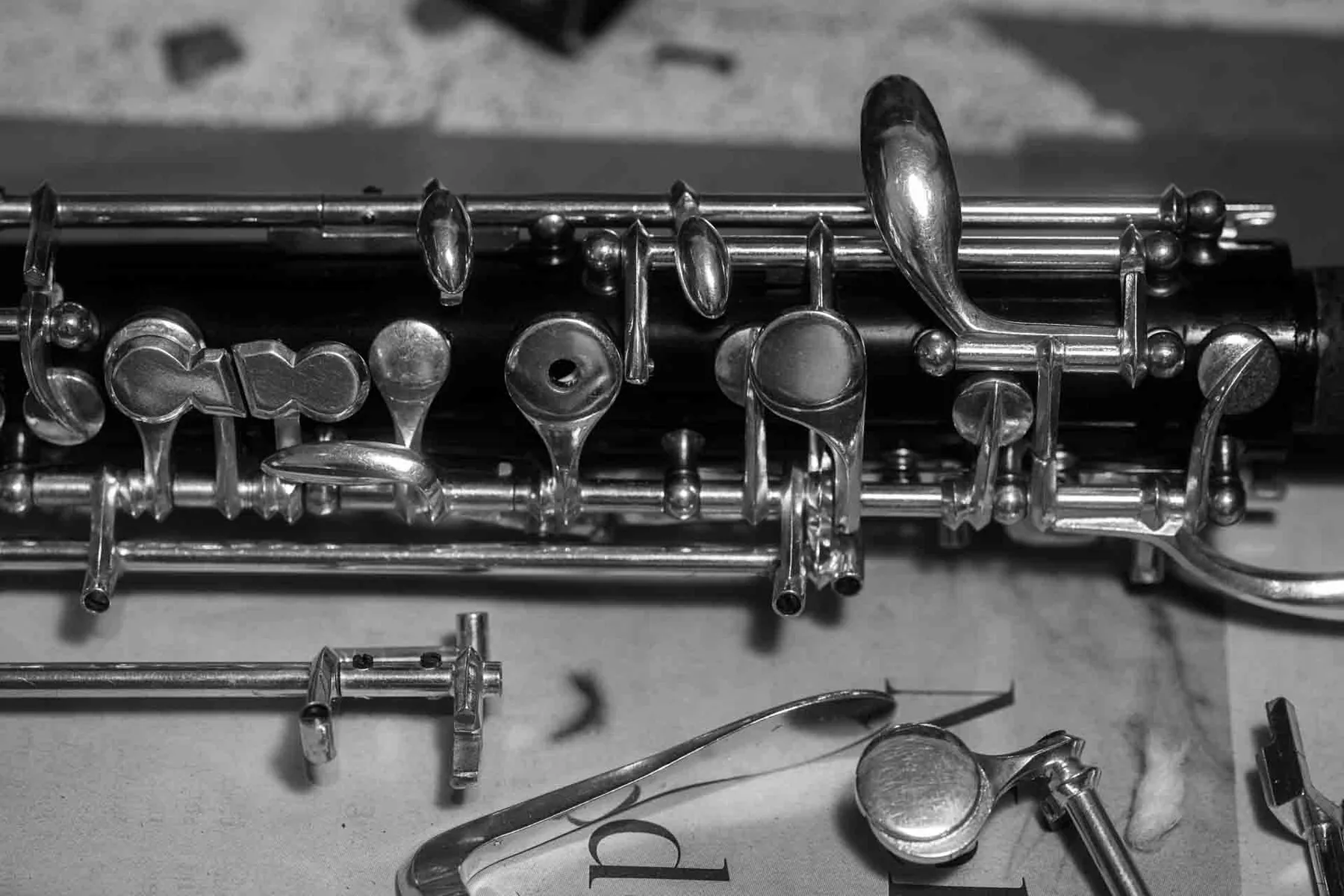
Tiny screws. Fine springs. Keys. Pads. Mechanisms. Components that are often only a few millimetres in size. And yet they decide whether an instrument speaks freely — or works against the musician.
While photographing, I almost forgot the camera at some point. I watched hands. Calm hands. Experienced hands. Every movement seemed self-evident. Not because it would be easy. But because thousands of hours of experience precede it.
It is precisely these small details that hardly anyone notices. And yet they decide whether an instrument becomes music.
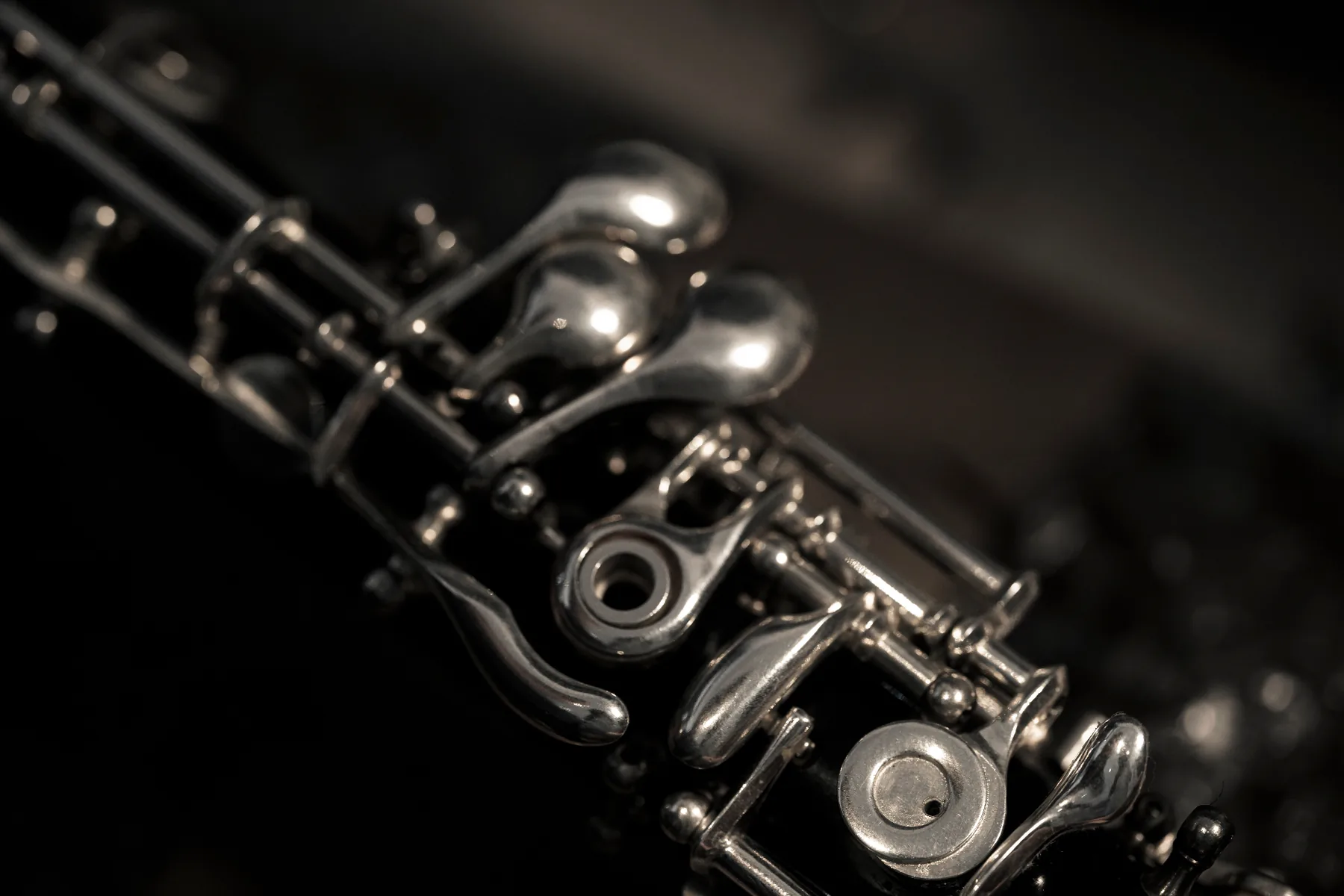
Trust cannot be repaired — it has to grow
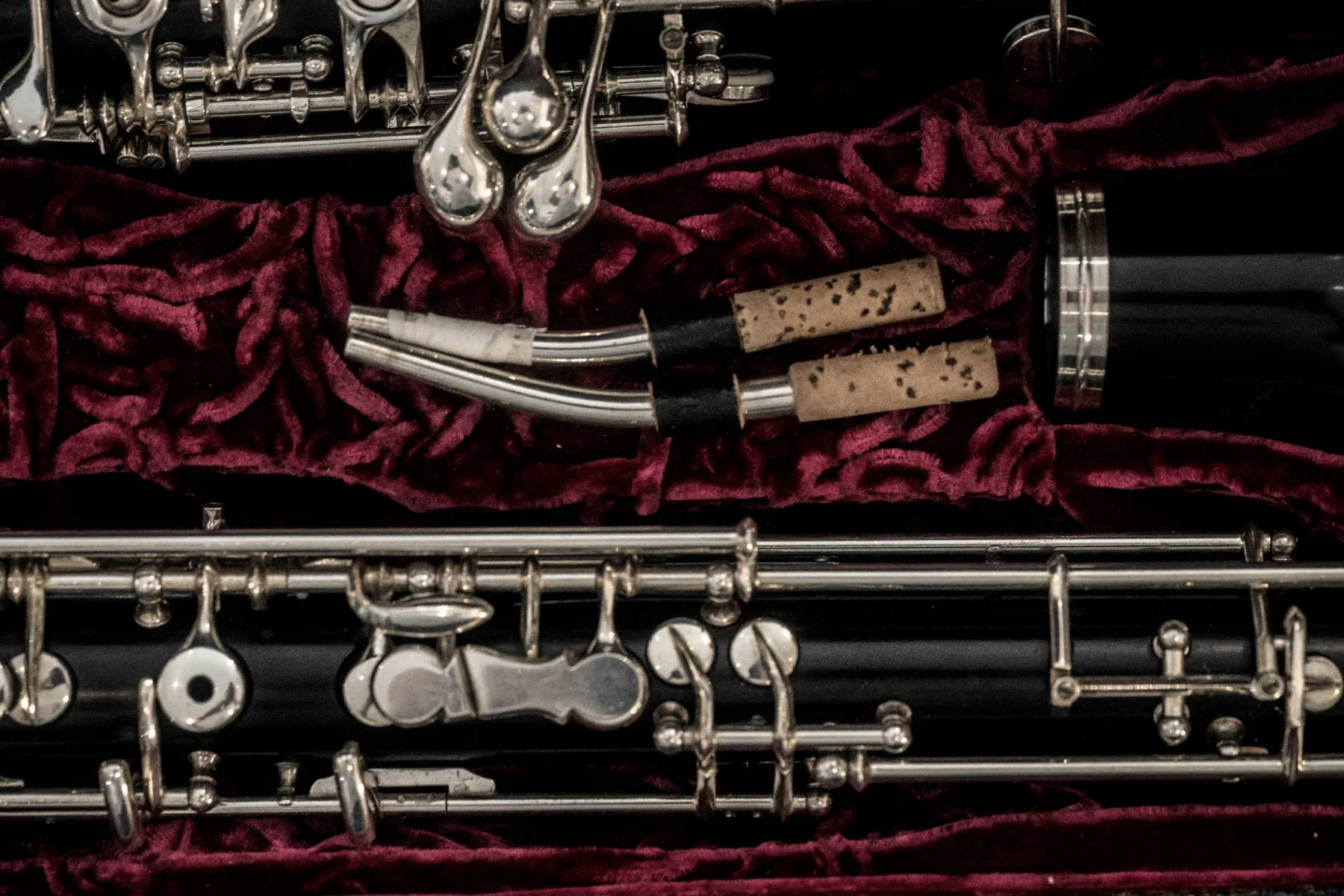
Many people associate the profession of a woodwind instrument maker with the building of new instruments. But that is only a small part of the daily work. The far greater part consists of maintaining clarinets and oboes. Restoring them. Optimising them. And adapting them individually to their musicians.
Because every instrument is unique. It accompanies entrance auditions. Concerts. Competitions. Sometimes an entire professional life.
An instrument is not a tool. It becomes part of its owner's personality.
When Florian readjusts a mechanism or overhauls an oboe, he is therefore not simply repairing wood or metal. He is giving something back to a musician. Trust.
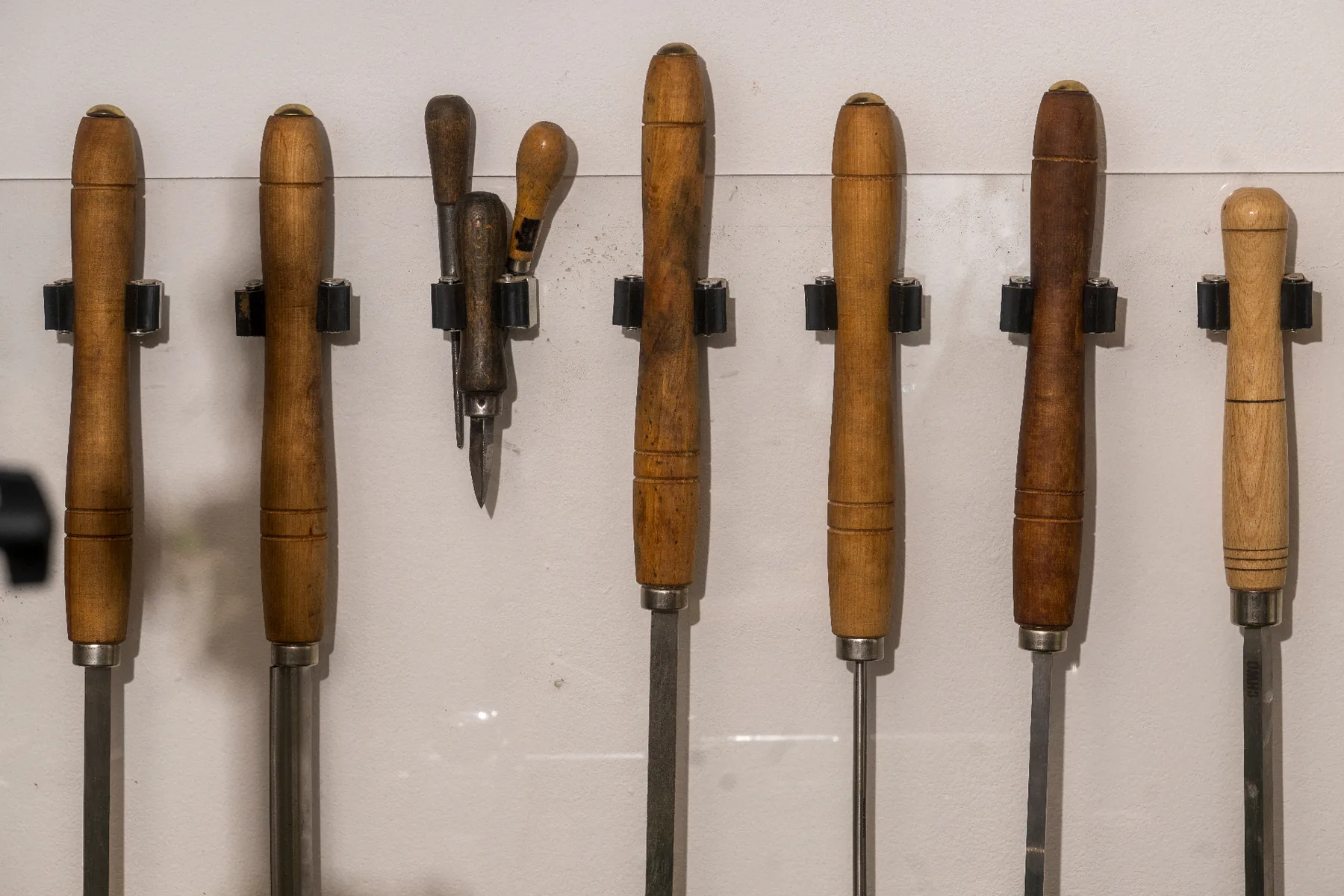
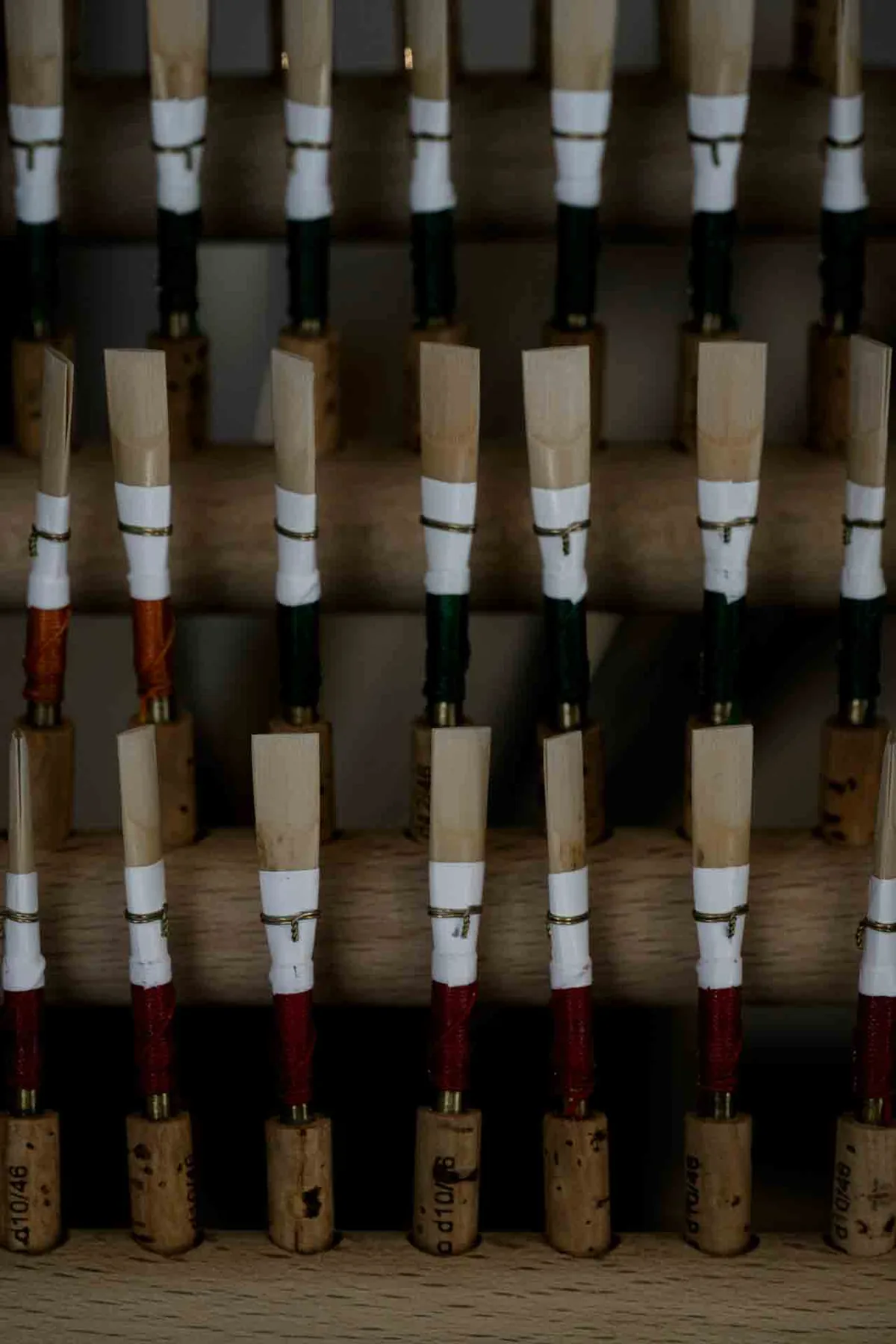
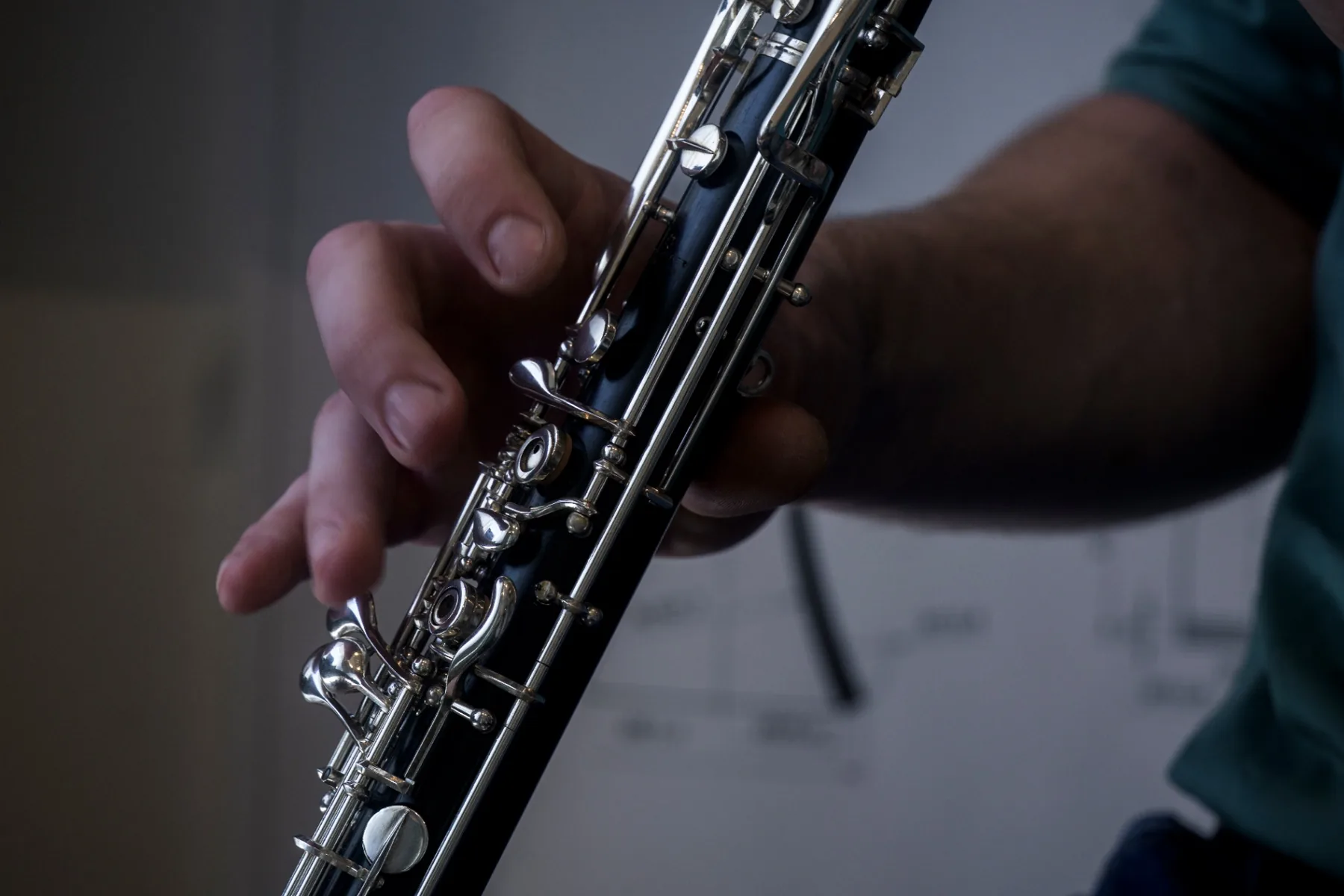
Music begins long before the first note
While we speak today about artificial intelligence, automation and digitalisation, this workshop feels almost like a counter-proposal. Not because it has stood still. But because something matters here that cannot be digitalised — not even today.
Experience. Patience. Precision. A trained ear. A sense in the fingertips. And the will to perfect every single working step until it really is right.
Perhaps this is exactly the reason why professions like this one are more important today than ever. The more digital our world becomes, the more valuable those people become who create something no algorithm can replace.
Responsibility does not end at the workbench
What impressed me, however, was not only Florian's craftsmanship.
What impressed me most was his attitude.
Because his responsibility does not end where an instrument leaves the workshop. That is often where it truly begins.
As chairman of the nationwide apprenticeship examination committee of the Austrian Federal Economic Chamber for woodwind and brass instrument makers, Florian is as committed to the next generation of the profession as he is in his role as member of the master examination commission and of the professional branch committee of the Vienna Guild.
He accompanies aspiring instrument makers on their path. Shares his knowledge. Supports those interested. And even makes parts of his private specialist library available.
Not because it belongs to his profession. But because he is convinced that knowledge must be passed on.
Because every craft lives from people who are willing to leave behind more than just their own work.
A workshop as part of Vienna's musical tradition
Vienna is among the most important music cities in the world.
The Vienna State Opera. The Musikverein. The Vienna Philharmonic.
Every year hundreds of thousands of people travel to Vienna to experience precisely this unique sound. Yet few think about what happens long before a concert.
Before musicians step onto the stage. Before conductors raise the baton. Before the first note fills the hall.
Instruments have to be cared for. Maintained. Restored. They have to work reliably. Not only today. But often across decades.
This is exactly where the work of people like Florian Köck begins. They do not stand in the spotlight. And yet they play their part in keeping musical tradition alive.
What remains
As I left the workshop, I first thought about music. Then about craftsmanship. And finally about something entirely different.
About passion. About people who have not chosen the easiest path. But the one that fulfils them.
Perhaps that is precisely the reason why this day impressed me so much.
Not because I had seen extraordinary instruments. Not because I had discovered fascinating machines. But because I had met a person who returns to his workbench every day with the same enthusiasm.
Who has learned that mastery is never a destination. But a path.
“Music does not begin with the first note. It begins in the hands of those people who devote their lives to sound.”
Behind the first note
When later, at the Vienna State Opera, the lights slowly fade and the first note rings out in the Musikverein, a concert begins for the audience.
For Florian, that moment often began weeks or months earlier. At his workbench. With a small screw. With a fine spring. With a tiny adjustment. With patience. With experience. And with the conviction that true quality never happens by chance.
We applaud the people on stage. Perhaps, from time to time, we should also think of those who make sure that this stage can sound at all.
Because music does not begin with the first note. It begins in the hands of those people who devote their lives to sound.
Behind the Lens
For me, photography does not only mean portraying people. I am interested in people who live their passion with extraordinary dedication. People whose stories often unfold in the hidden. It is precisely there that images are created that remain.