Whoever regularly works with a Nikon Z9 or Z8 knows the feeling:
Once the large camera body, several lenses and a fully packed bag are with you, even a short walk quickly turns into a planned shoot.
As much as I appreciate these systems, sometimes that is exactly what I do not want.
Sometimes I simply want to photograph.
Light, spontaneous, without carrying half a studio on my shoulder.
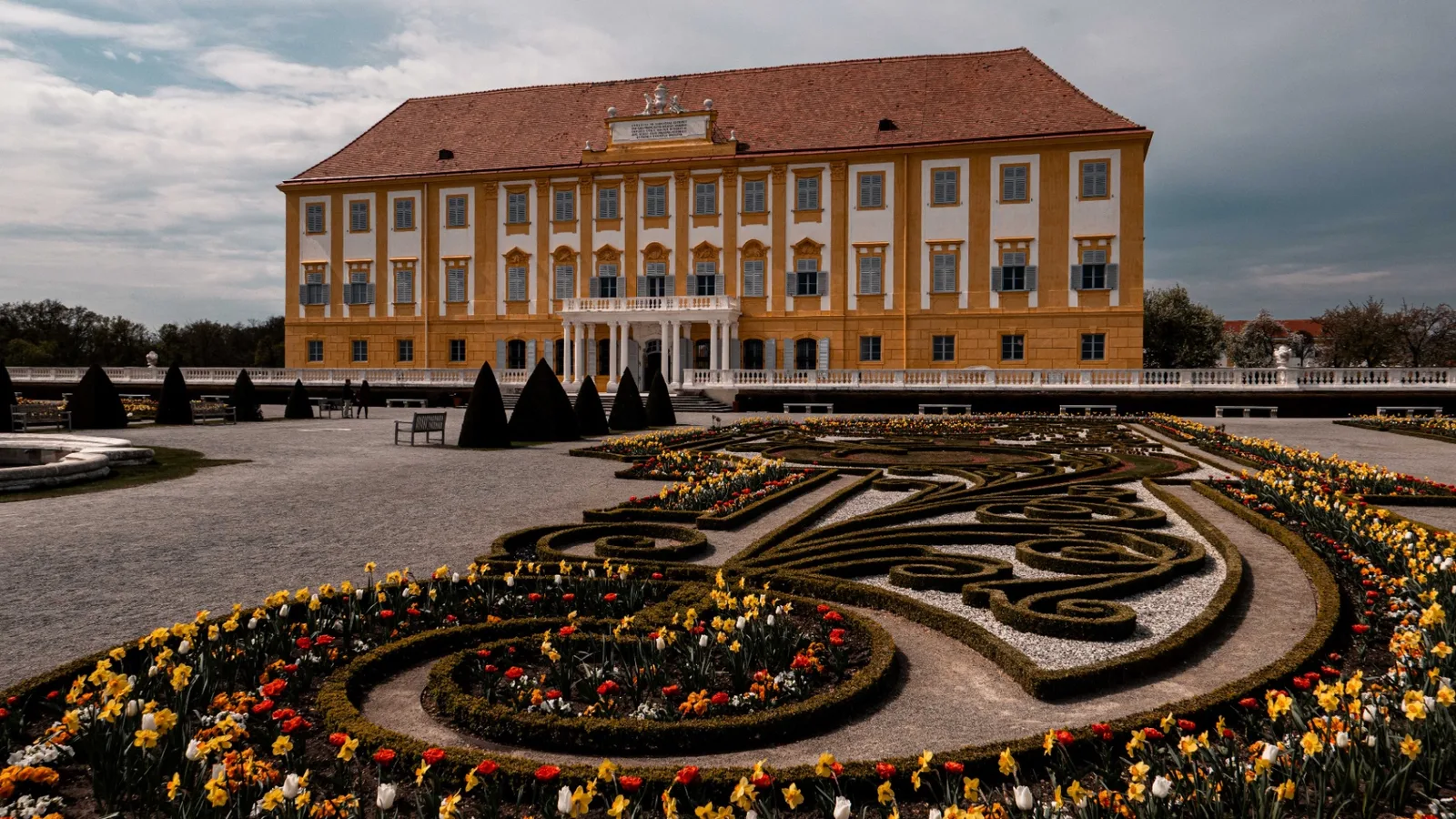
That is precisely why the Leica D-LUX 8 joined me for a weekend walk through Vienna's inner city and later on to Schloss Hof. No assignment, no concept, no pressure. Just the conscious decision to go out with less and see what happens.
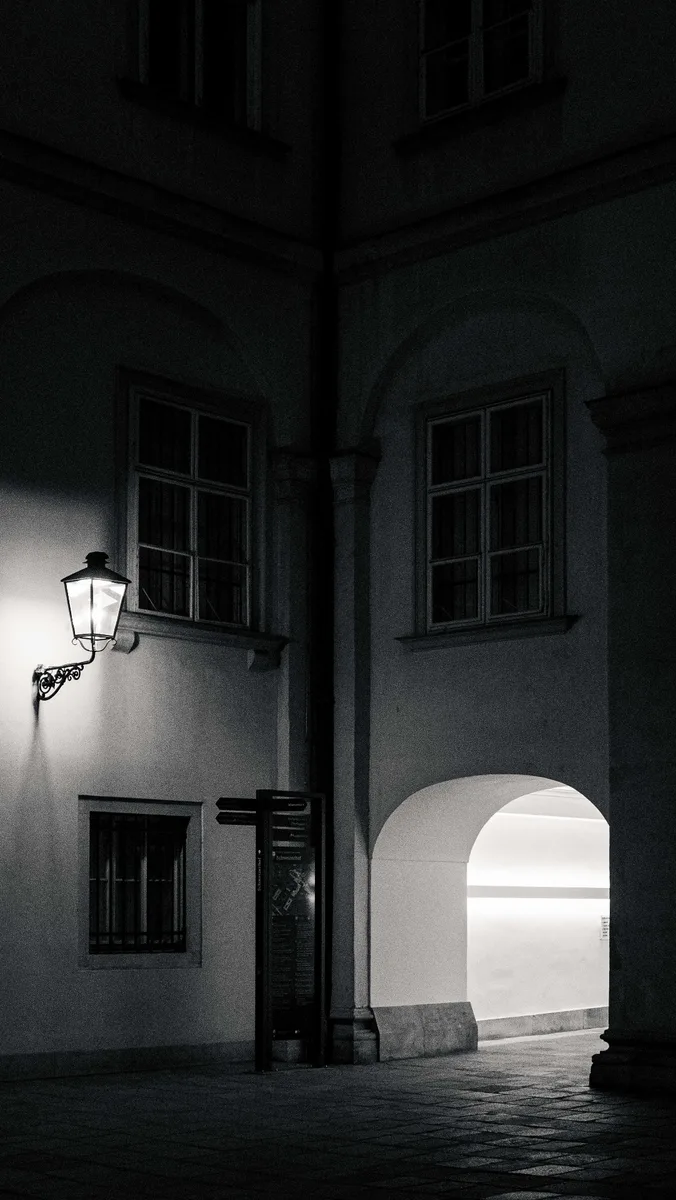
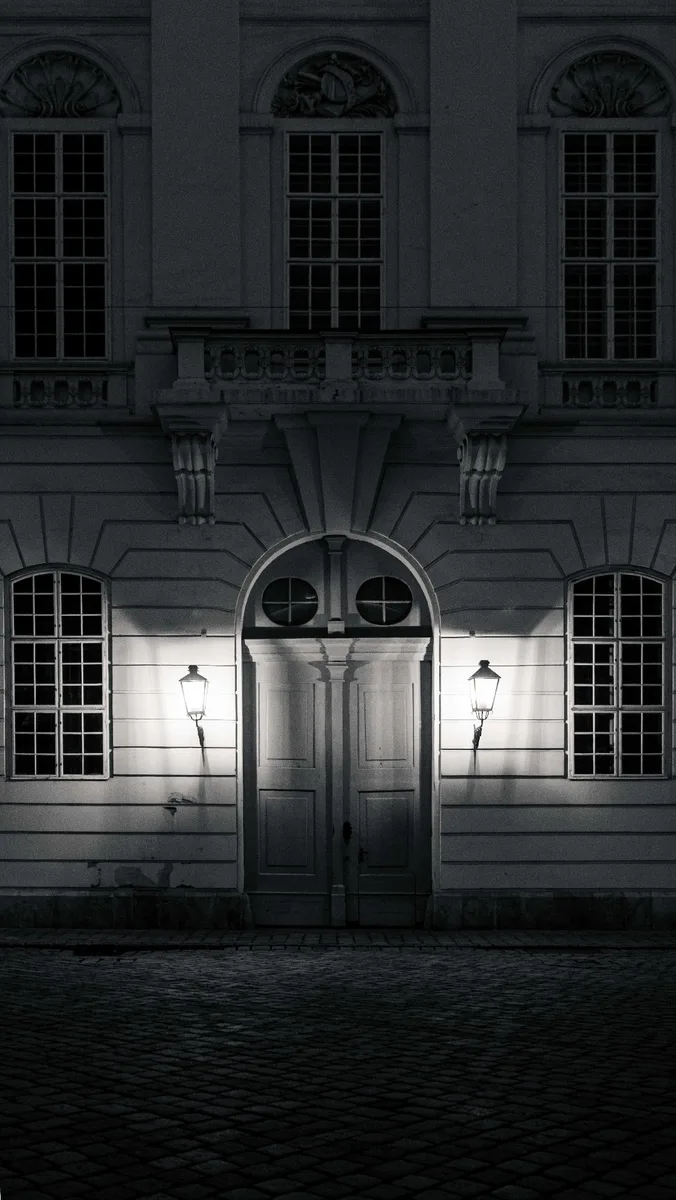
And that is where its appeal begins.
The Leica D-LUX 8 is small enough to be with you almost all the time. It disappears effortlessly in a small bag and, depending on the jacket, even in a coat pocket. It becomes less of a camera you deliberately pack and more of one that simply accompanies you.
What surprises immediately is how substantial it feels despite its size. Especially with the additional grip attached, the camera sits much more securely and confidently in hand. For me, this small accessory transforms it from a beautiful compact camera into a tool I genuinely enjoy using.
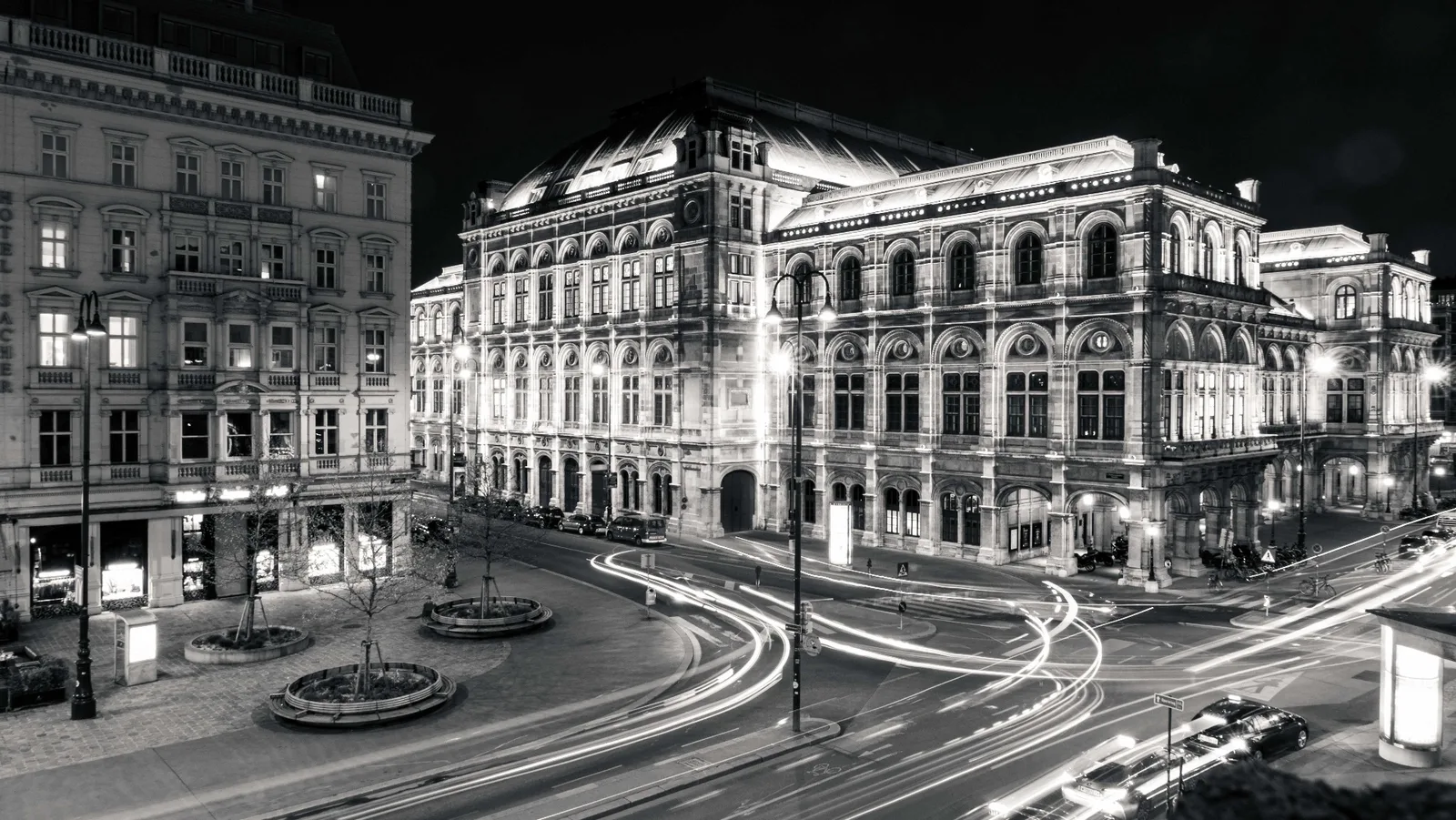
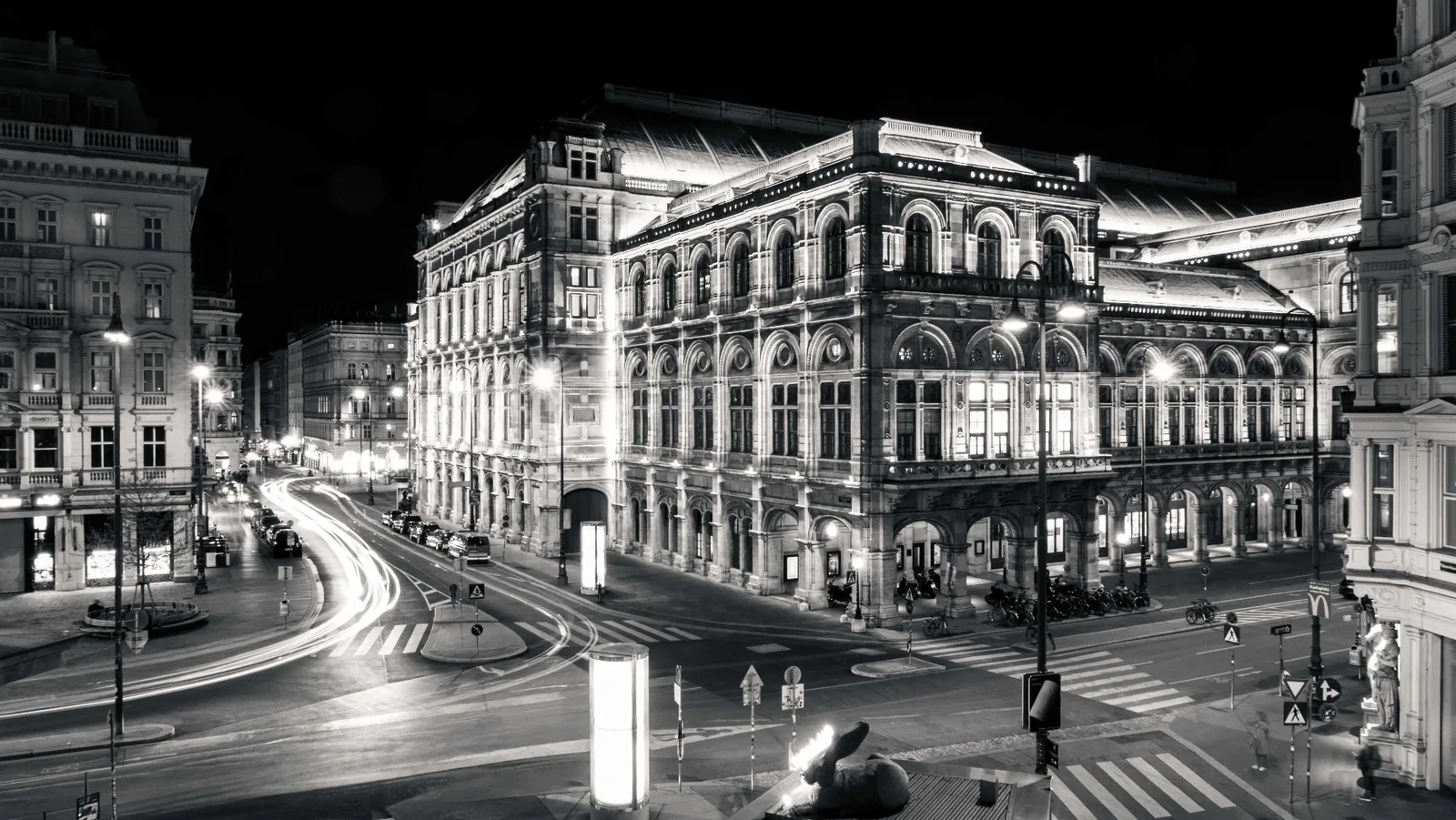
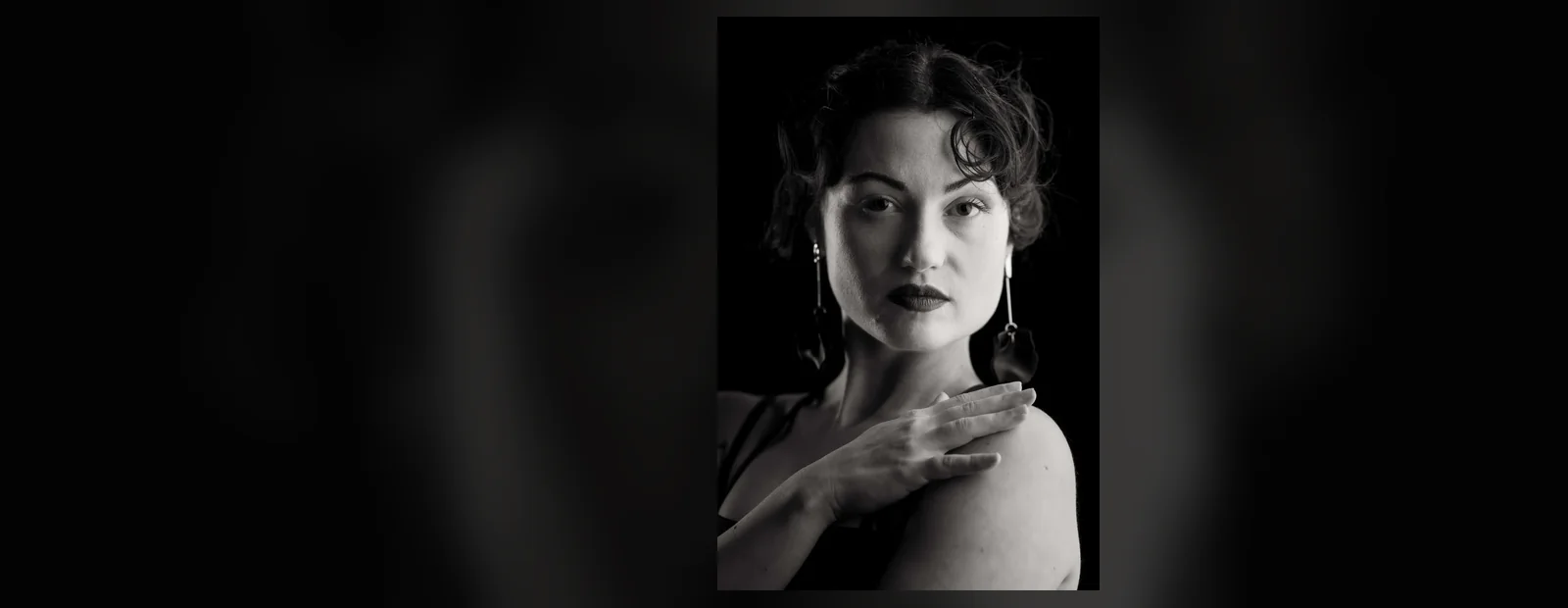
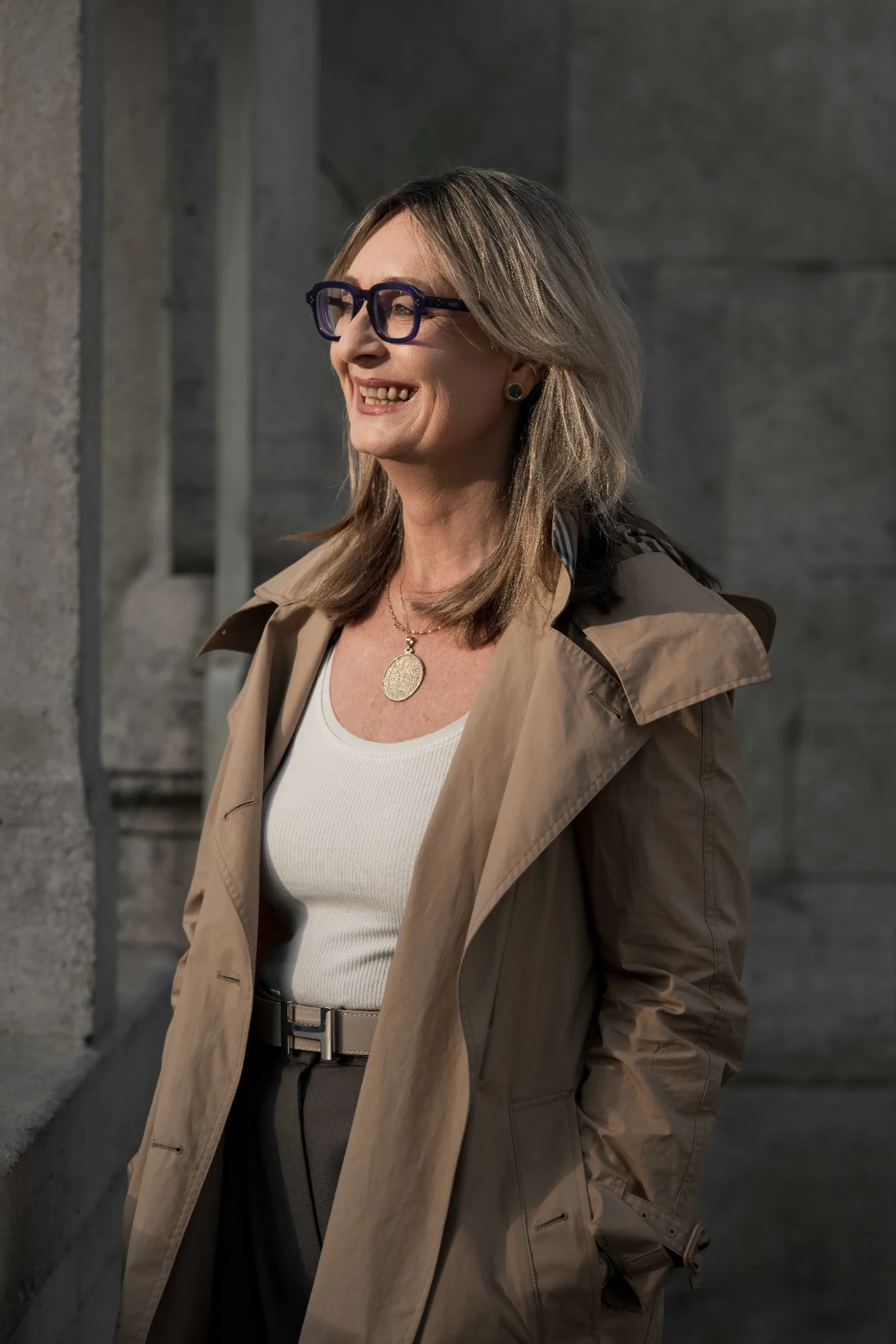
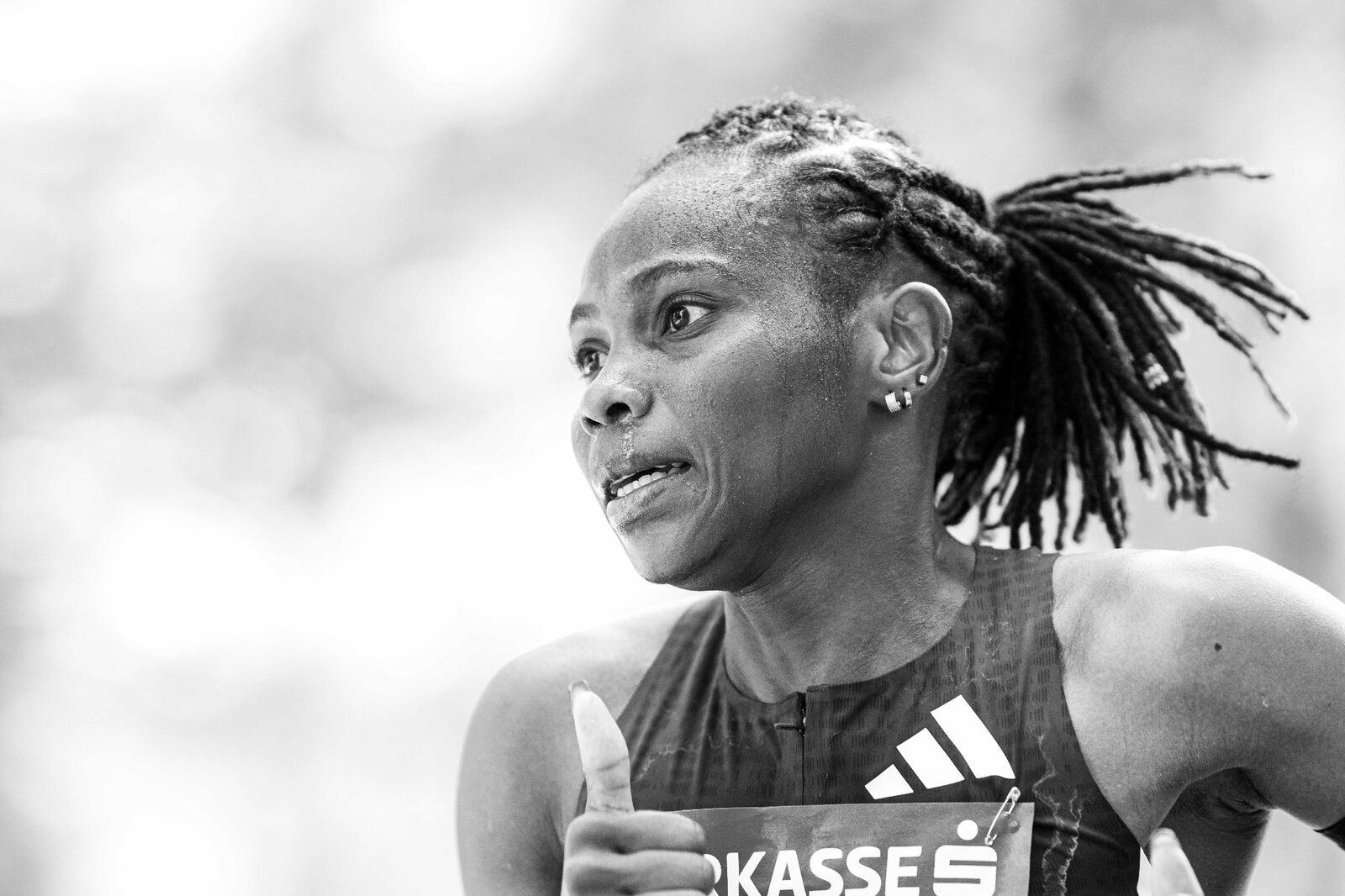
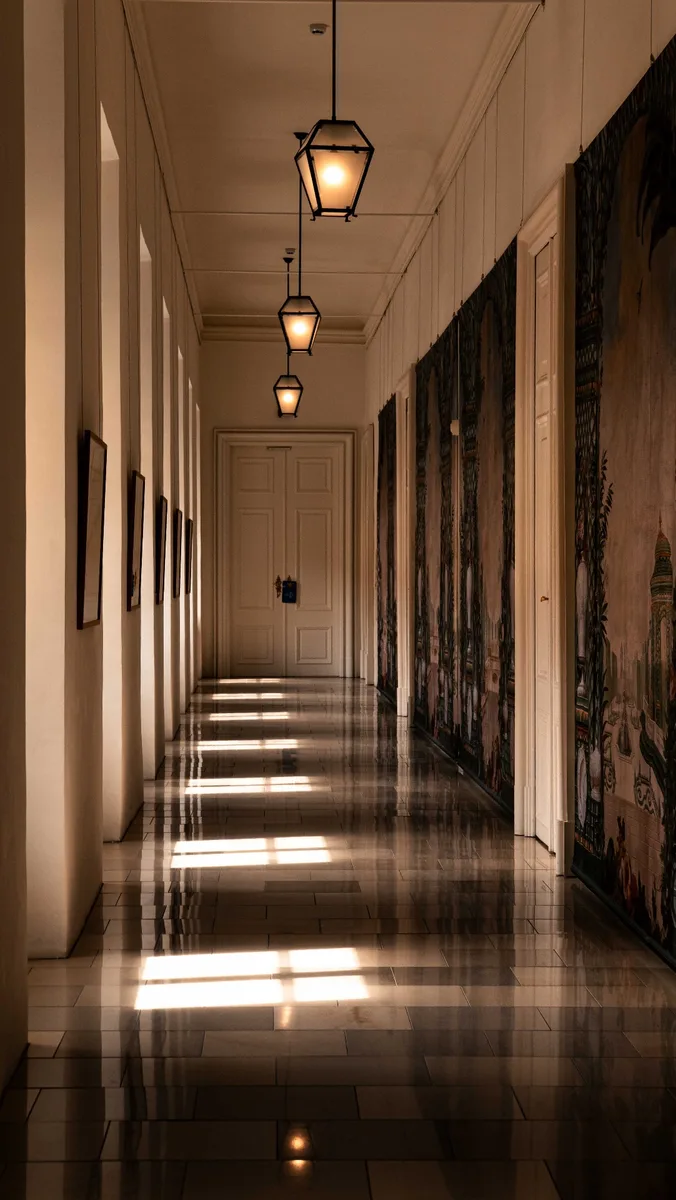
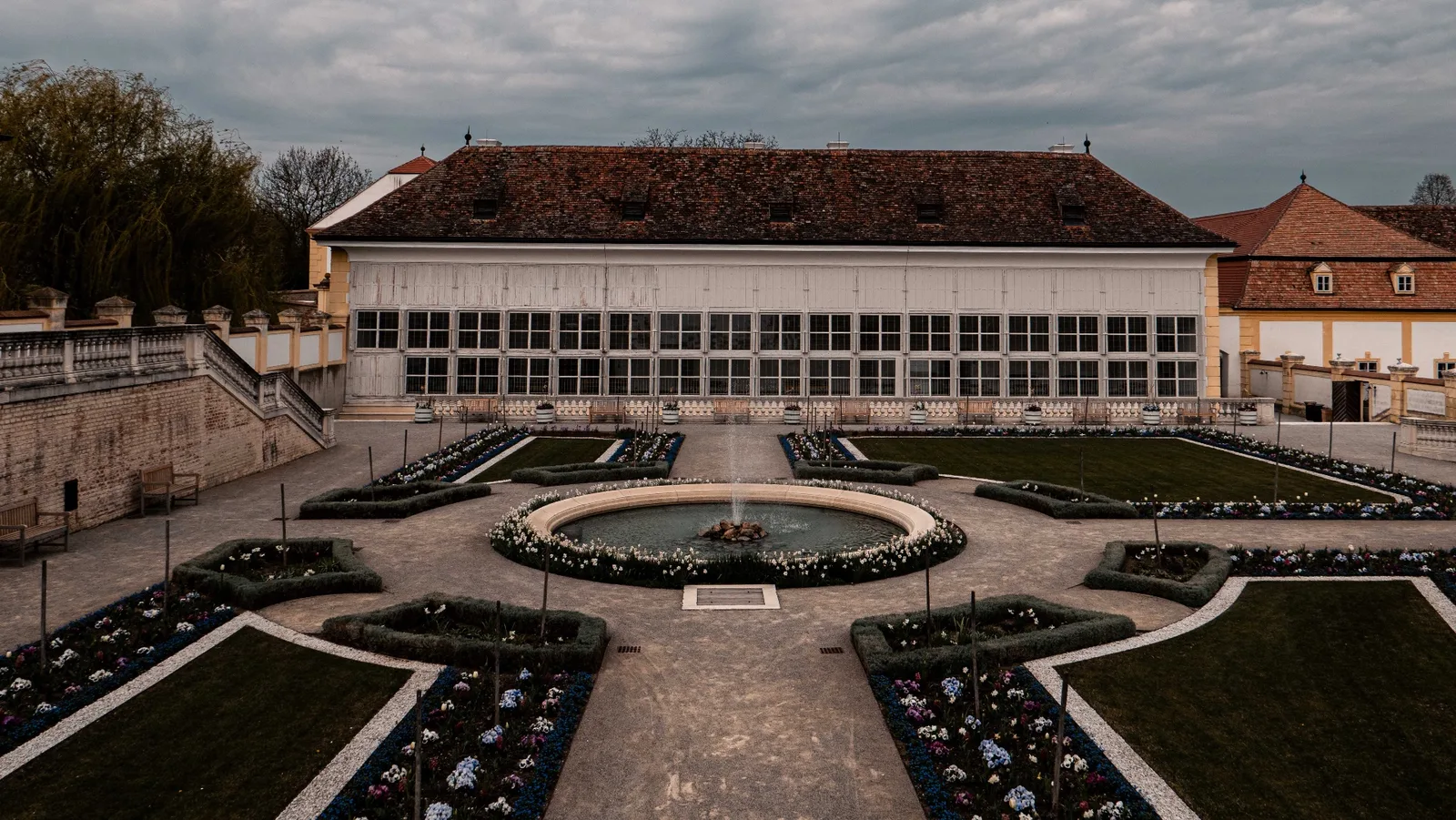
Over the weekend it was tested in very different conditions — under overcast skies in Vienna, during golden hour at Schloss Hof, and later at night in the city. Exactly the kind of situations where one quickly notices whether a camera is merely practical or genuinely inspiring.
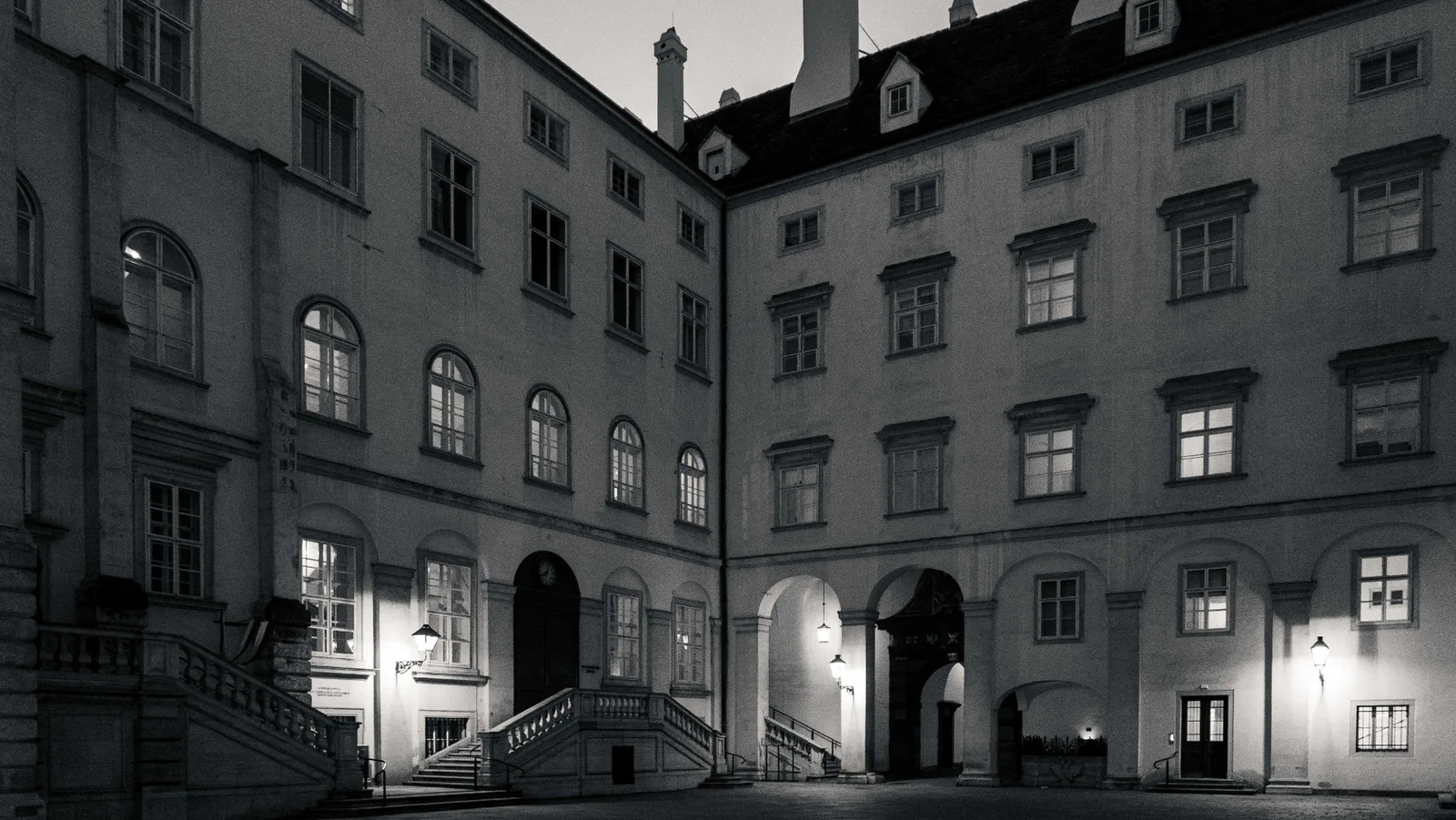
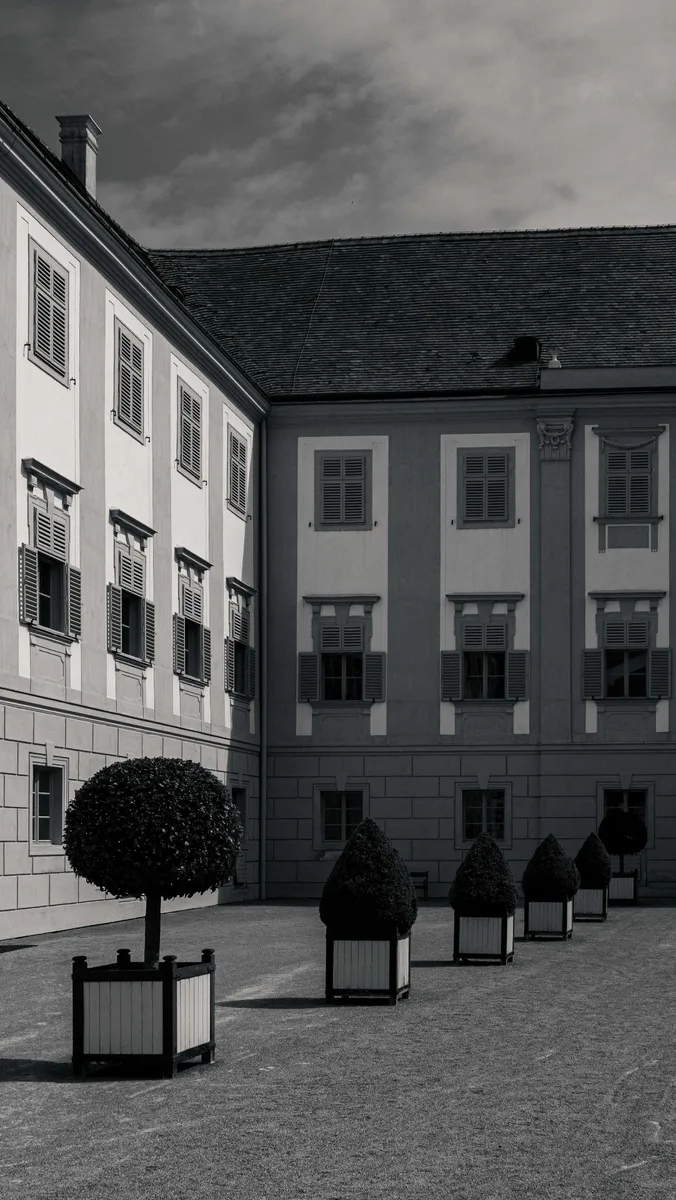
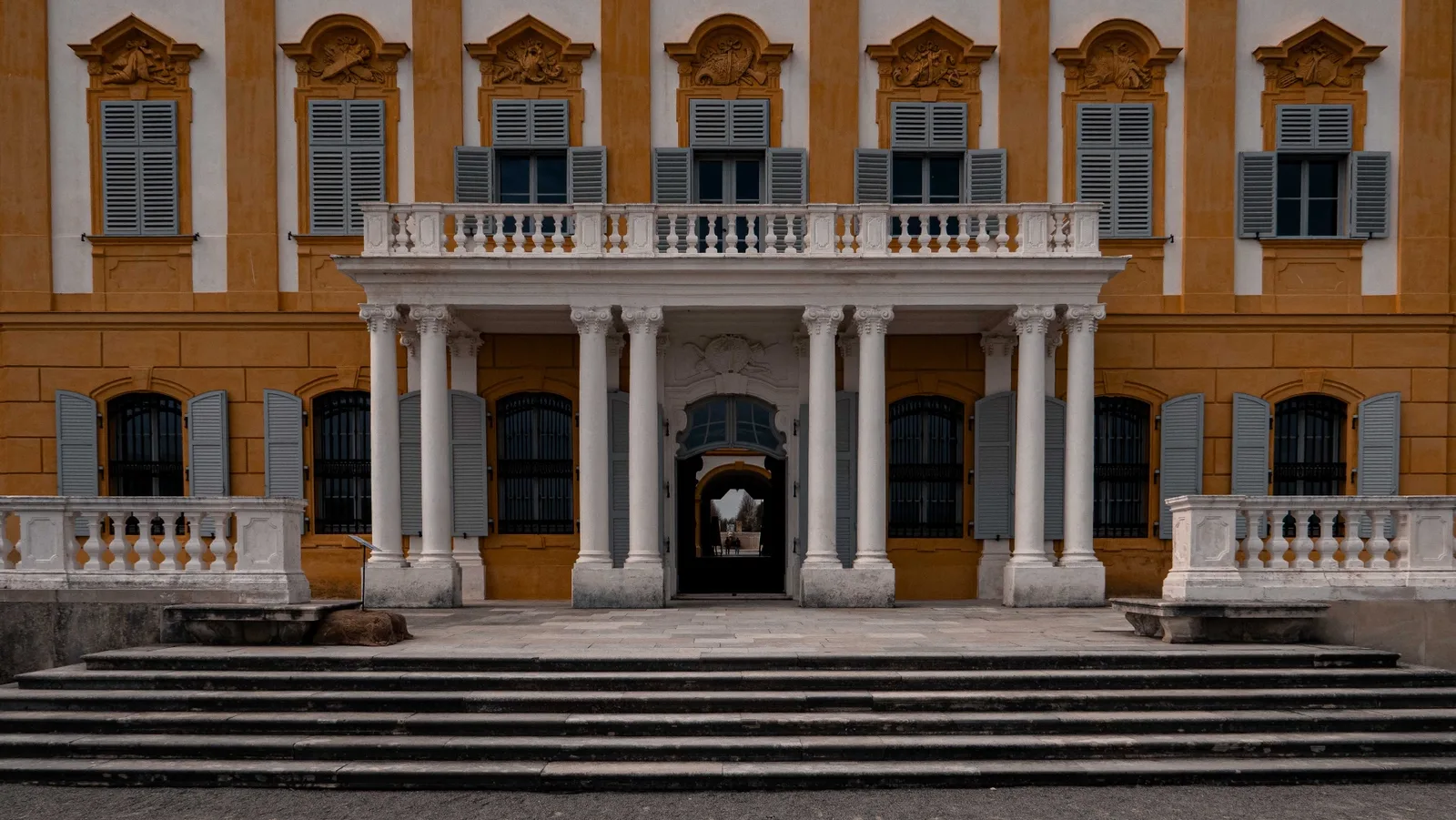
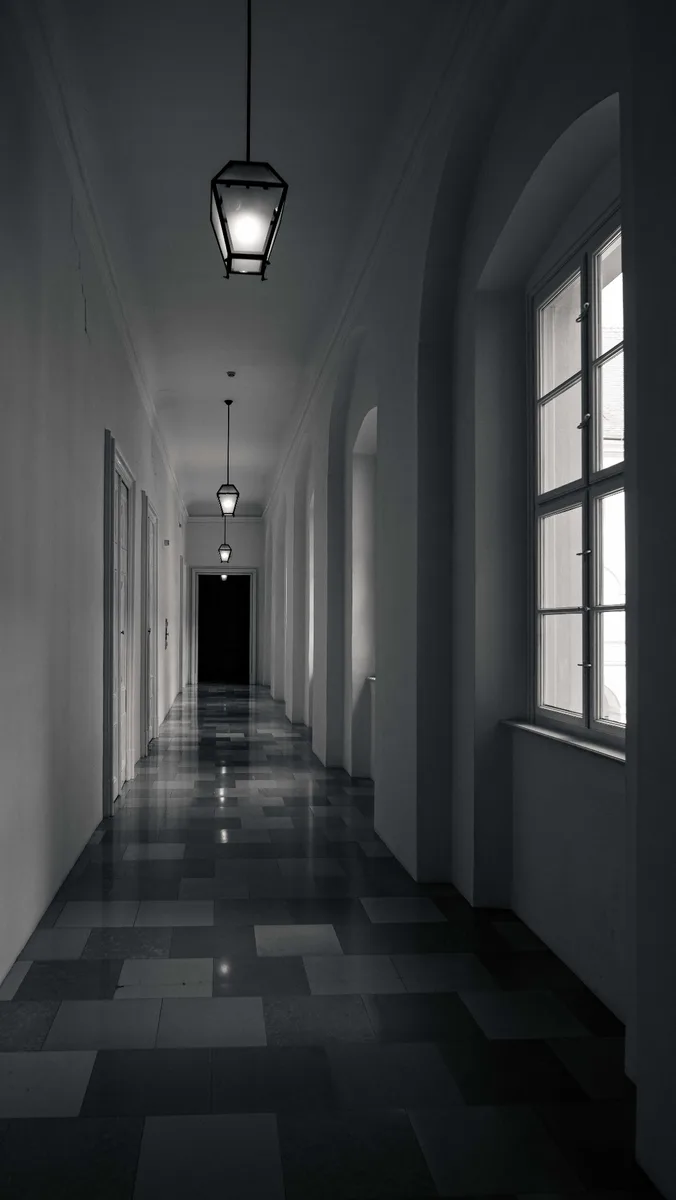
The resulting images were developed in a classic Leica-inspired style — deep blacks, refined contrast and a timeless color and monochrome aesthetic. Not because a camera automatically creates a look, but because some tools encourage a different way of seeing: slower, more deliberate, more focused on light, form and composition.
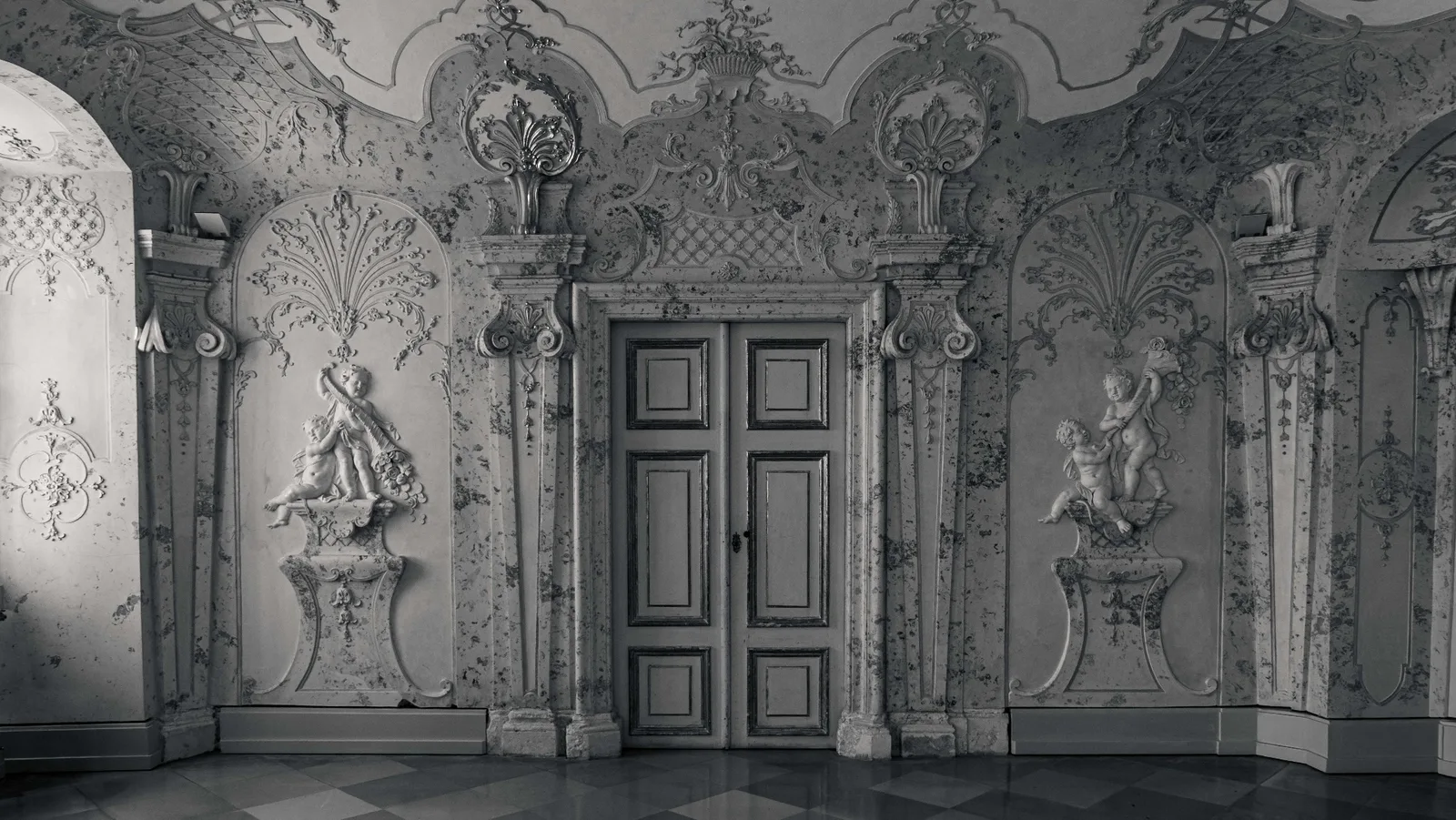
Of course, the Leica D-LUX 8 does not replace a professional full-frame setup.
It is not meant to.
But it does something many larger cameras fail to do in everyday life:
It makes you want to take it with you.
And perhaps that is its greatest strength.
Because in the end, the best camera is never the most impressive one — but the one that is actually there when the image happens.
After this weekend, one impression remains:
The Leica D-LUX 8 is a wonderful camera.
Not despite its size — but because of it.
→ Learn more about the Leica D-LUX 8 on Leica's official product page
The best camera is never the most impressive one — but the one that is actually there when the image happens.