Arriving at the Lake
We drive leisurely along Lake Traunsee from Gmunden to Traunkirchen. The road winds close to the water, accompanied by the dark mirror of Austria's deepest lake. In early January, the villages seem deserted. Where summer visitors stroll in warmer months, where voices and laughter fill the shores, everything now appears to have come to rest. The sidewalks are empty, windows dark, everyday life on pause. With each kilometer, the lake grows darker. The mountains, lightly dusted with snow, move closer, appearing taller and more massive. Finally, we reach Traunkirchen – small, quiet, almost hidden between water and rock.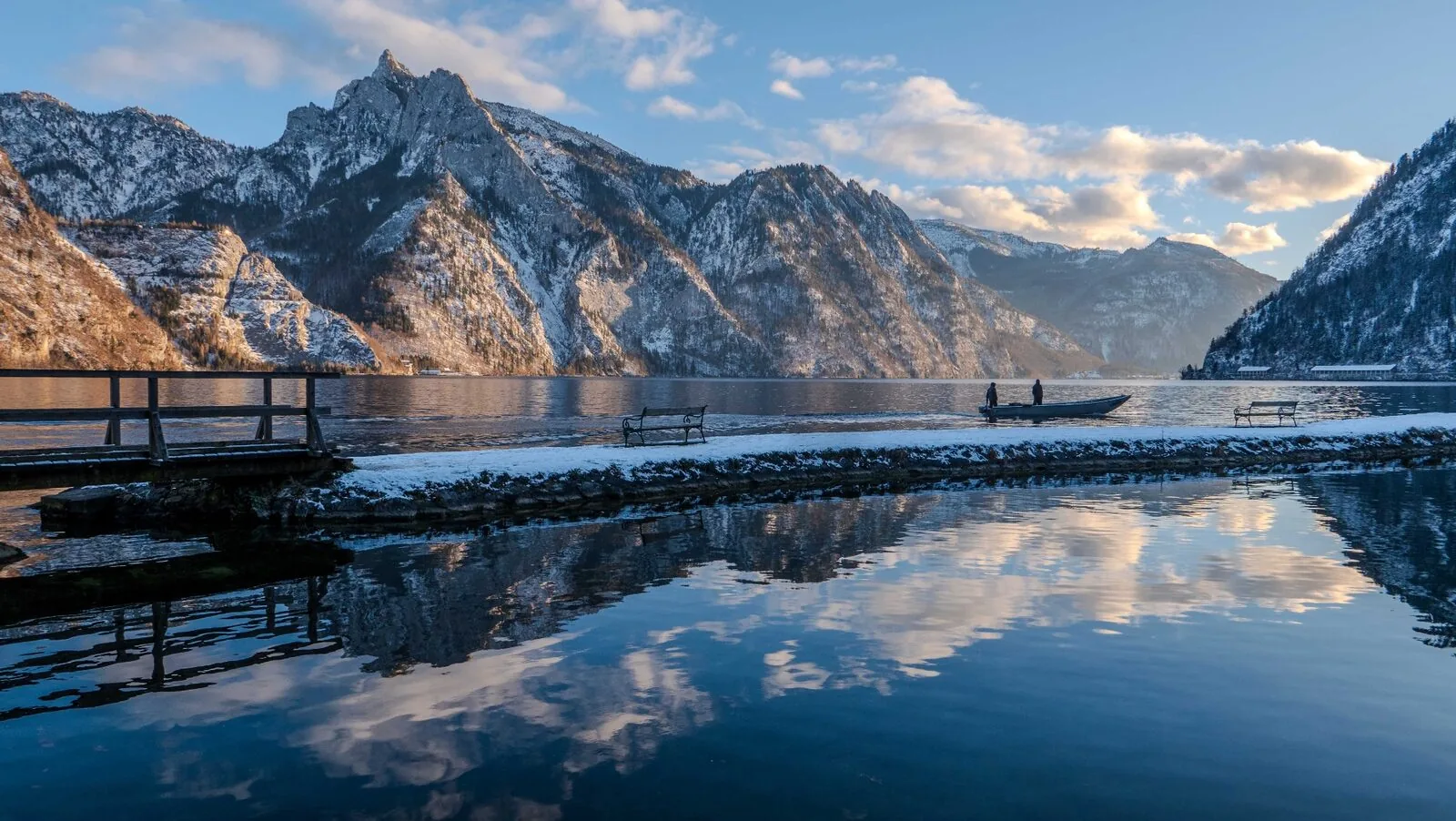
When Silence Gains Meaning
It is precisely this winter emptiness that gives the place a special tension. Traunkirchen does not feel abandoned, but rather gathered – as if waiting for something. In the darkness, in the short light of afternoon, lies an expectation that cannot be grasped – yet is felt. From this silence, the Glöcklerlauf unfolds its power. No loud beginning, no rupture, but a slow awakening from winter's rest.Origins of the Glöcklerlauf
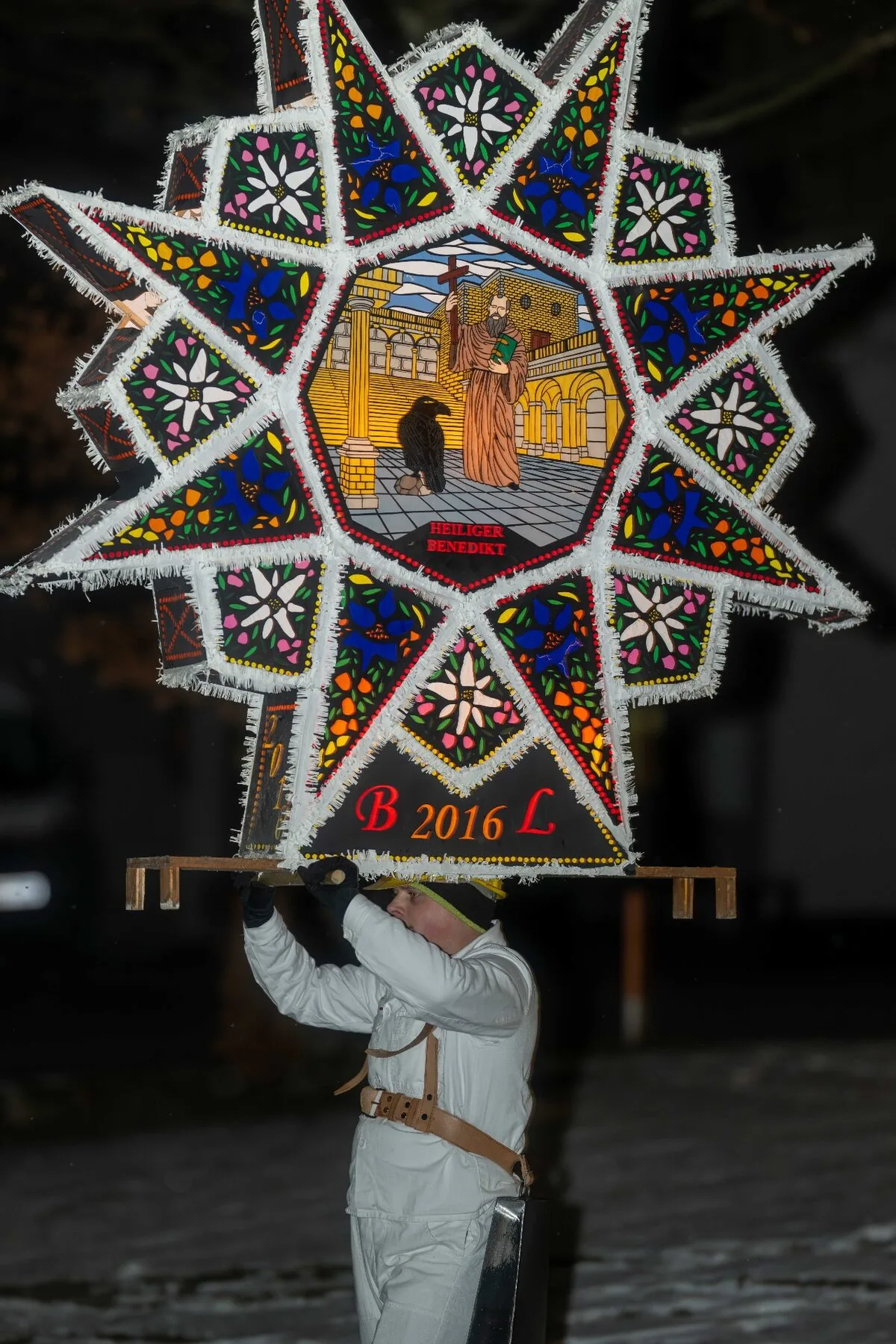
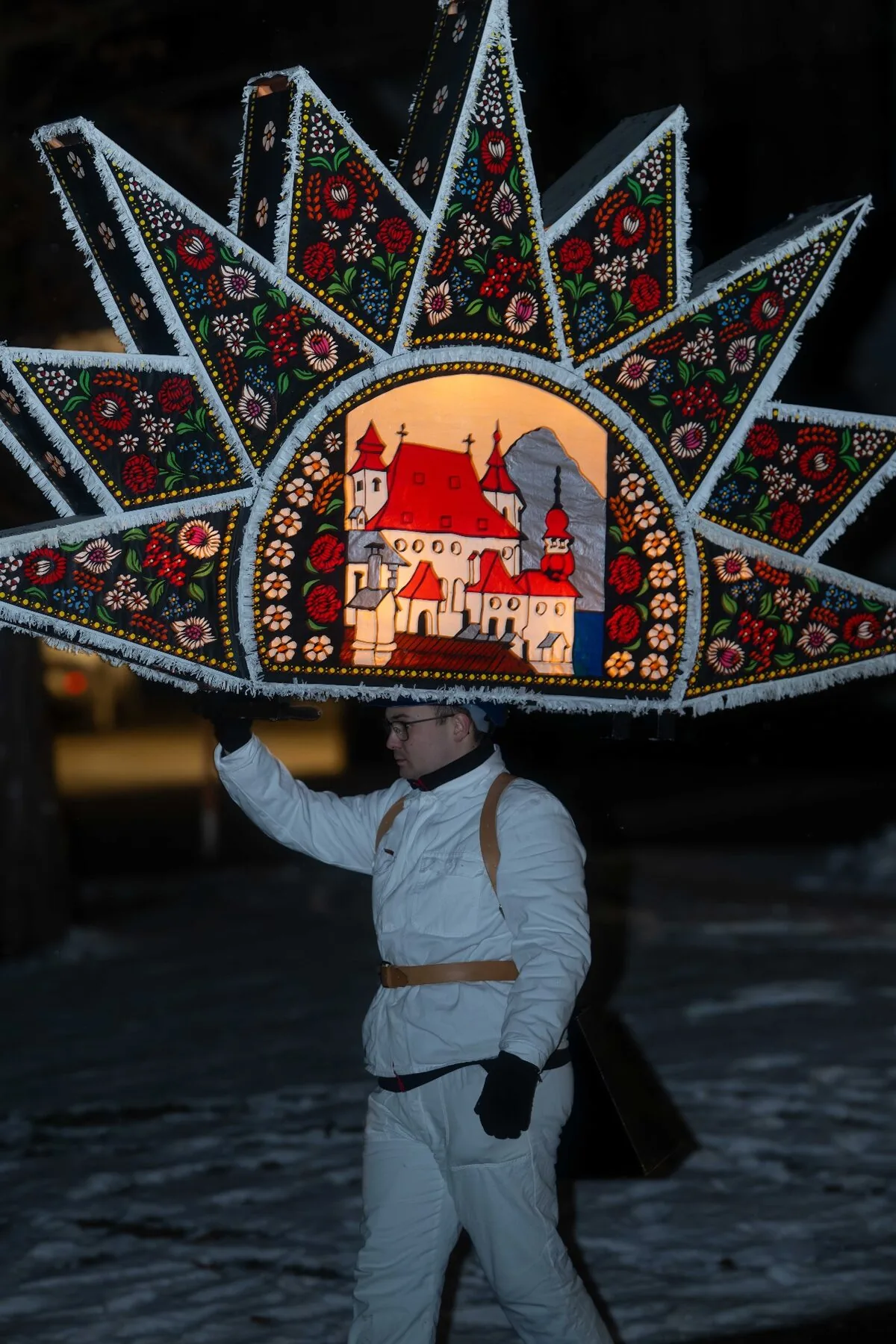
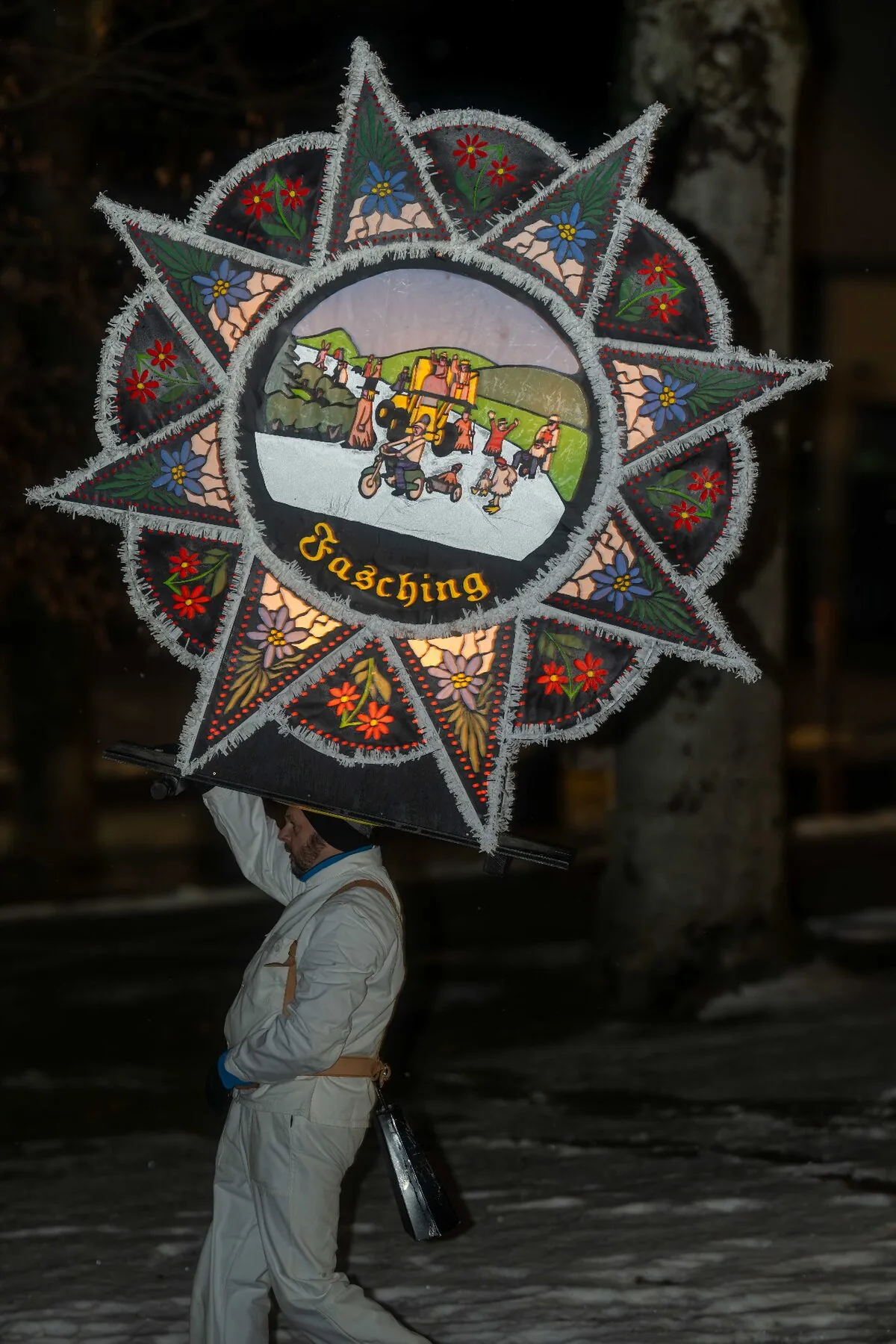
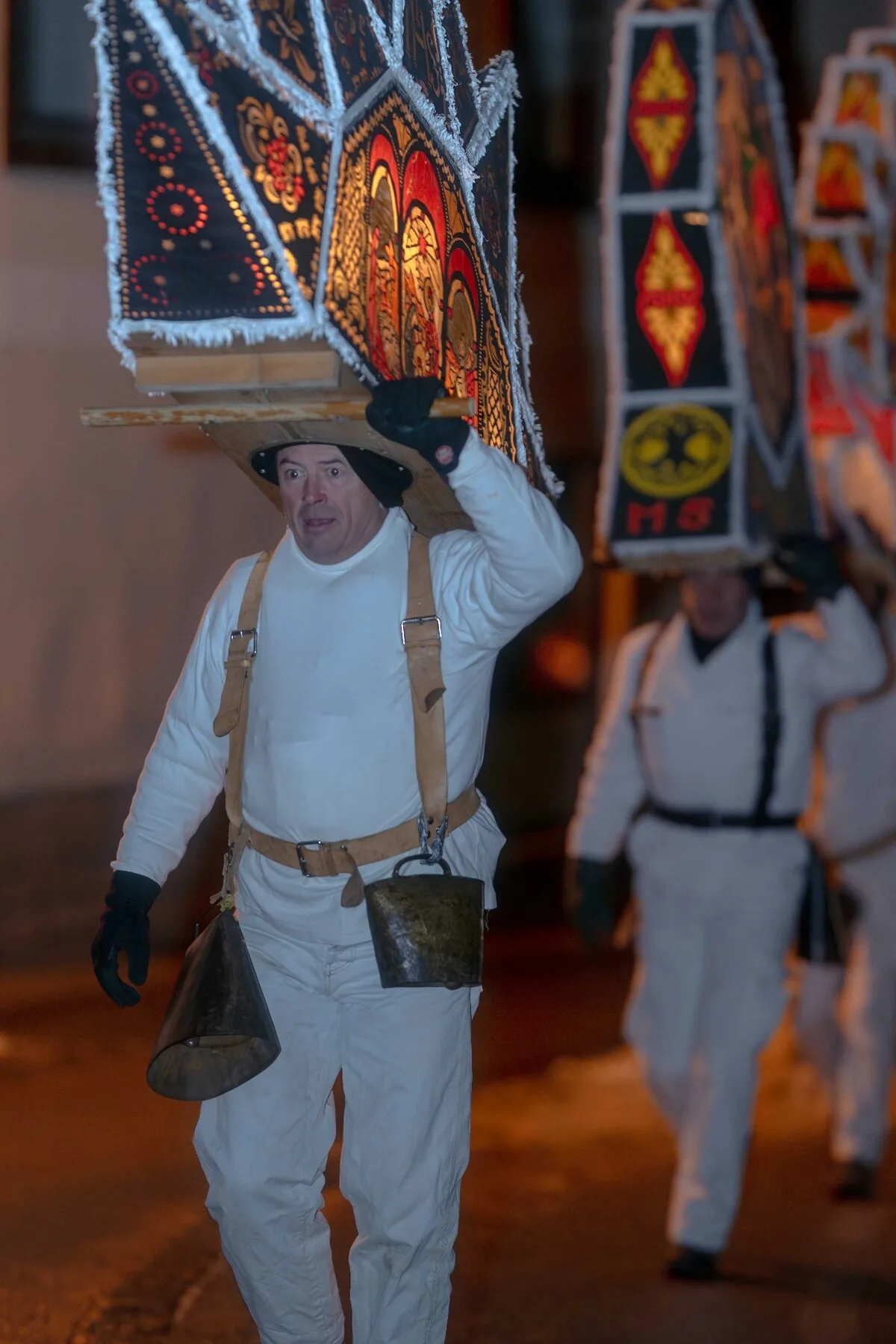
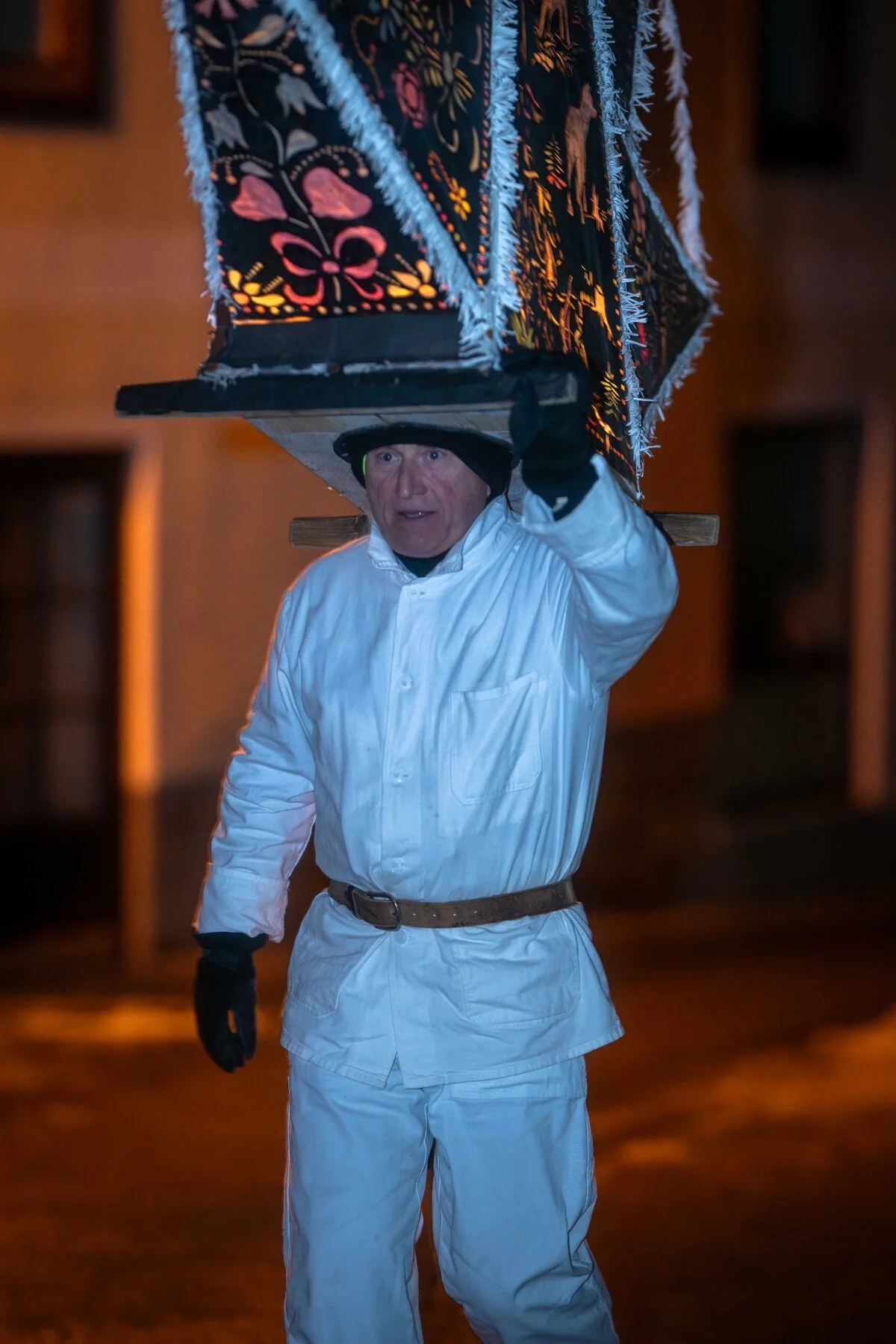
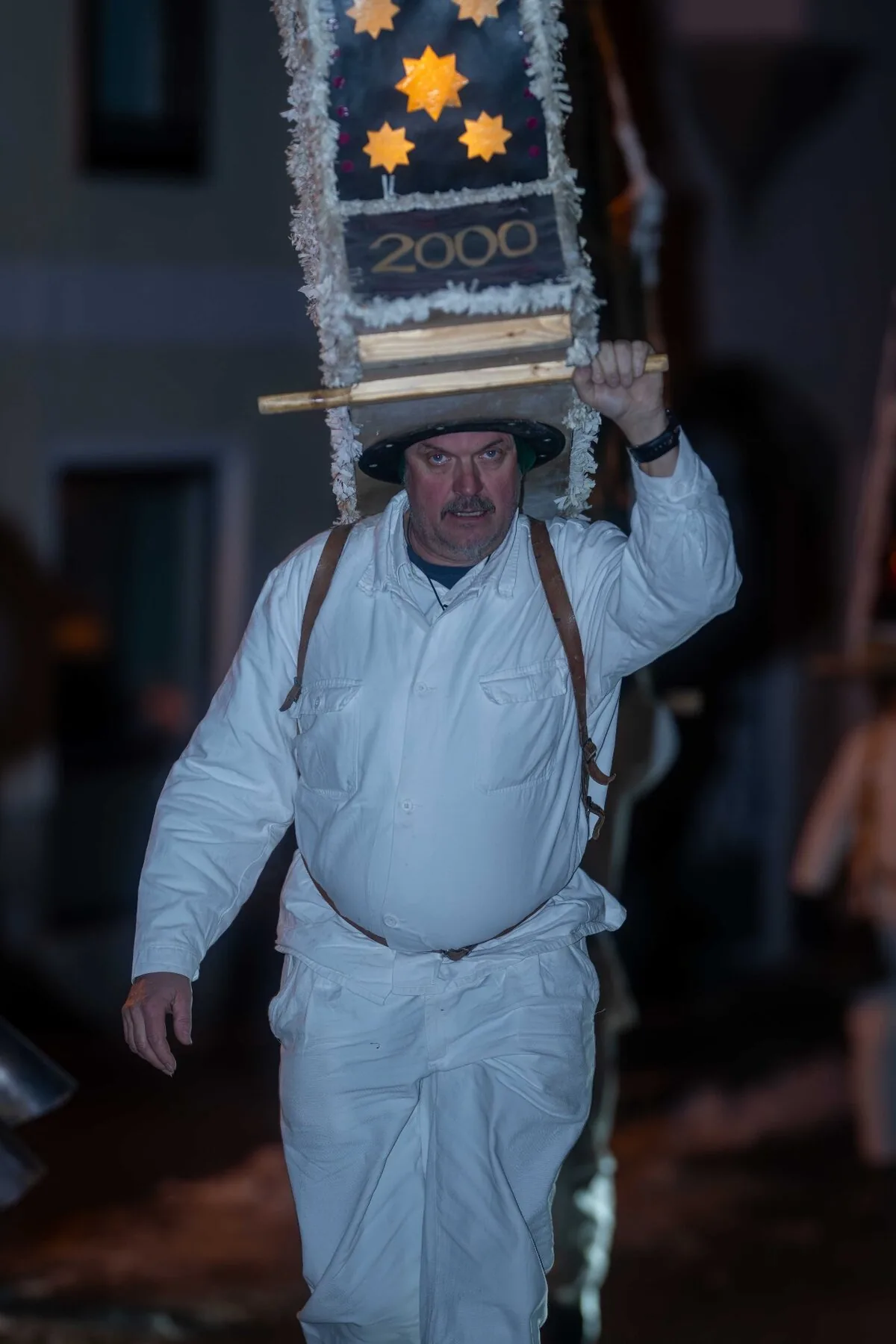
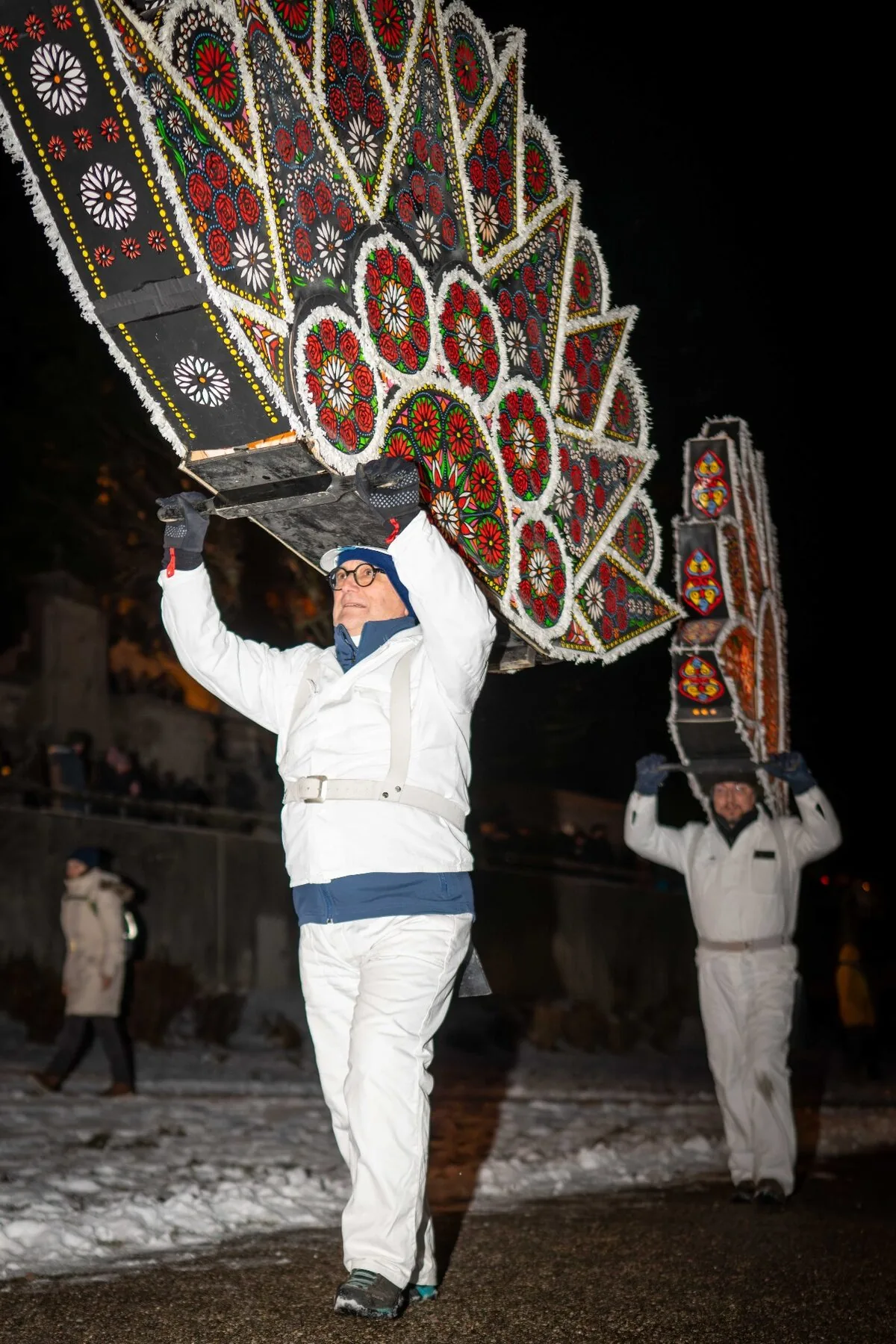
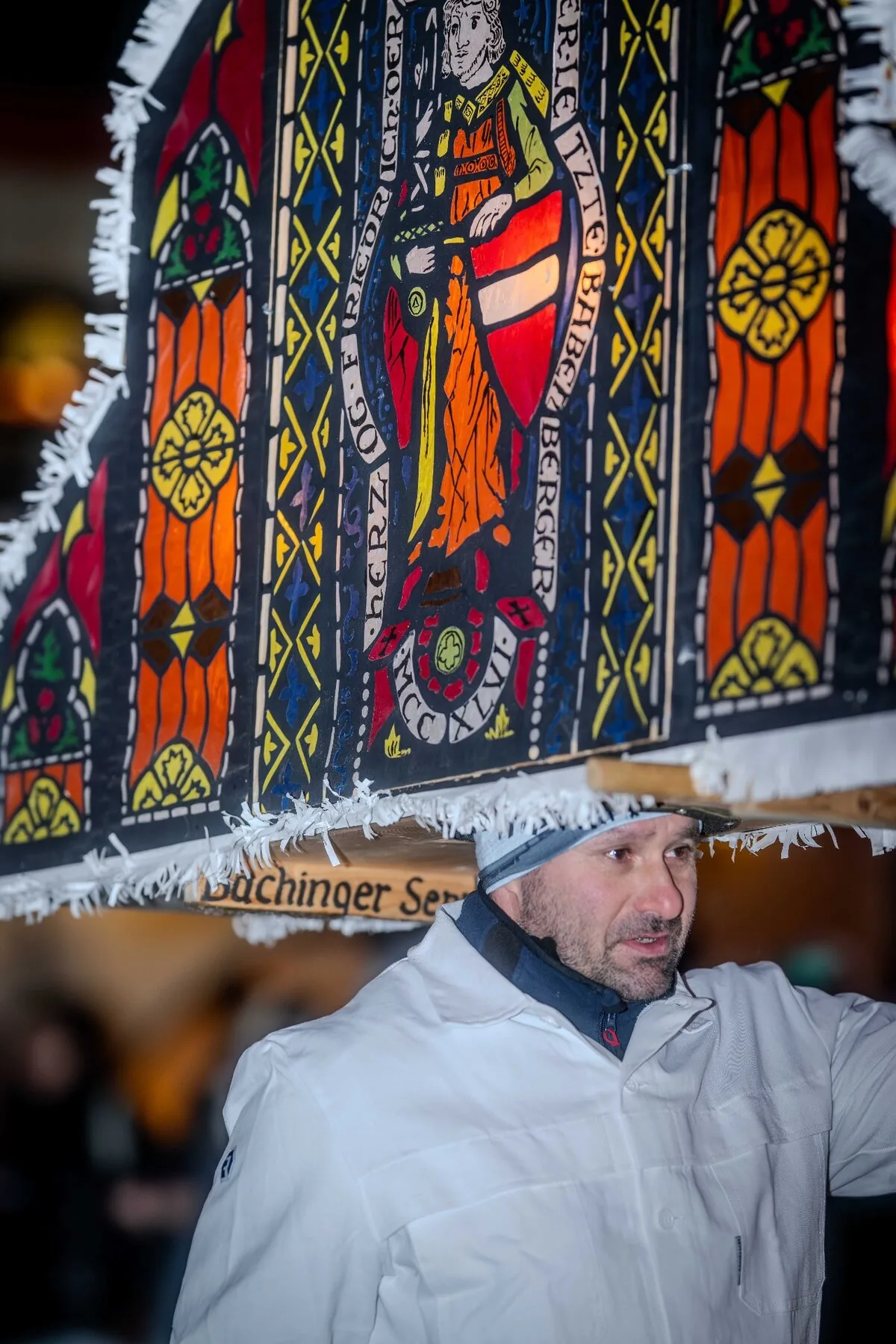
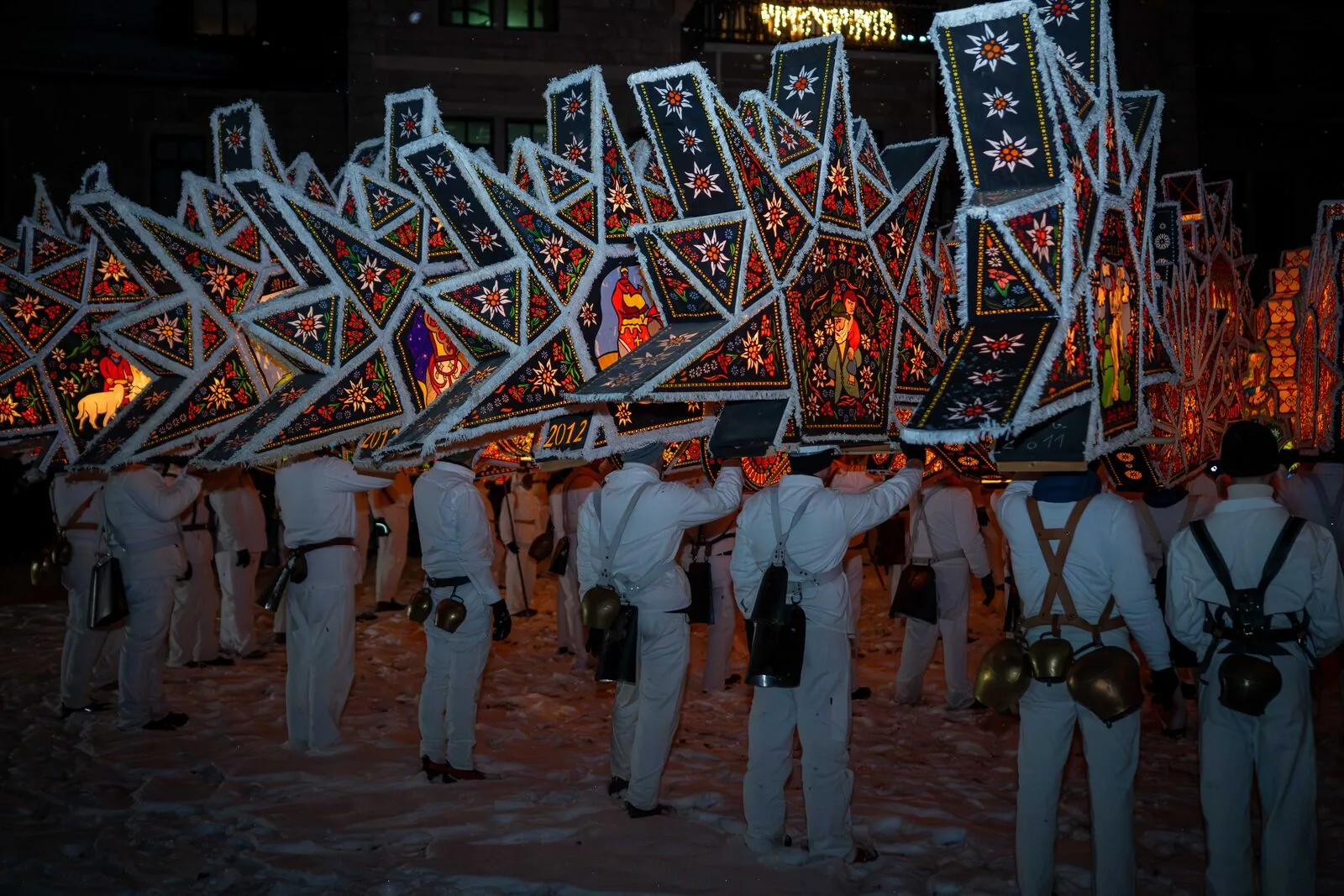
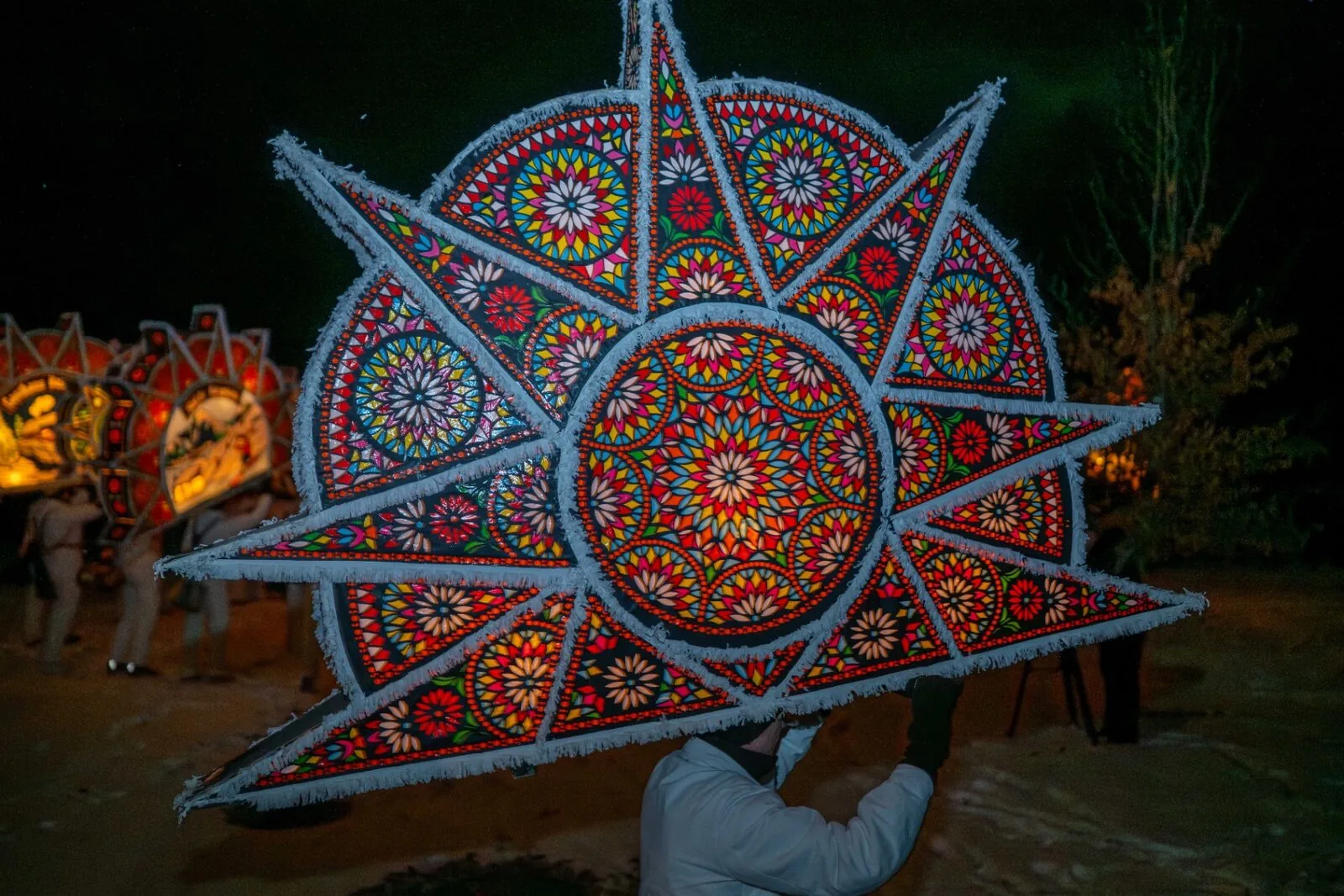
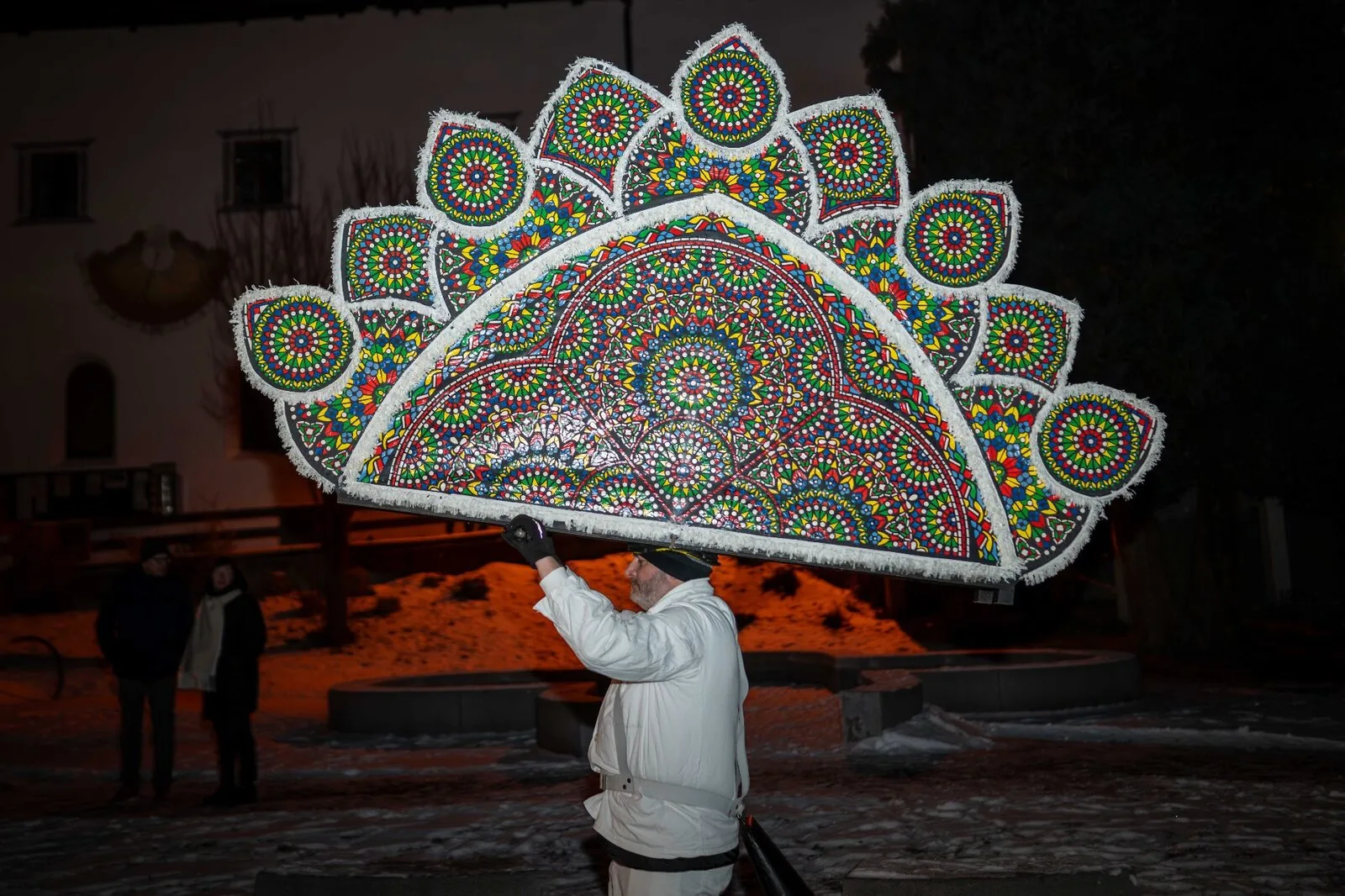
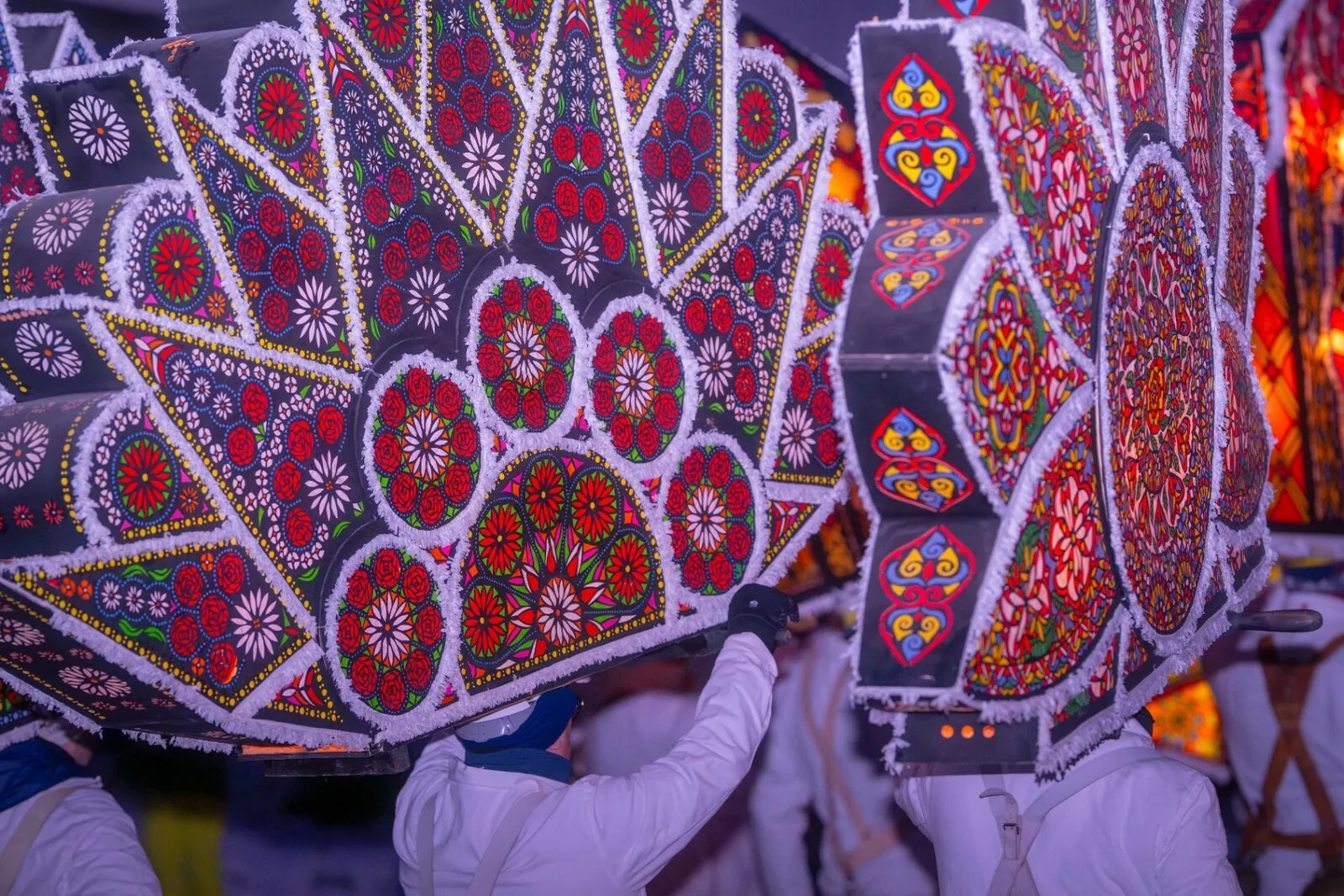
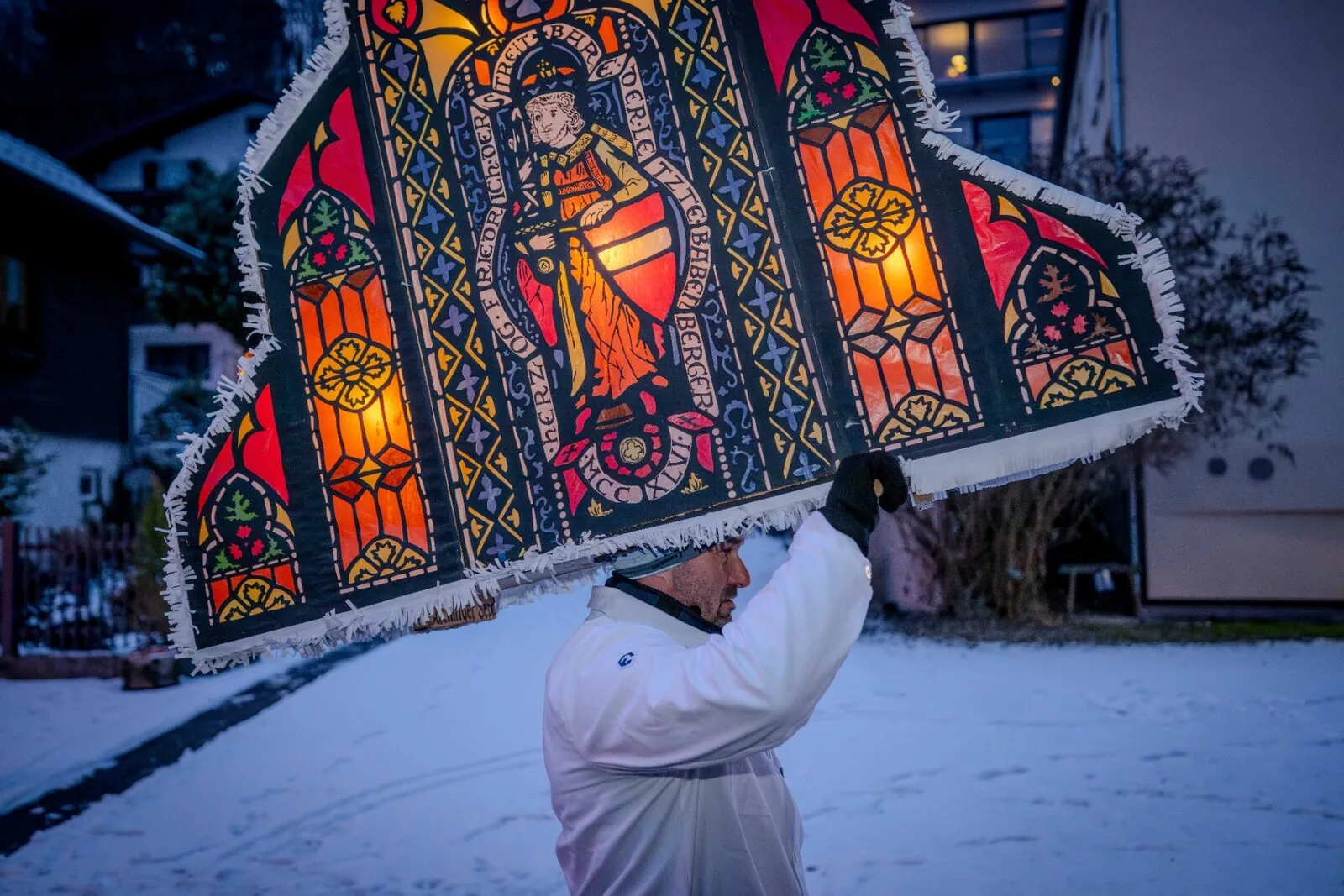
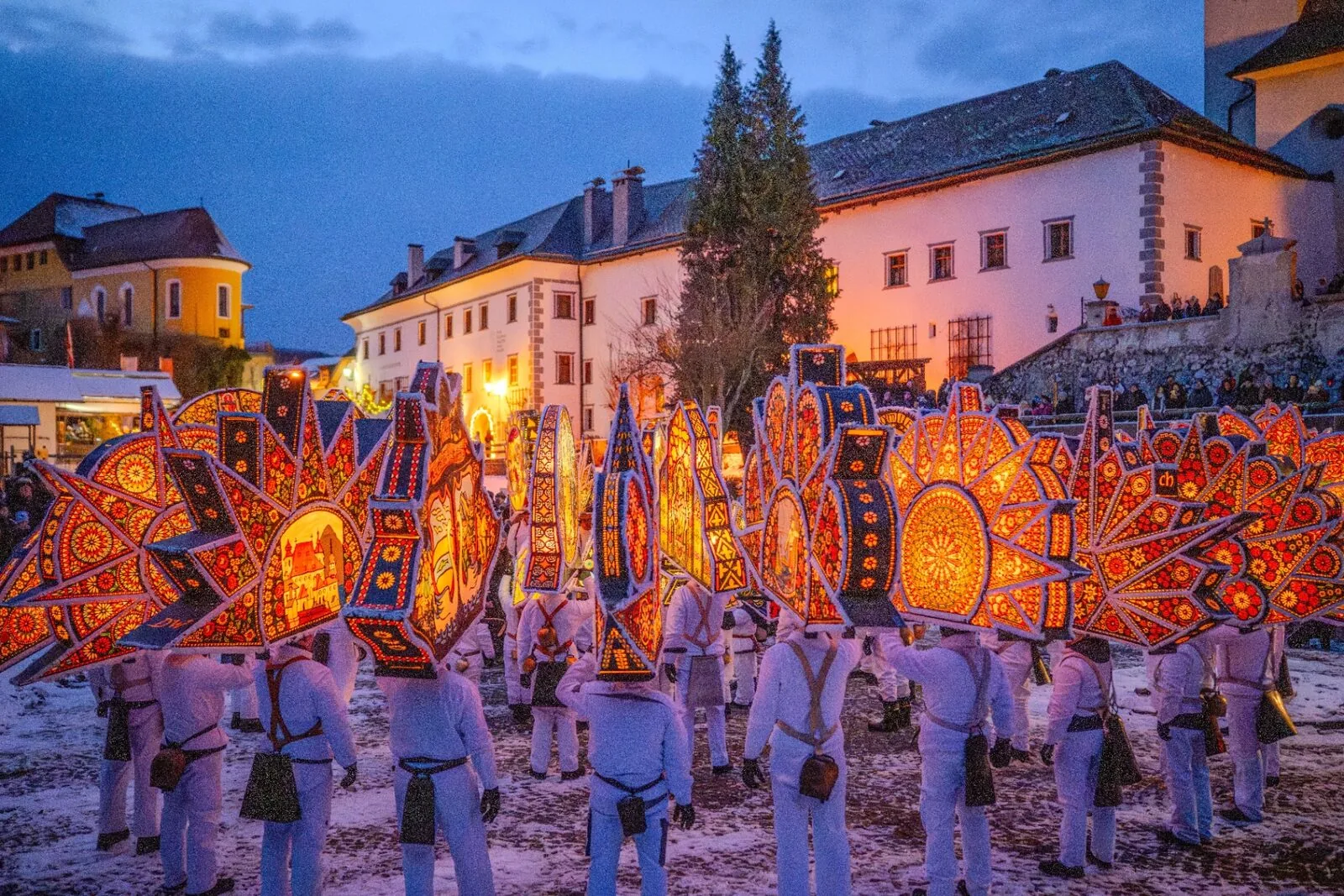
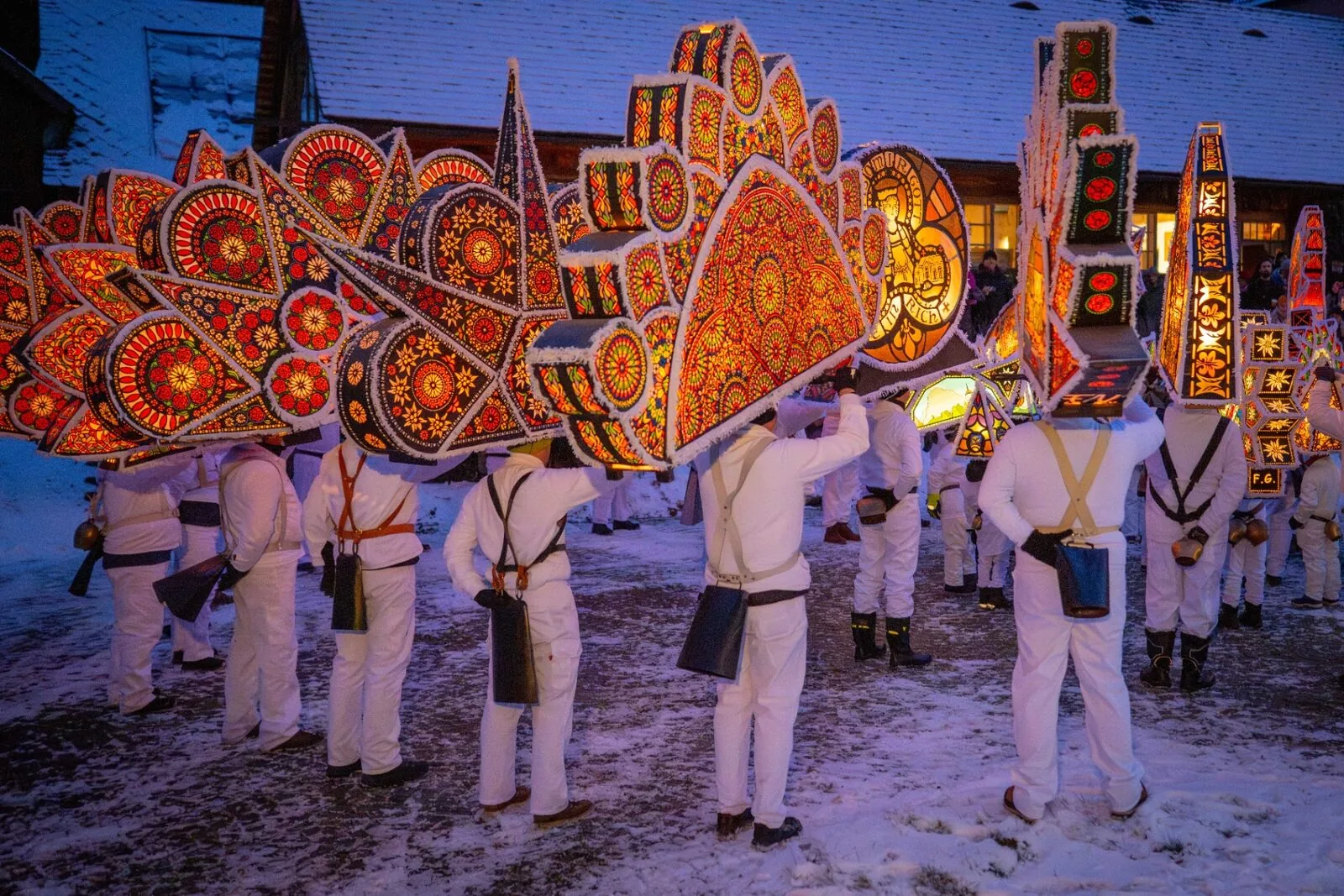
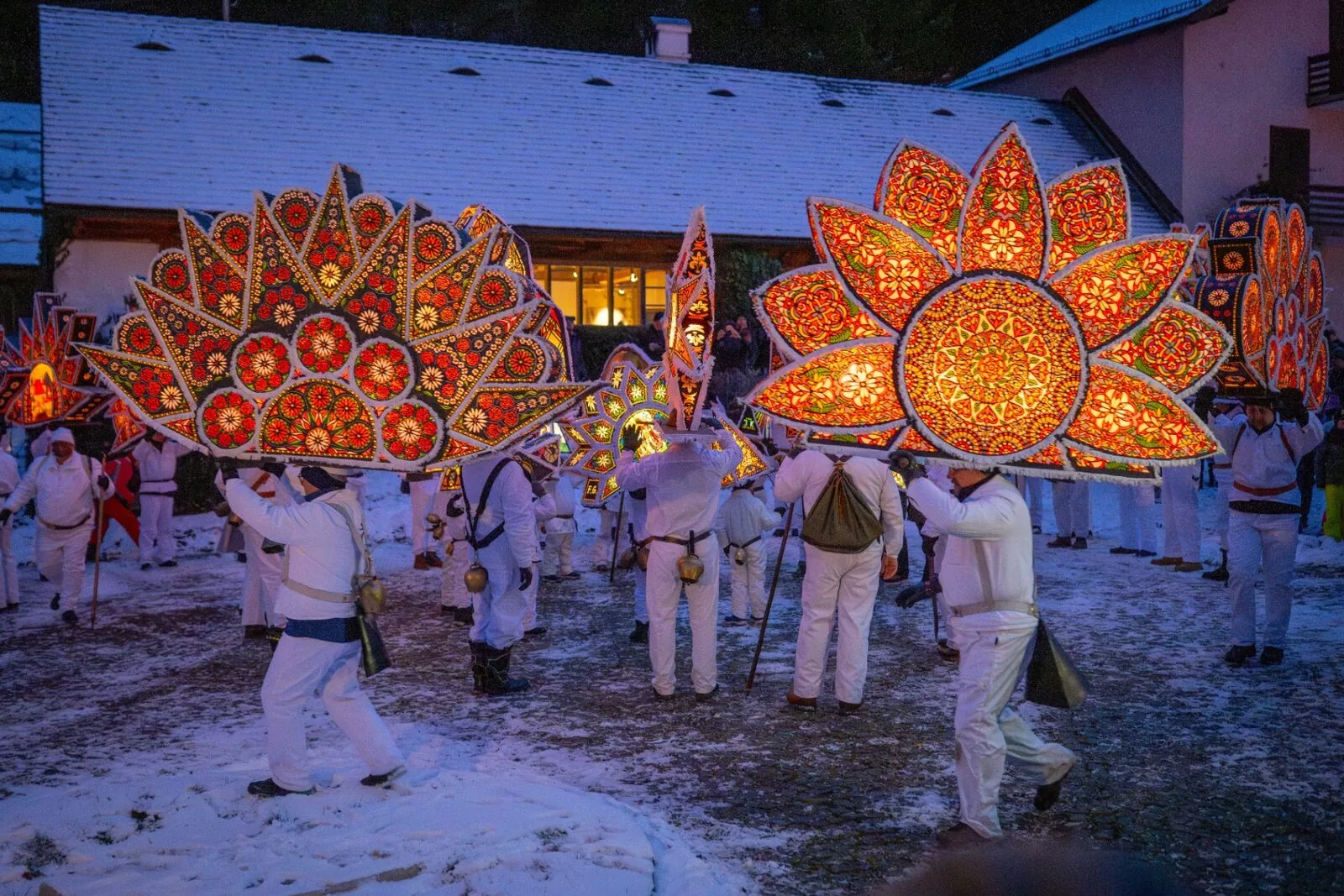
The Glöcklerlauf is one of the oldest winter customs of the Salzkammergut. Its roots reach back to pre-Christian times. The Rauhnächte – the "rough nights" – were considered a threshold time between the old and the new year, marked by darkness, uncertainty, and hope alike. The steady ringing of the bells, the calm step, and the light of the artfully crafted caps were meant to provide protection, drive away evil, and bless the new year.Where the Tradition Originated – and Why
The Glöcklerlauf originated in the inner-alpine region of Upper Austria. During long winters, light was precious – both physically and symbolically. Communal rituals provided stability and orientation. To this day, the procession follows fixed rules: closed groups, steady steps, no calling. The power lies in repetition.Passen – The Heart of the Glöcklerlauf
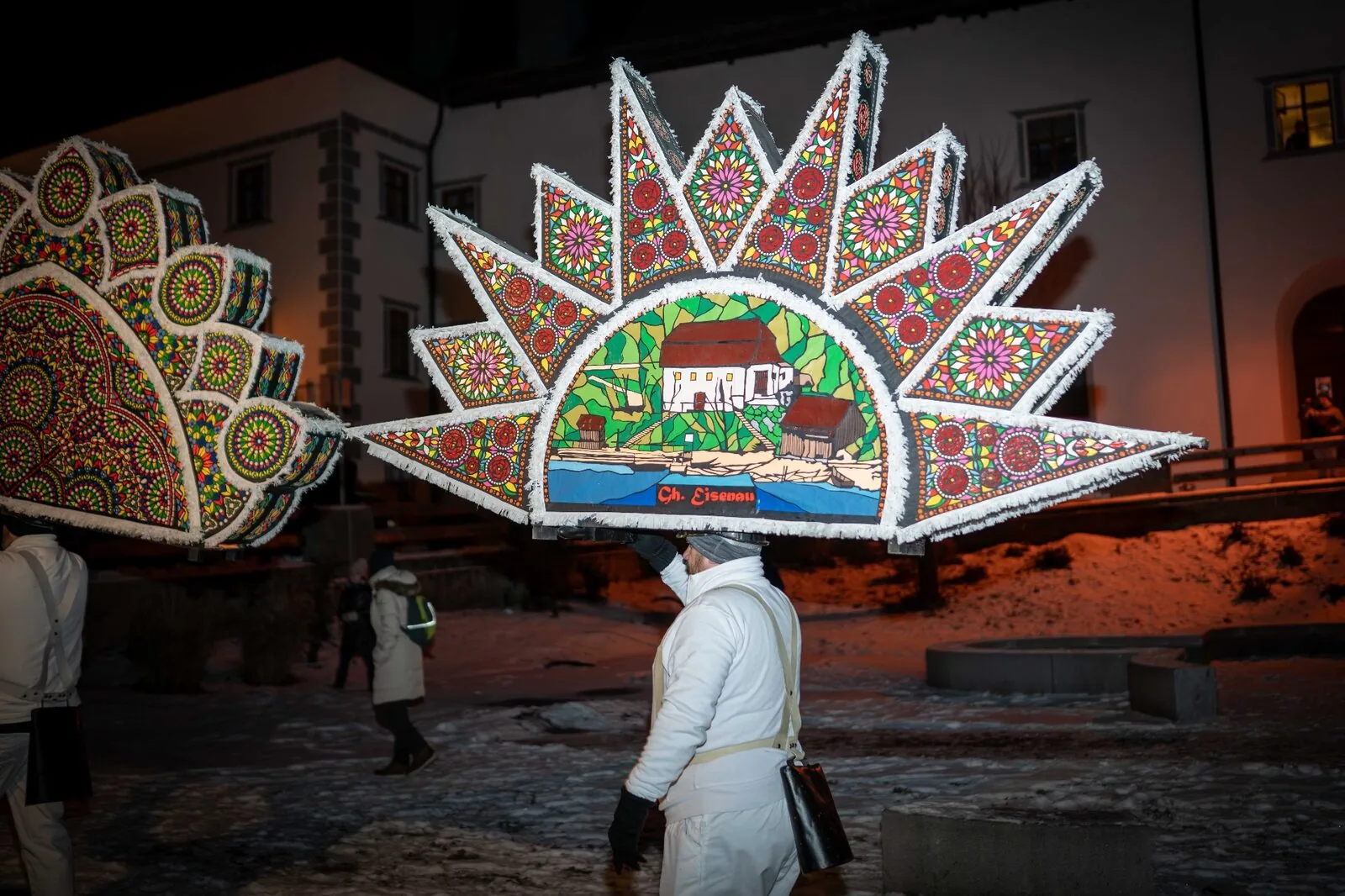
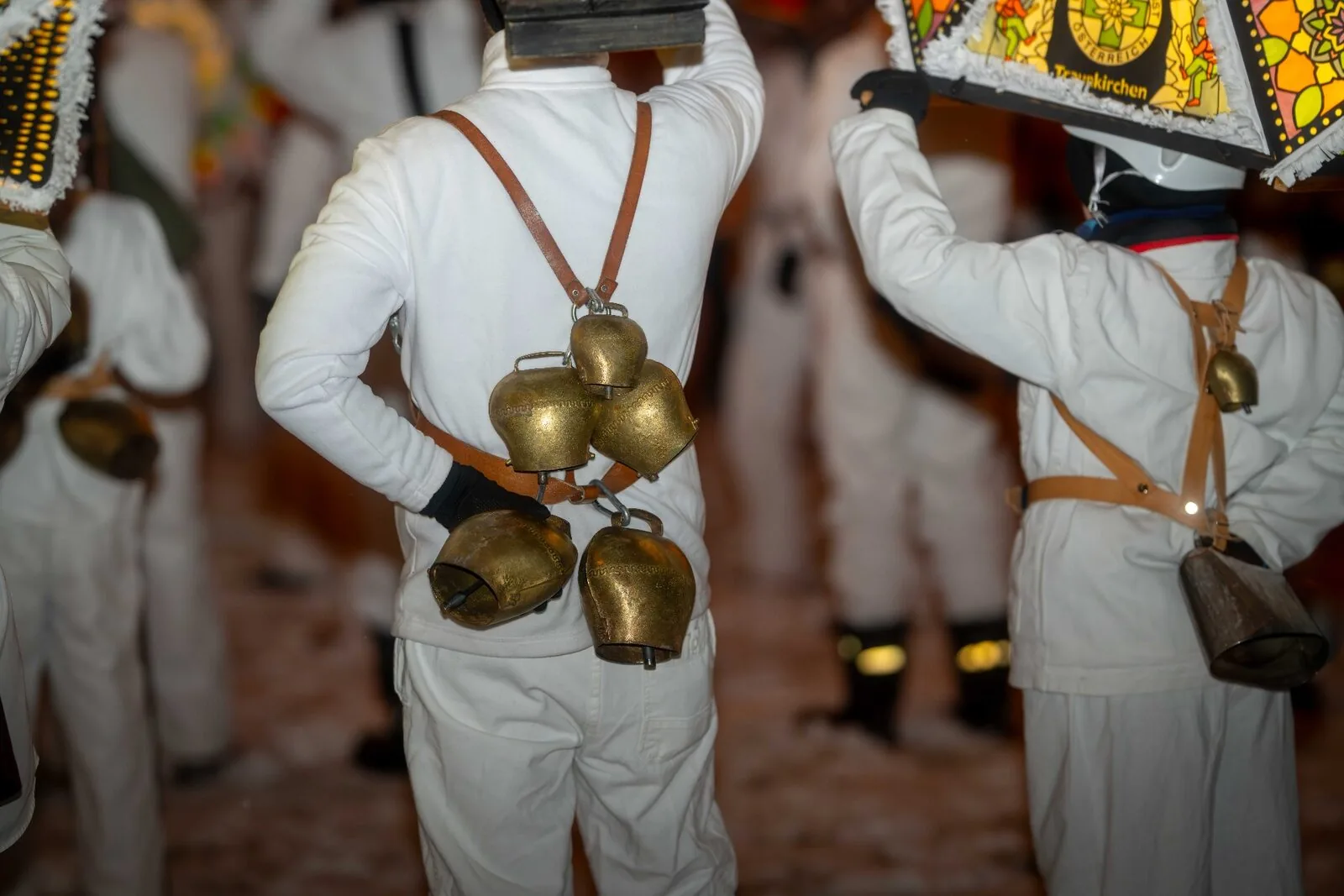
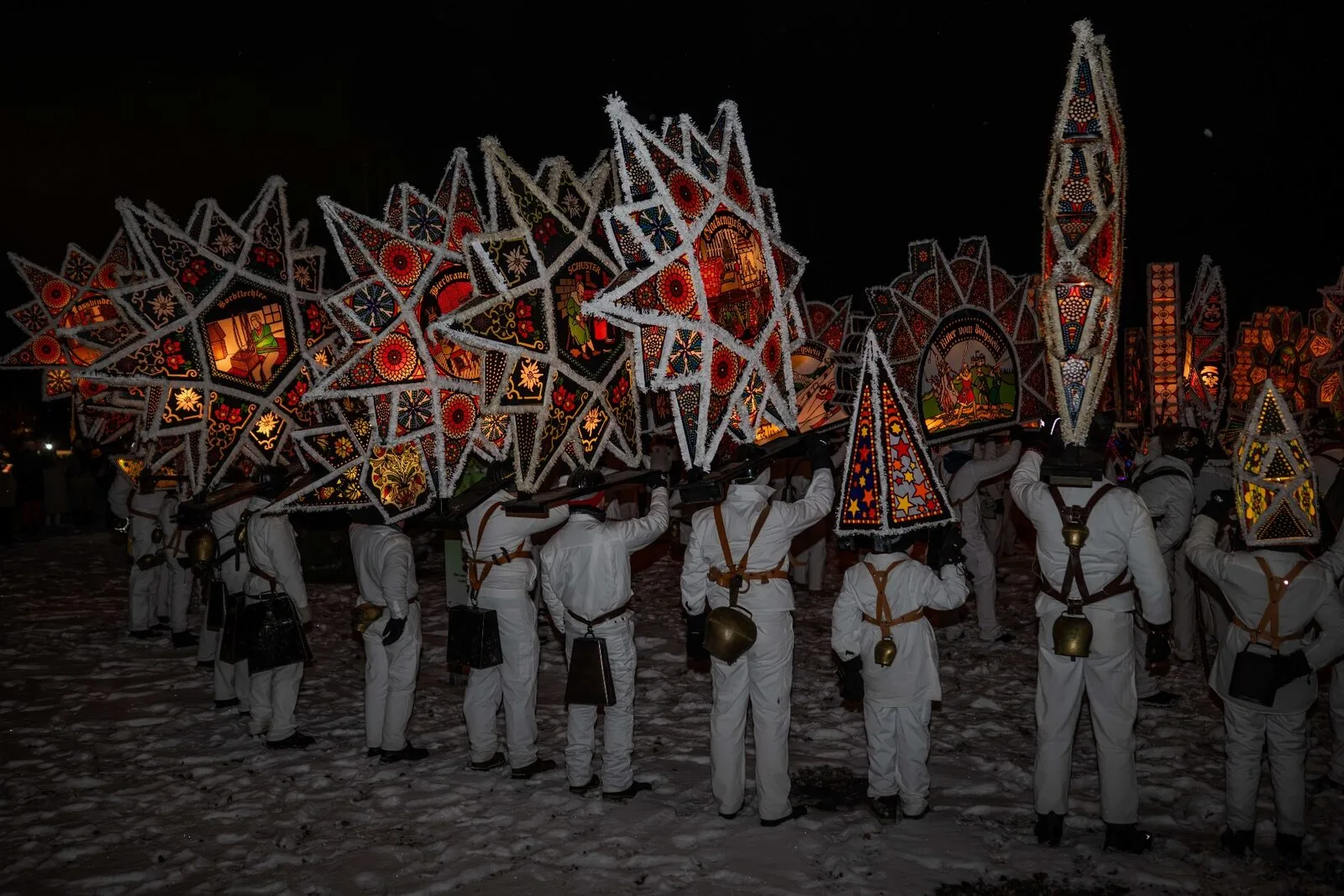
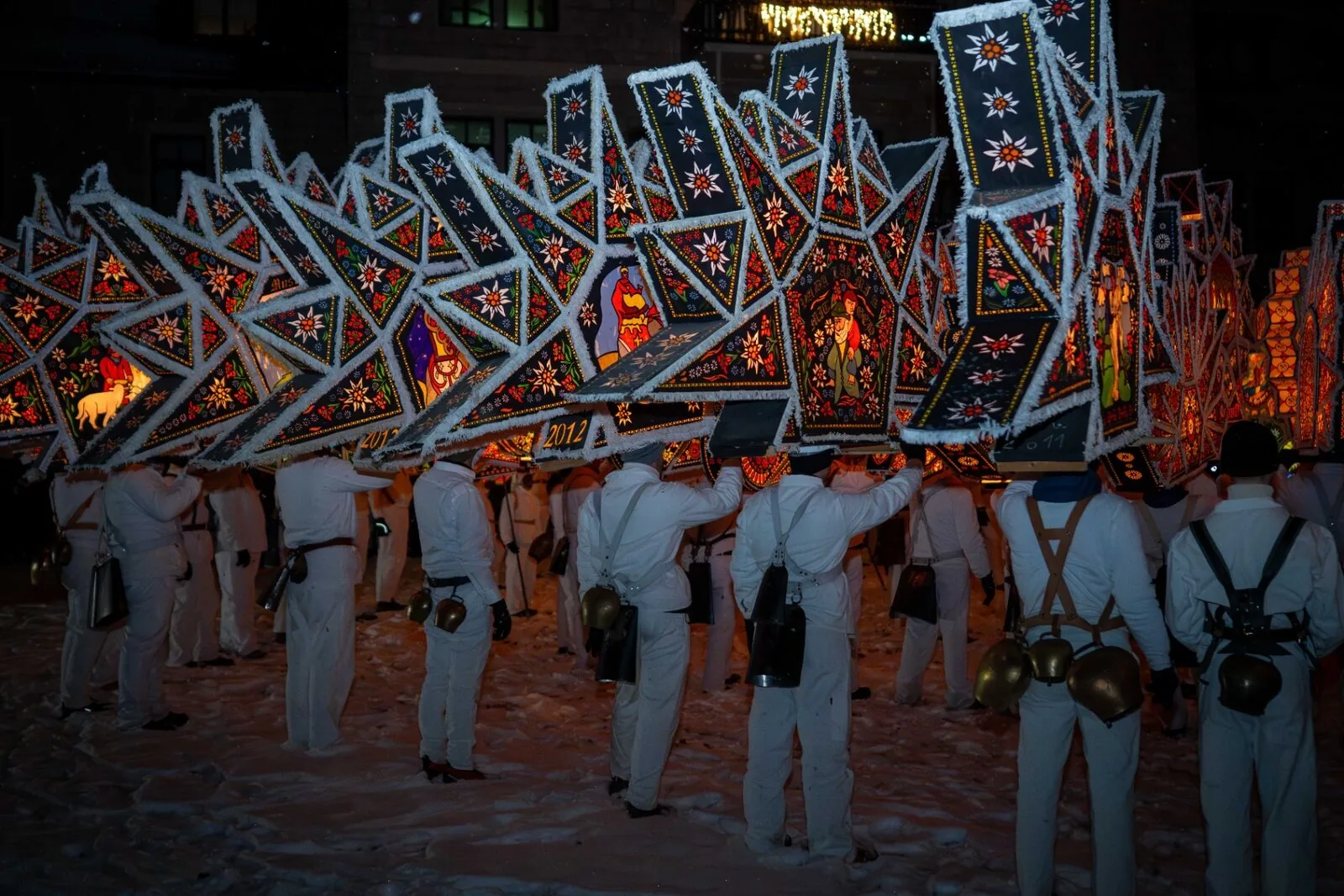
Central to the Glöcklerlauf are the Passen – groups of Glöckler who march together. Each Passe has its own caps, bells, and identity, often passed down through generations. The ringing is coordinated, the movement calm and unified. Diversity within a shared order.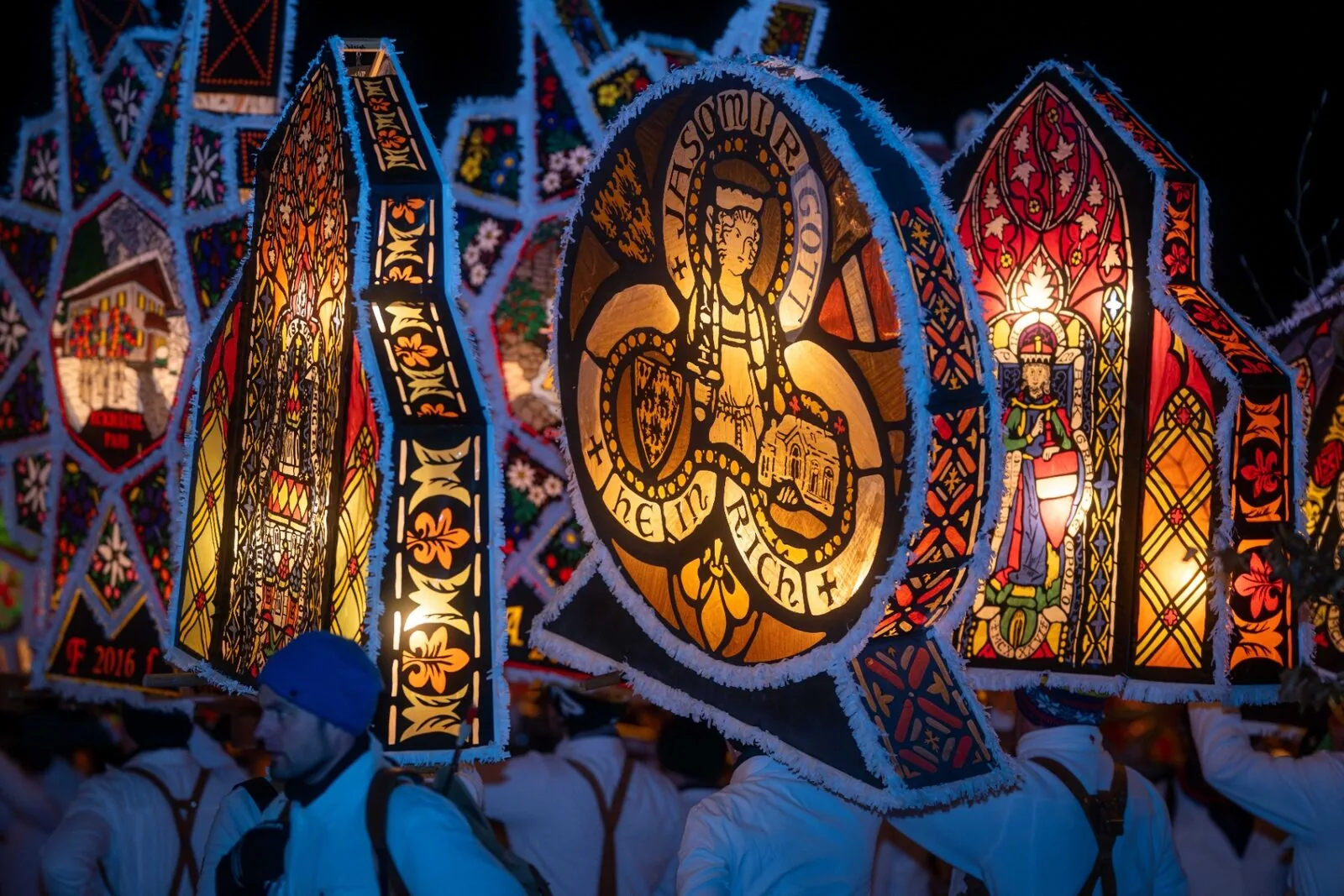
The Glöcklerlauf in Traunkirchen
On January 5, 2026, the Passen move quietly through the village. Around 5:00 PM, some gather in front of the Traunkirchen Monastery. Monastery, ancient church, and lakeshore form an impressive backdrop, bathed in the mystical light of the fading blue hour. Bells, song, and slow movements merge into an archaic moment.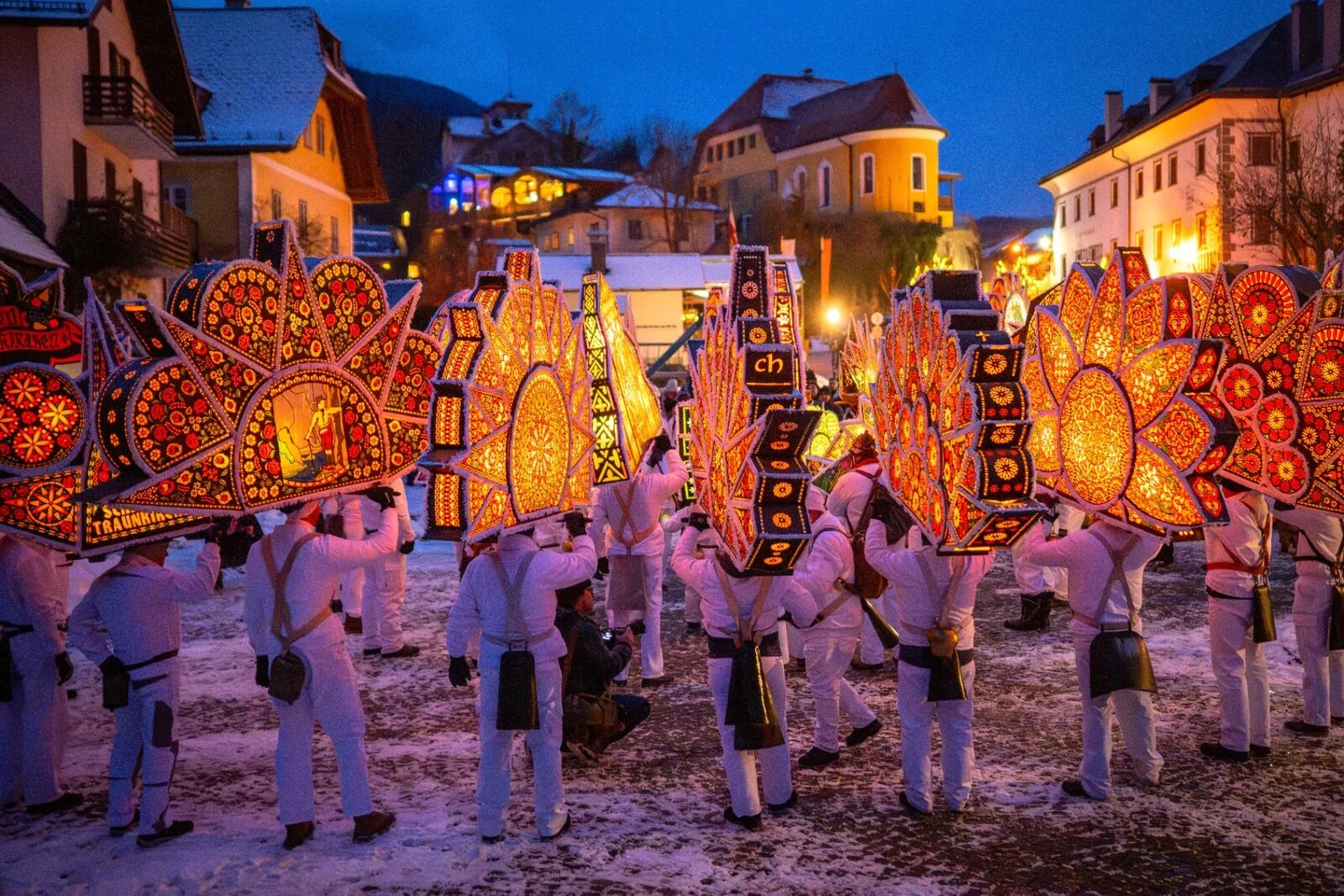
From House to House
Afterwards, the Passen move from house to house, wishing "a good new year." The Glöckler are invited inside, received with conversation, warmth – and the occasional Stamperl of Schnaps. No performance, but lived community.The Climax at Buchberg
At 10:00 PM, all Passen gather at Buchberg. Over 200 Glöckler stand in the dark winter night, illuminated only by the light of their caps and the deep ringing of the bells. When old melodies are sung, a moment emerges that touches deeply – mystical, magical, and unique.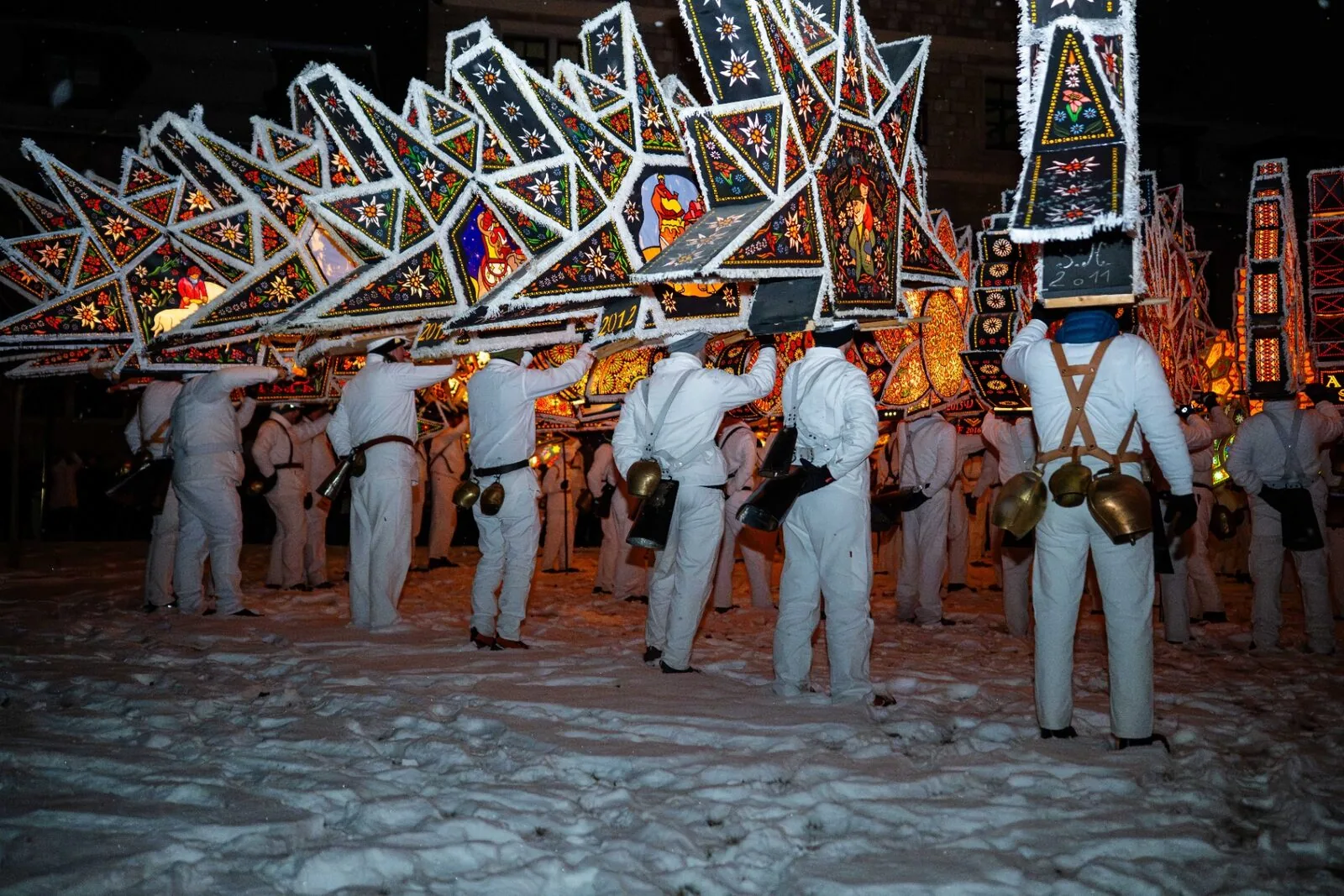
Tips & Recommendations
🏨 Stay & Enjoy: Hotel Post am See
Located directly in the heart of Traunkirchen, this 4-star superior hotel offers a beautiful wellness area with views of Lake Traunsee and refined cuisine with a regional focus – ideal for letting the evening after the Glöcklerlauf wind down peacefully.
📍 Place & Background
Information about history, events, and traditions is provided by the municipality of Traunkirchen.
💡 Recommendation: Dress warmly, keep your distance, observe. The Glöcklerlauf unfolds its power through respect and silence.
January 5, 2026 has once again shown: Traunkirchen preserves something rare – a quiet ritual that carries light into the darkest time of the year.
In the darkest nights of the year, when silence settles over lake and mountain, light and community become the most powerful forces.