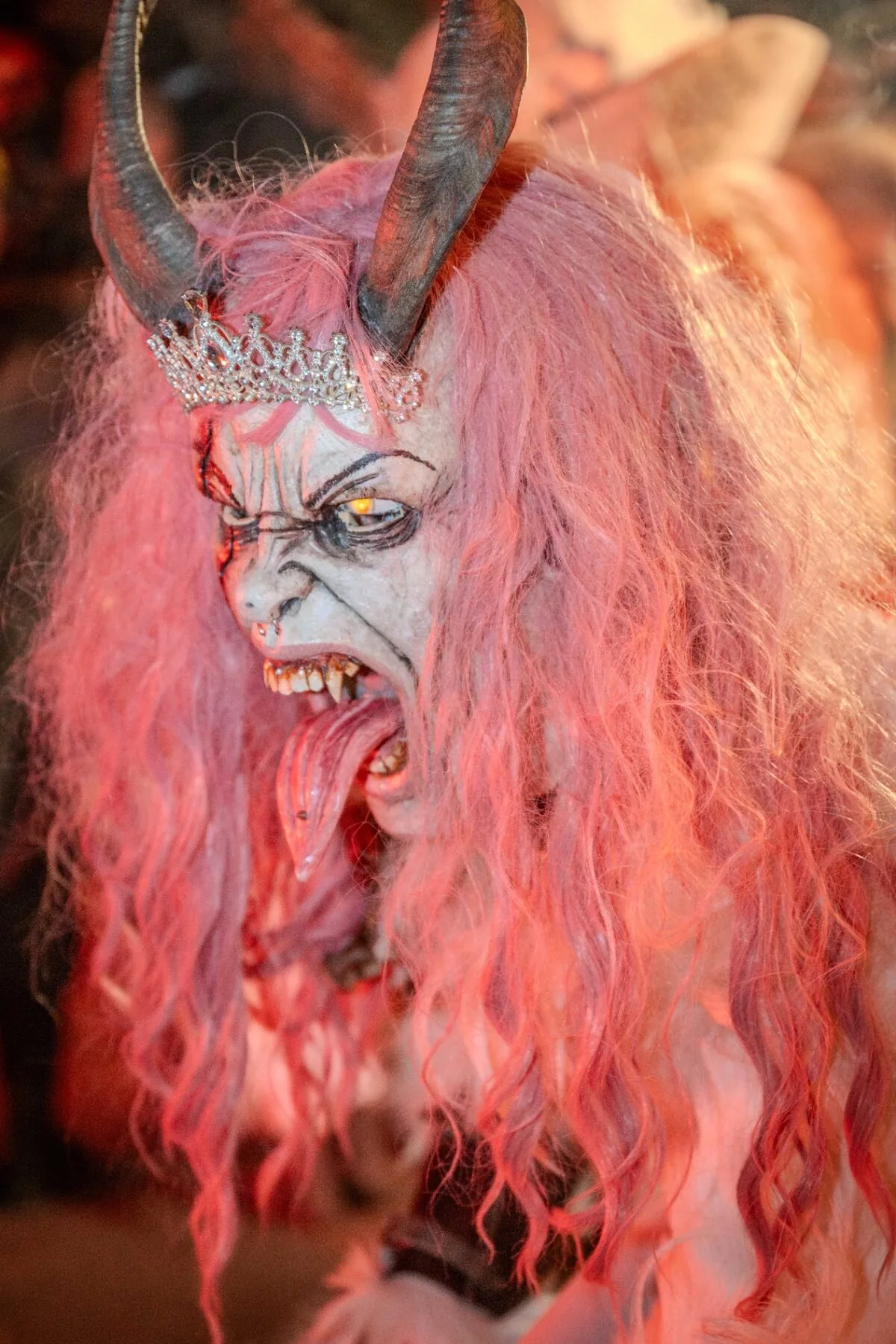
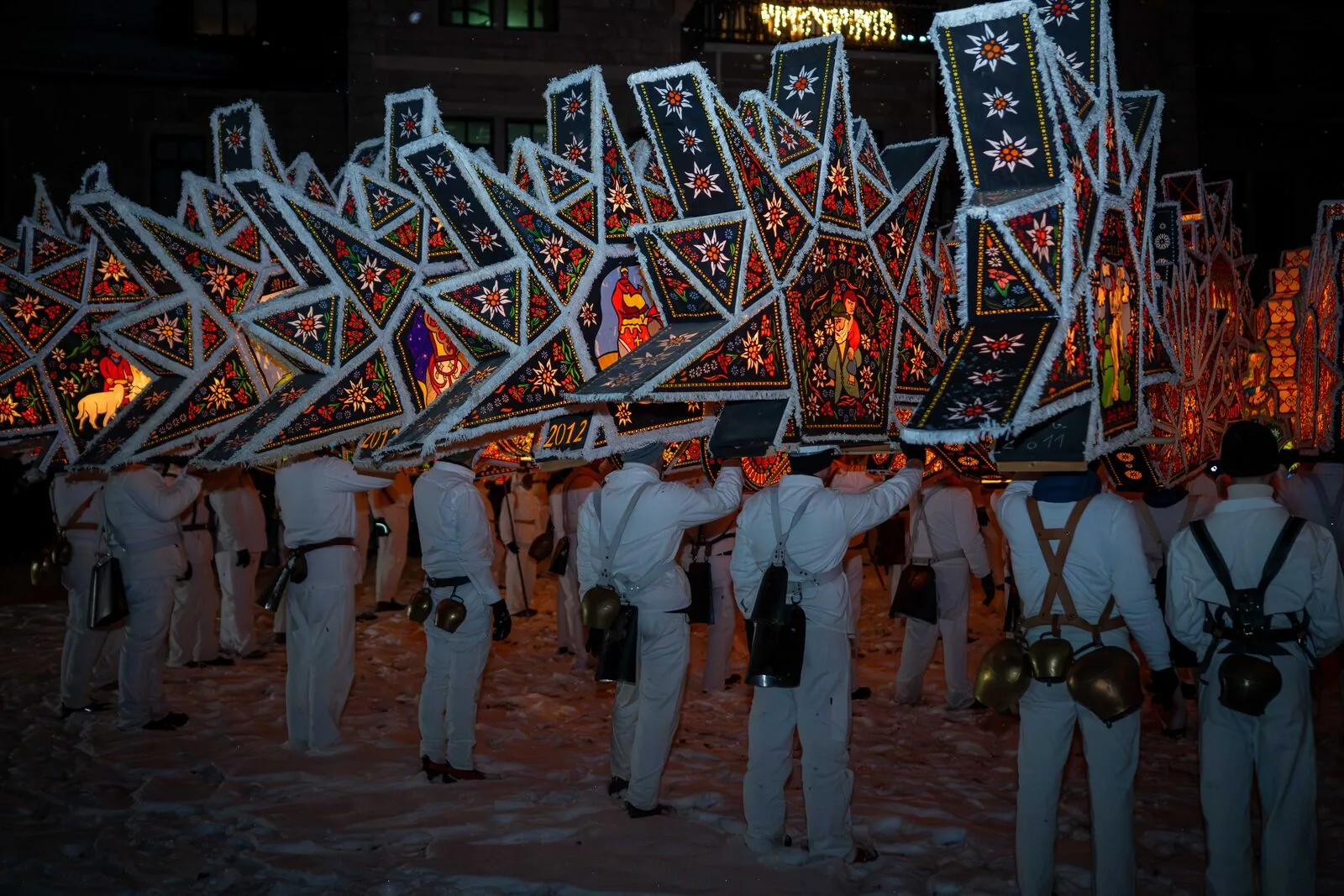
When darkness falls early in winter and the cold sharpens every sound, Central Europe reveals one of its most ancient and visceral traditions: the Krampus. This demonic companion of Saint Nicholas has been part of Alpine folklore for centuries, representing the wild, untamed forces of nature.
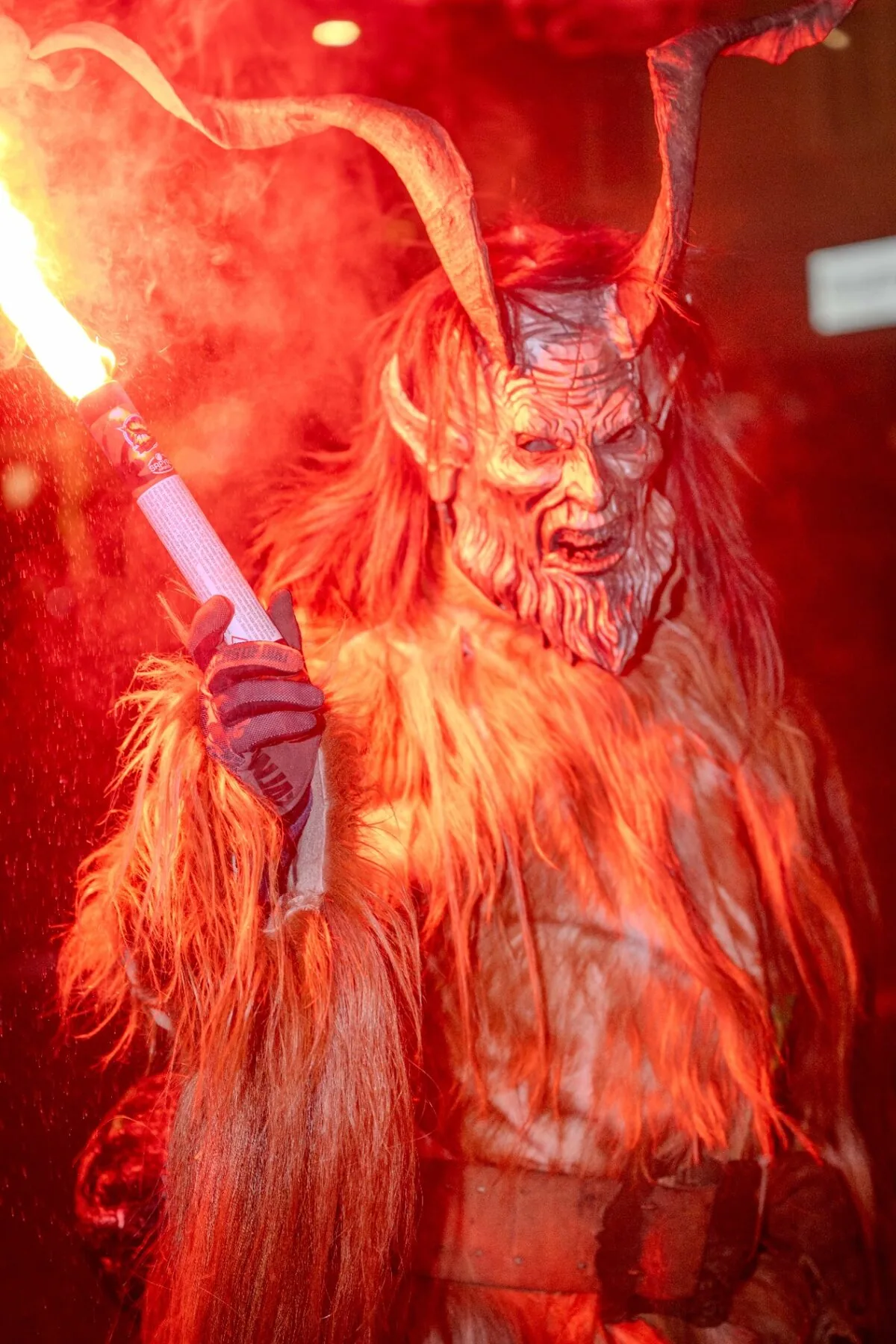
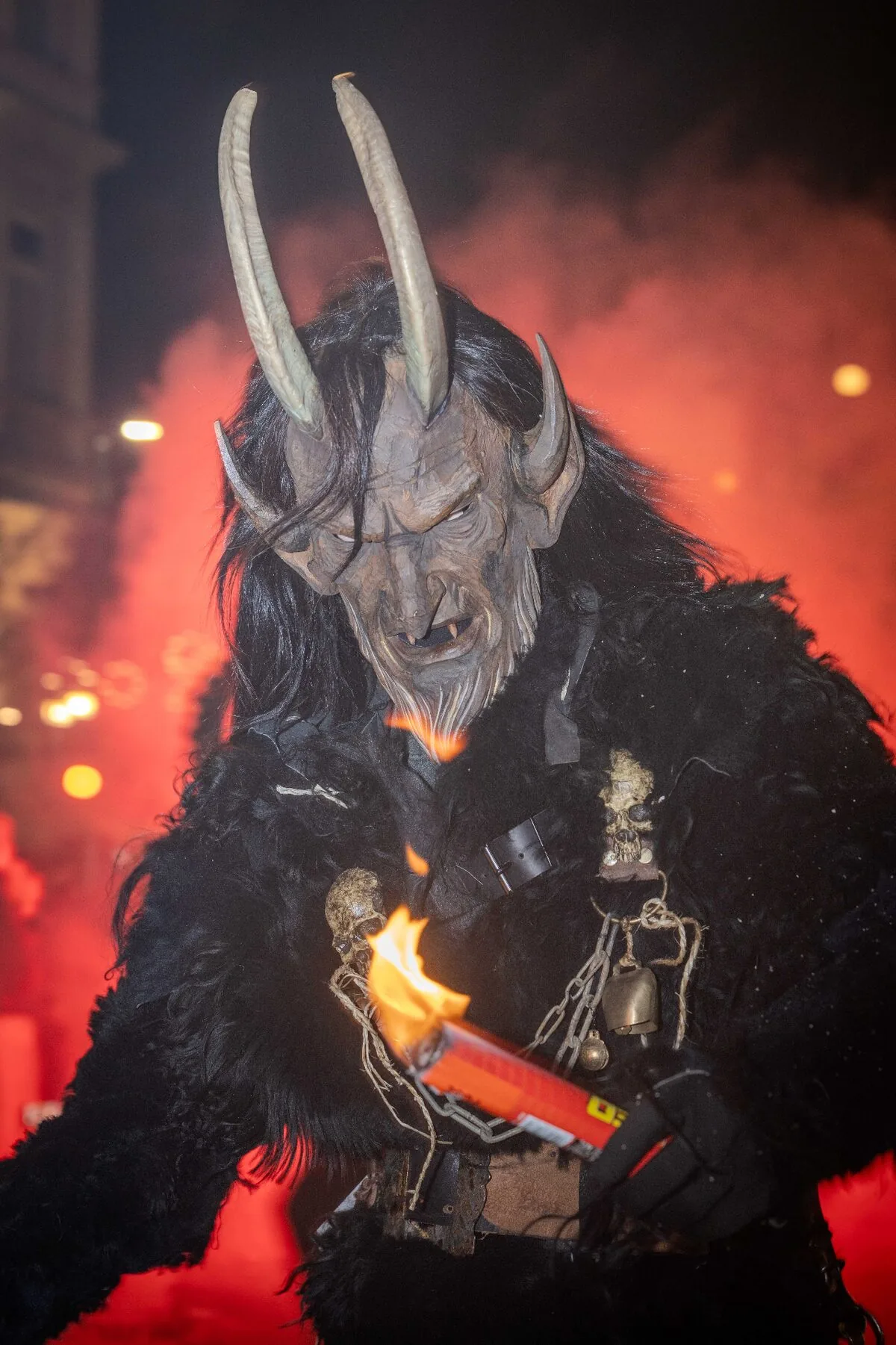
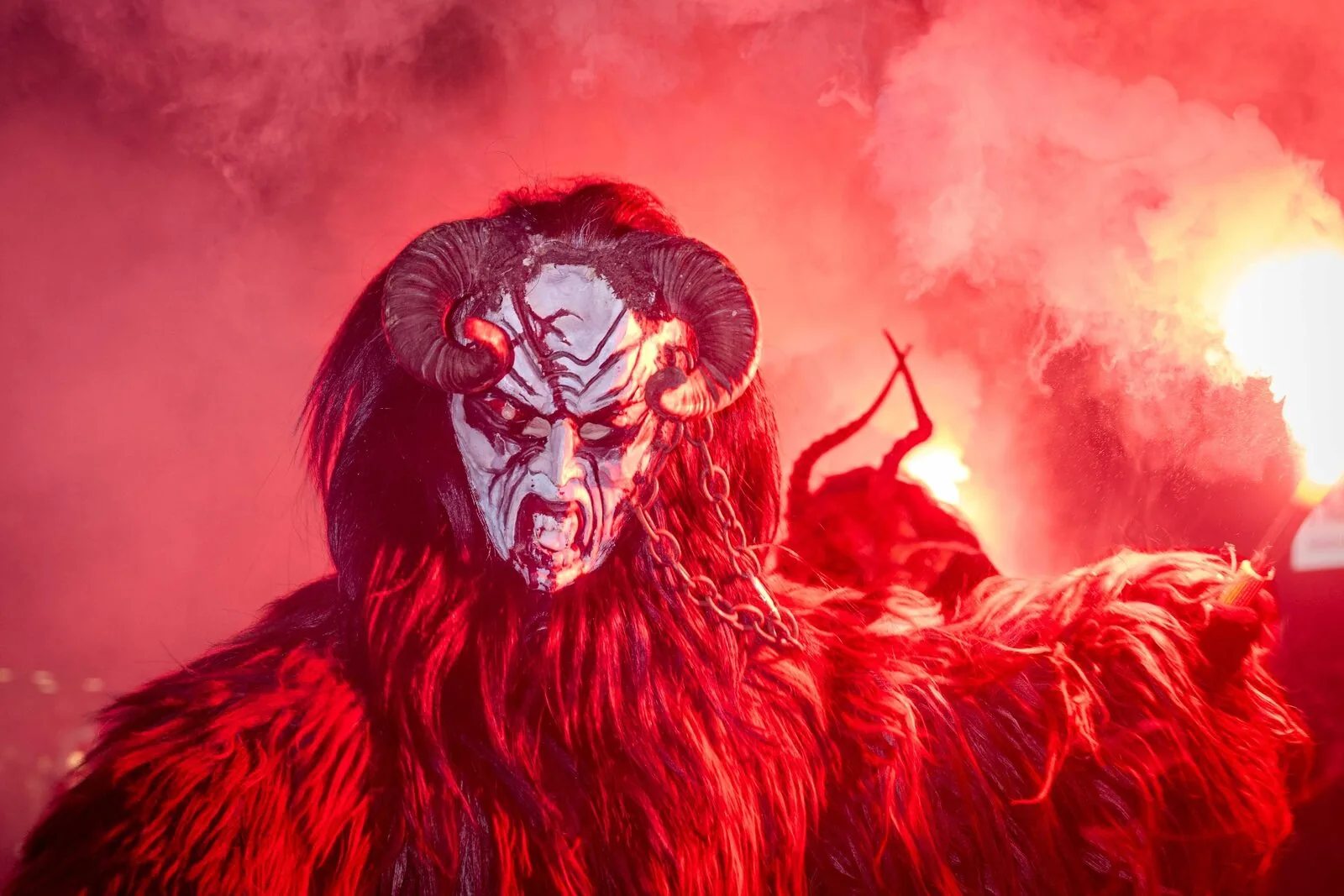
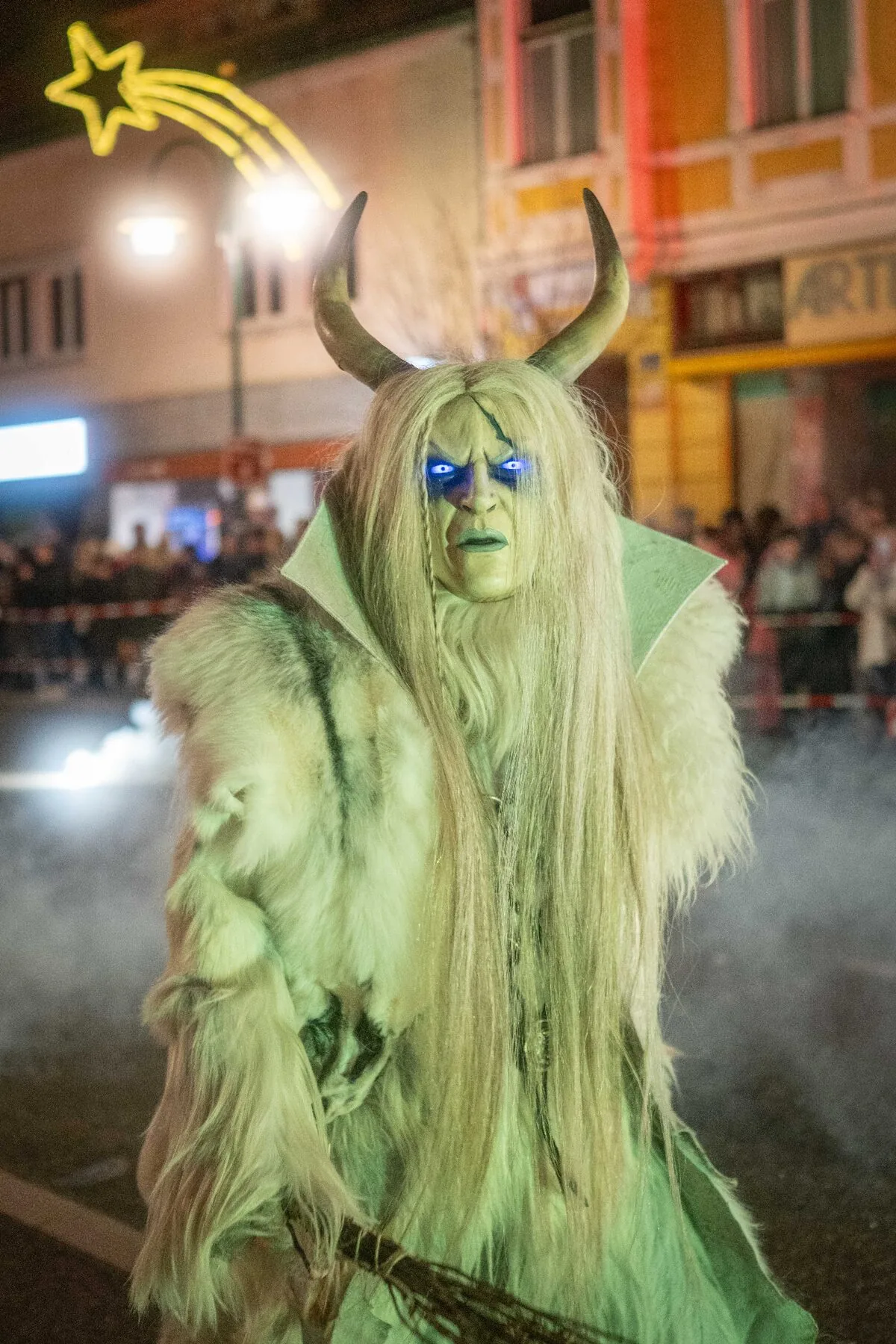
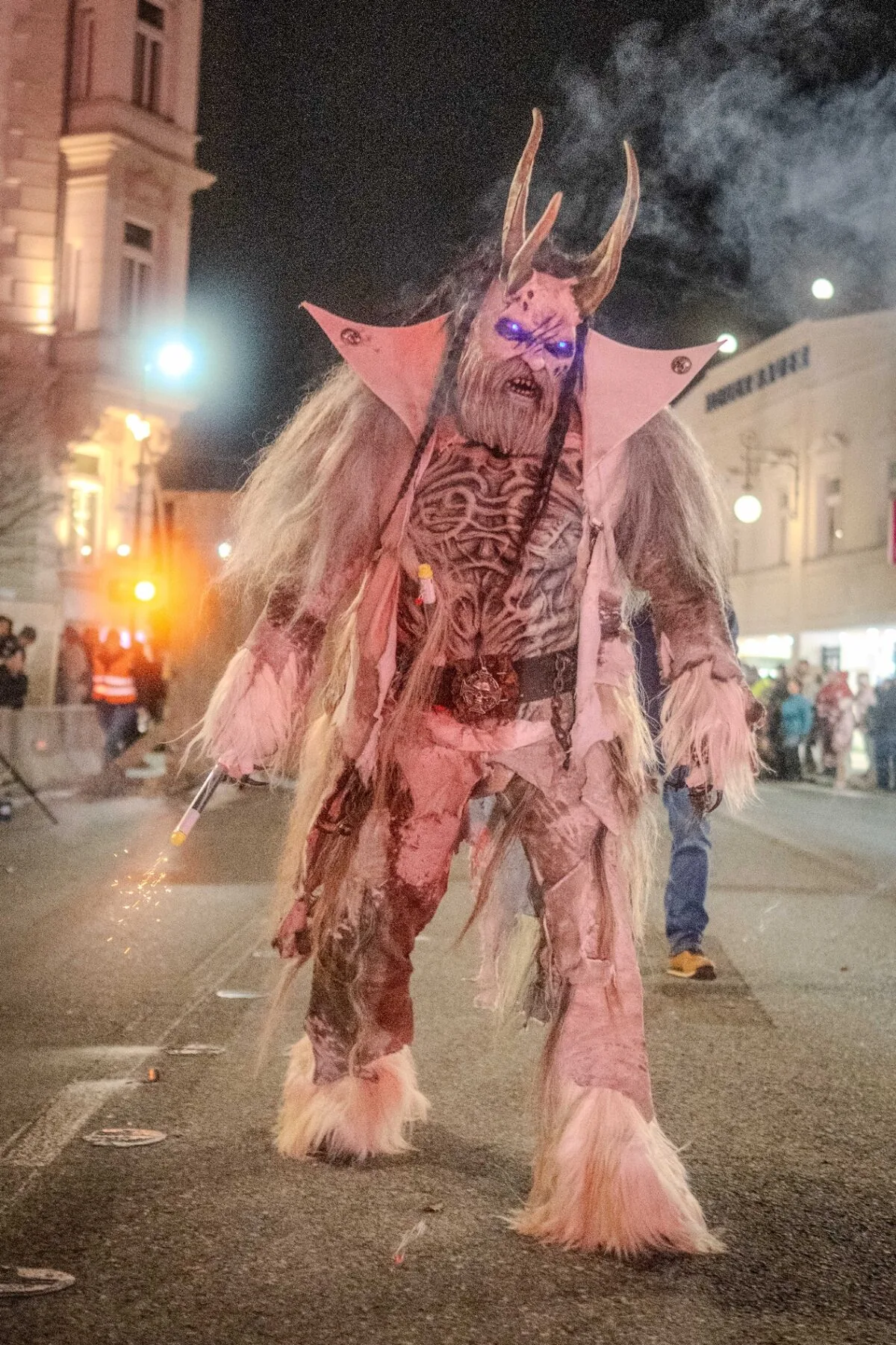
The 2nd Mistelbach Krampus Run was more than an event—it was a living ritual deeply rooted in Alpine folklore. The Krampus, as the dark counterpart to Saint Nicholas, embodies chaos, fear, and moral consequence. Traditionally portrayed as a horned, demonic figure wrapped in fur and chains with heavy bells, the Krampus represents the thin line between order and disorder during the darkest time of the year.
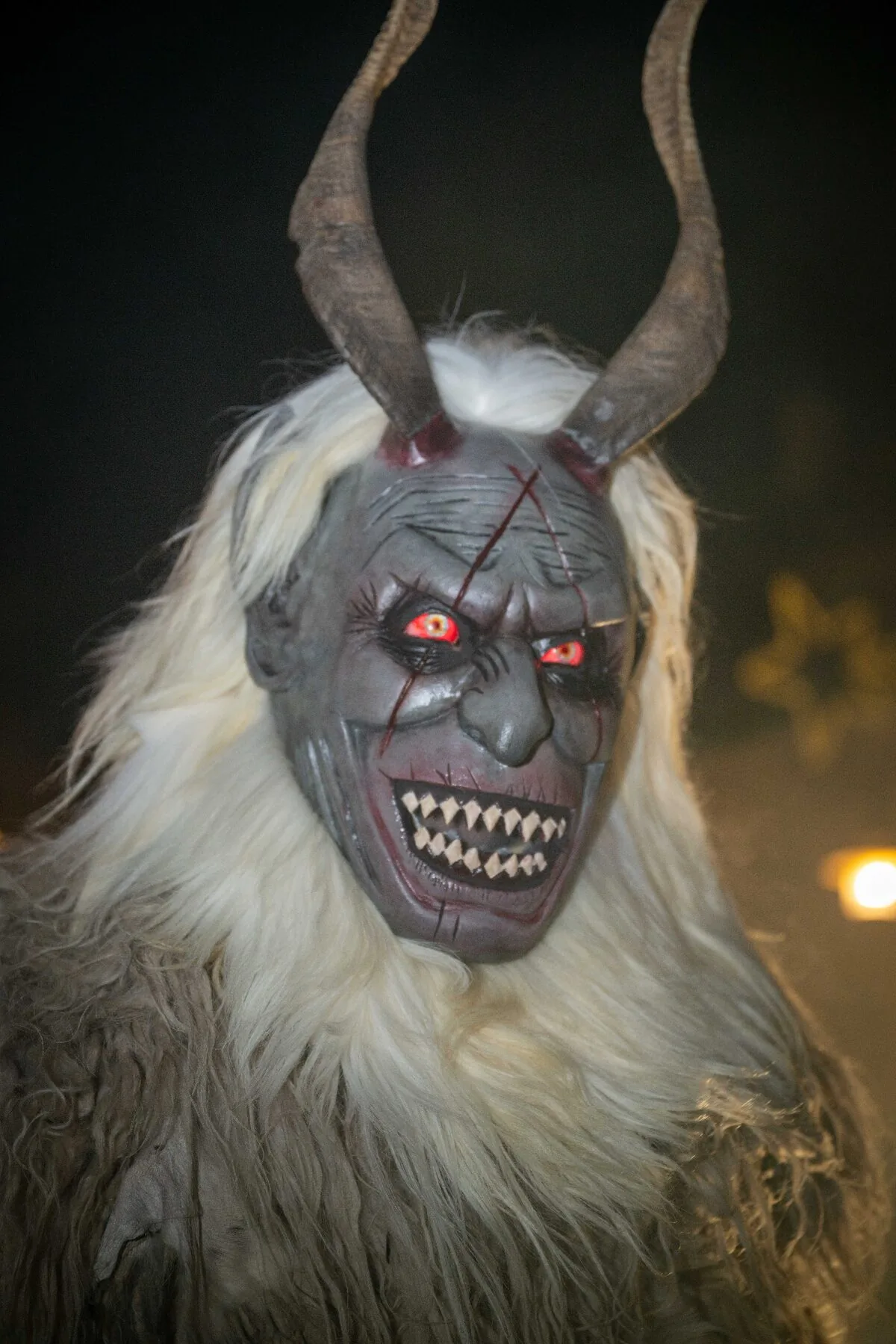
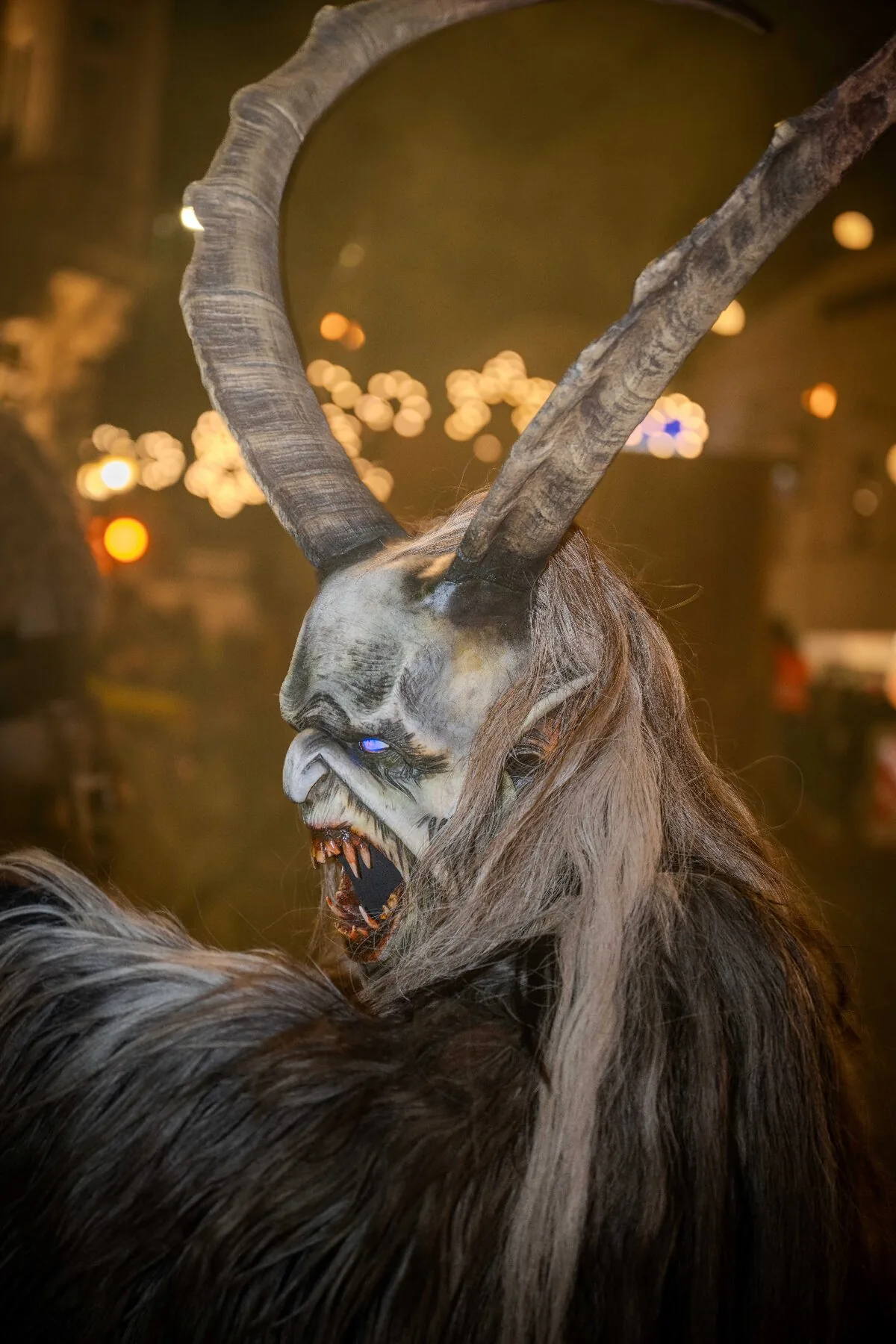
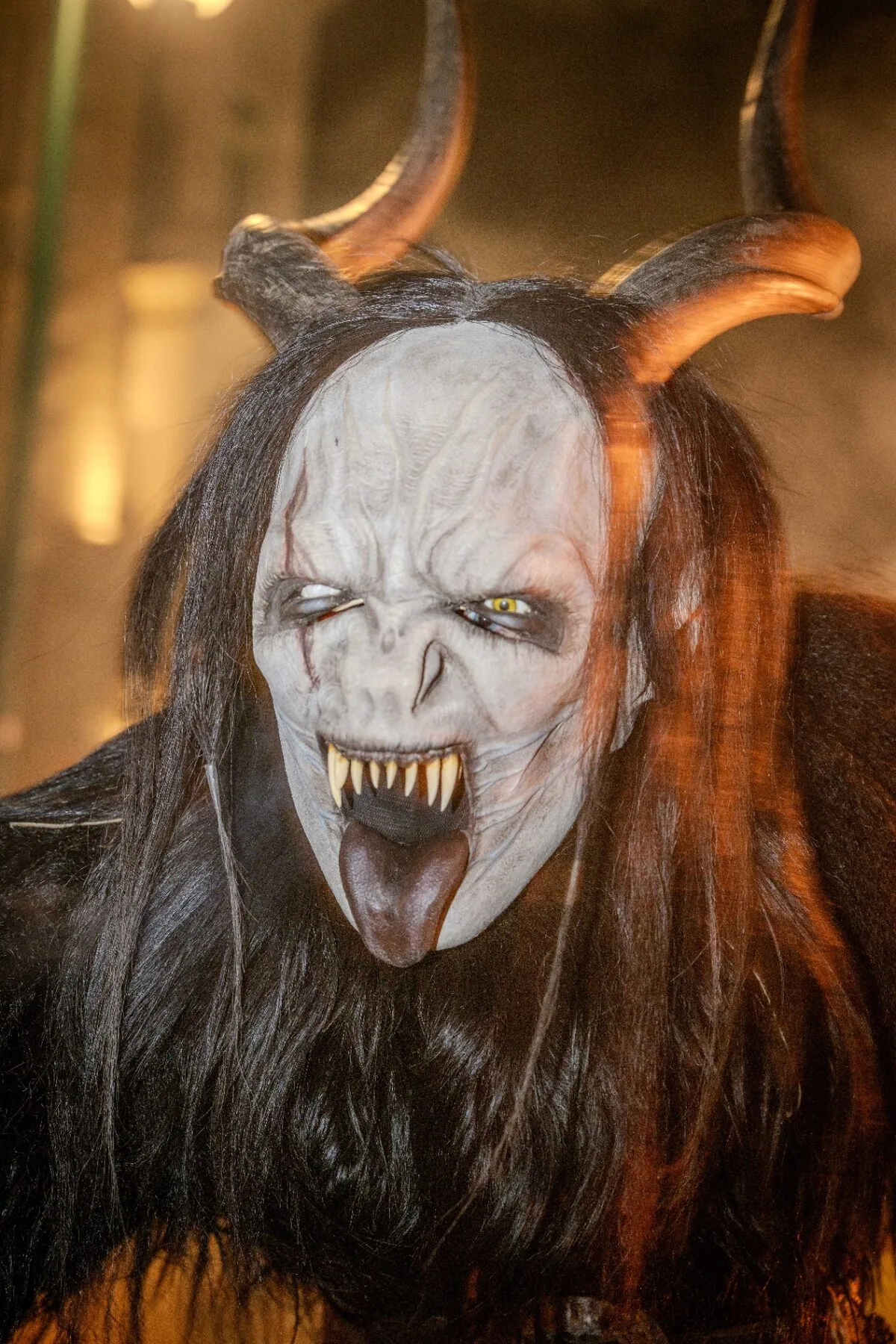
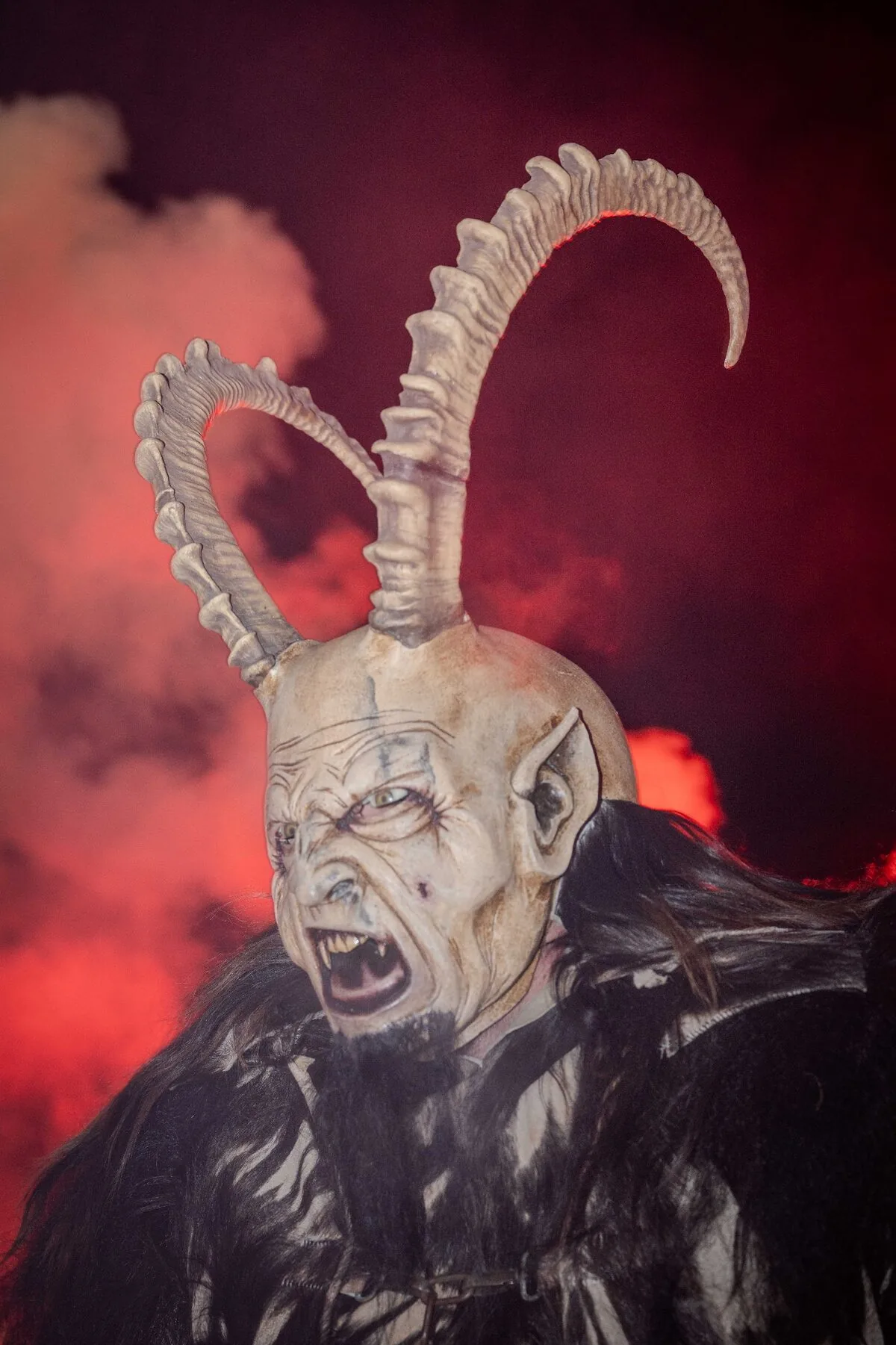
During a Krampus run, groups of performers—often organized in local Krampus passes—take to the streets wearing hand-carved wooden masks, heavy bells, and elaborate costumes made of goat fur and sheepskin. These traditional Krampus masks are works of master craftsmanship, each one unique and often created over months or years by skilled woodcarvers in Austria and Bavaria.
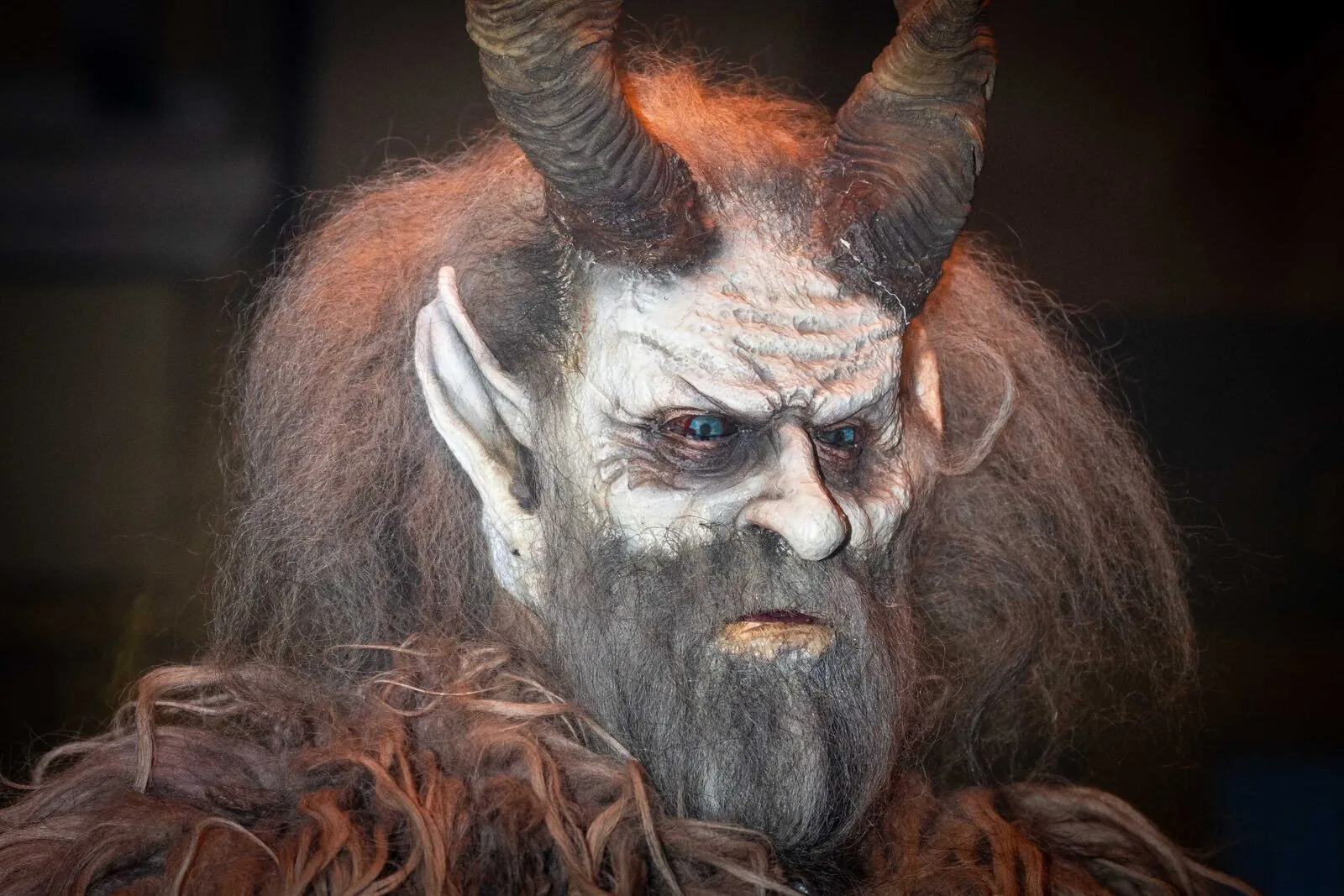
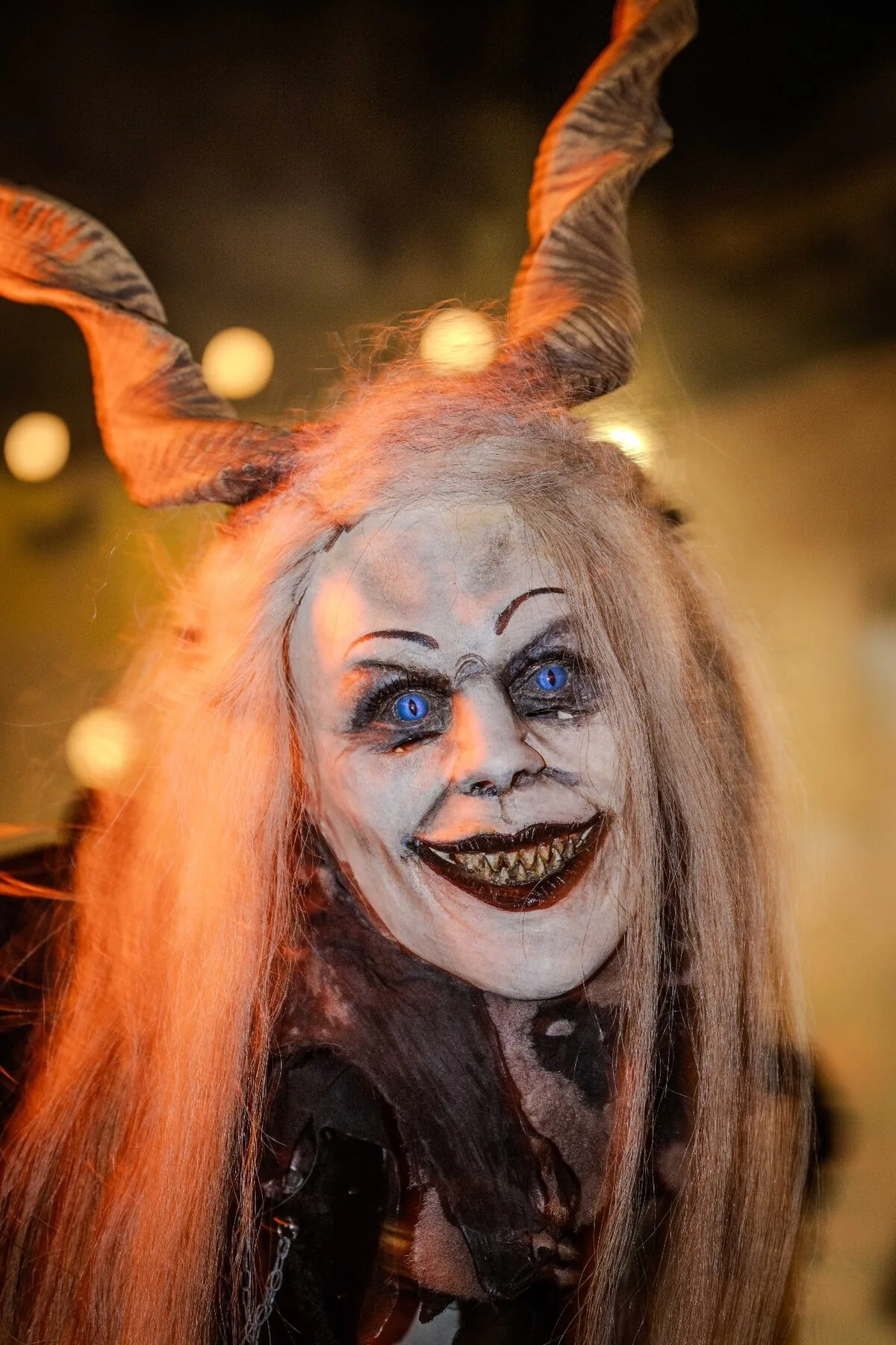
In Mistelbach, Lower Austria, this ancient tradition unfolded with raw intensity. Fire, smoke, and movement merged into a powerful visual language. The Krampus figures did not perform for the audience—they moved through it with intimidating presence. Moments of sudden closeness, eye contact through carved wooden demon masks, and the sheer physical presence created a tension that was both thrilling and authentic.
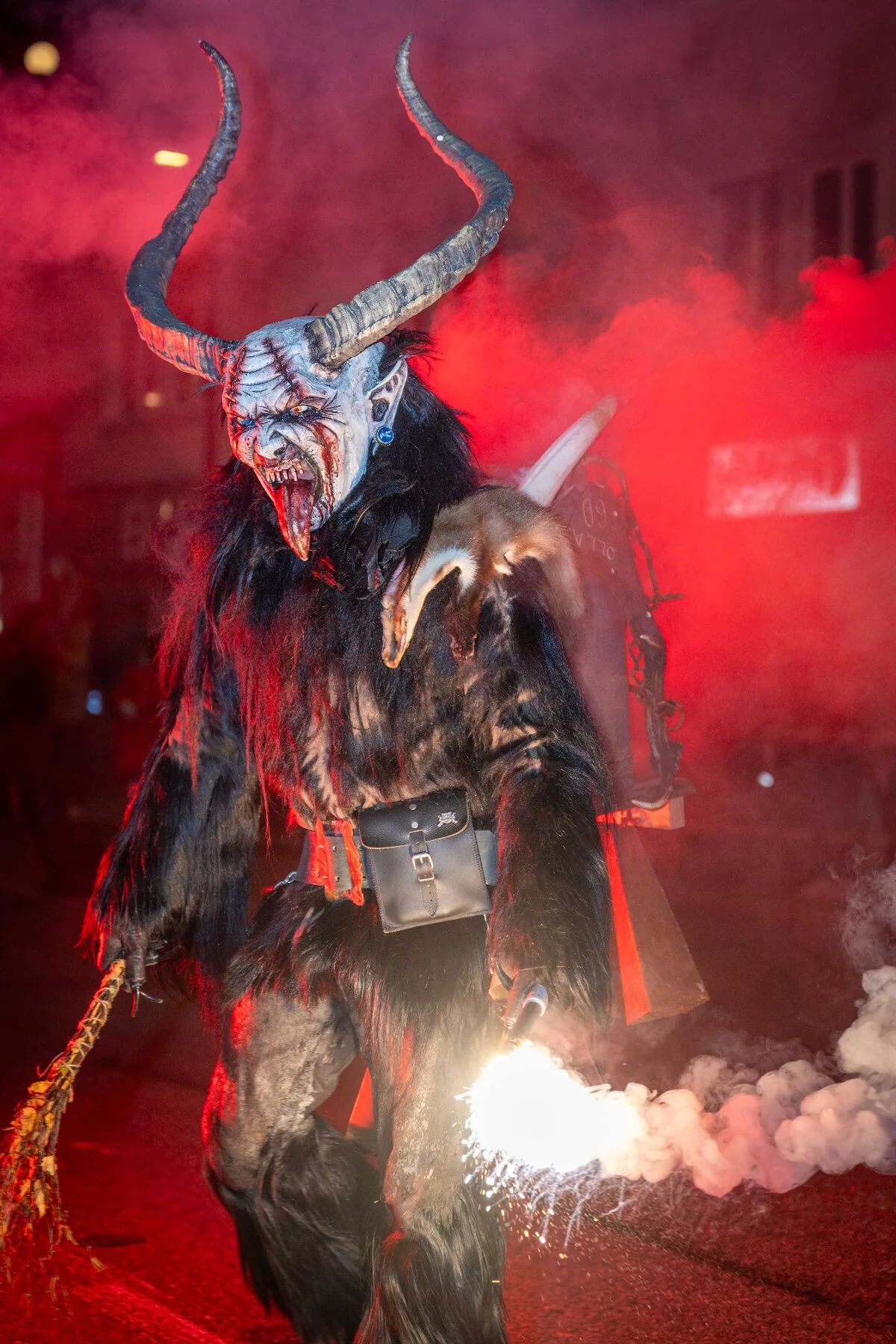
Photographing a Krampus run presents extreme technical challenges: minimal available light, rapid movement, fire as the primary light source, and harsh contrasts. But beyond the technical demands lies a deeper artistic goal—to capture the atmosphere and emotional weight rather than mere action. My focus as a fine art photographer was on portraying character, presence, and the spiritual essence of this centuries-old tradition.
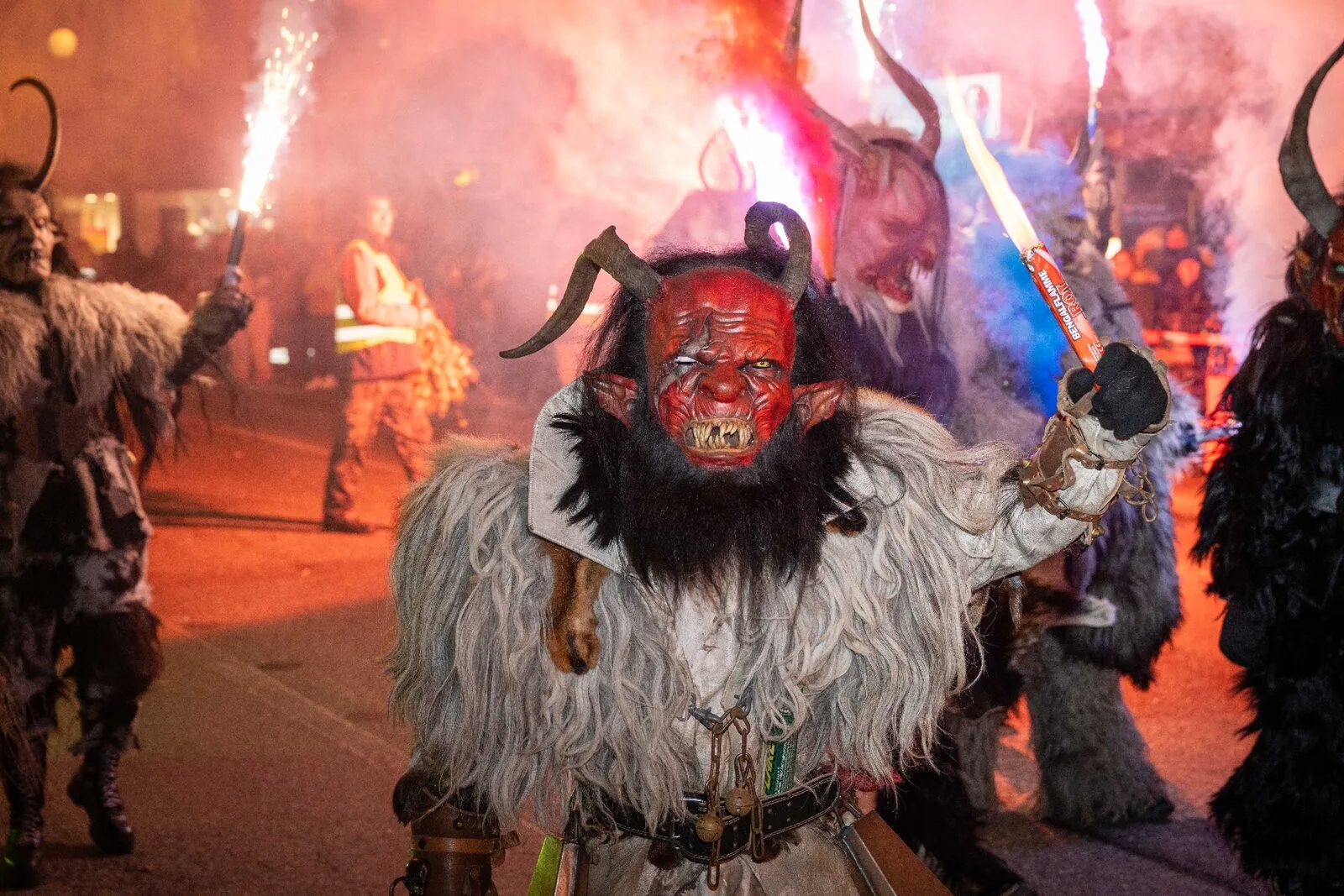
For international viewers unfamiliar with Alpine traditions, a Krampus run may appear theatrical at first glance. In reality, it is deeply cultural—a centuries-old expression of community identity, pre-Christian winter rituals, and the eternal struggle between light and darkness. The Mistelbach Krampus Run remains true to this authentic spirit: unpolished, intense, and rooted in genuine Austrian folklore.
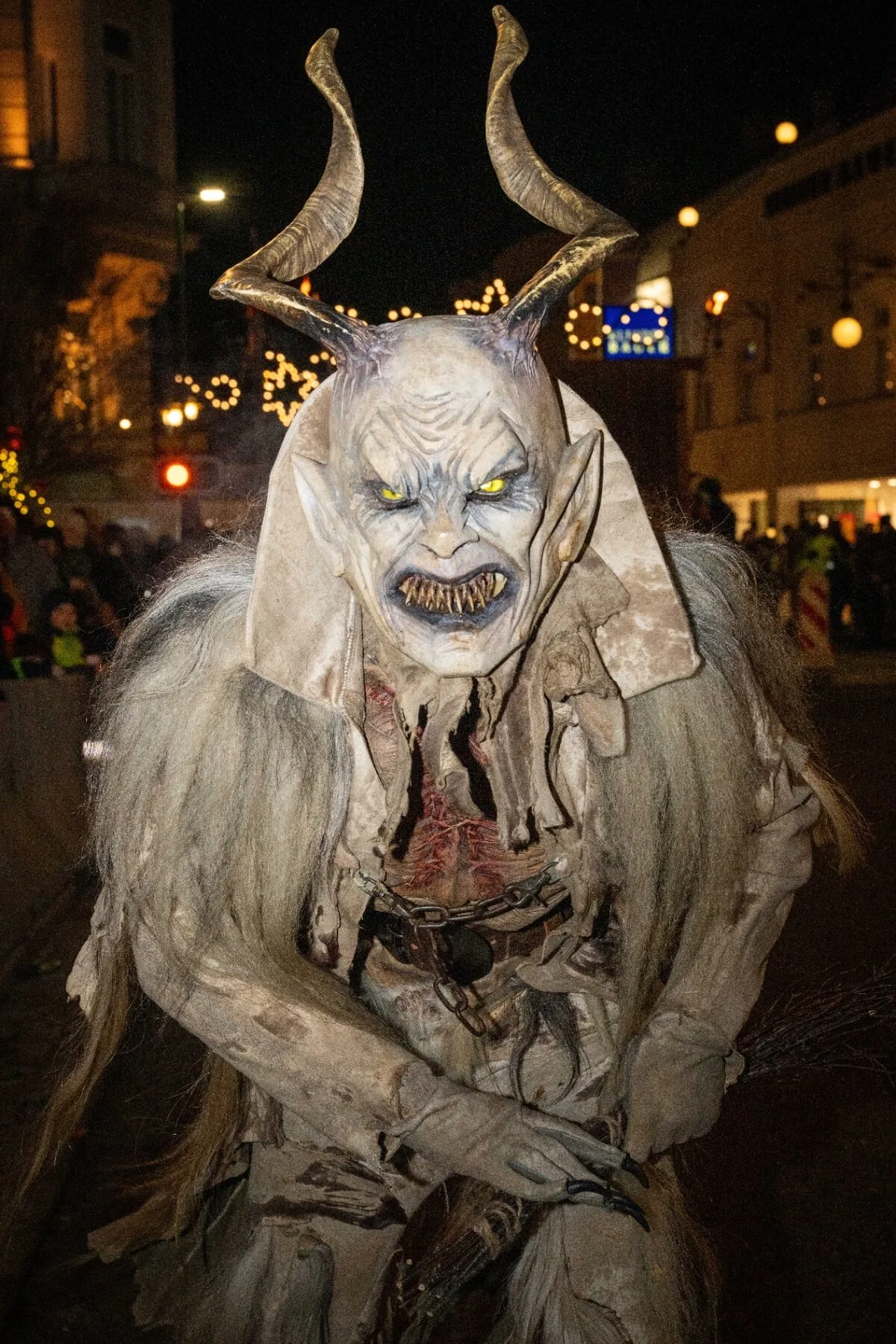
An evening shaped by tradition, shadow, fire, and the haunting sound of bells—preserved not only in memory, but in fine art photography that honors the power and authenticity of Alpine winter folklore.
An evening shaped by tradition, shadow, and the haunting sound of bells—preserved not only in memory, but in images that honor Alpine folklore.